Trump immigration stance blocks Somali referee from World Cup
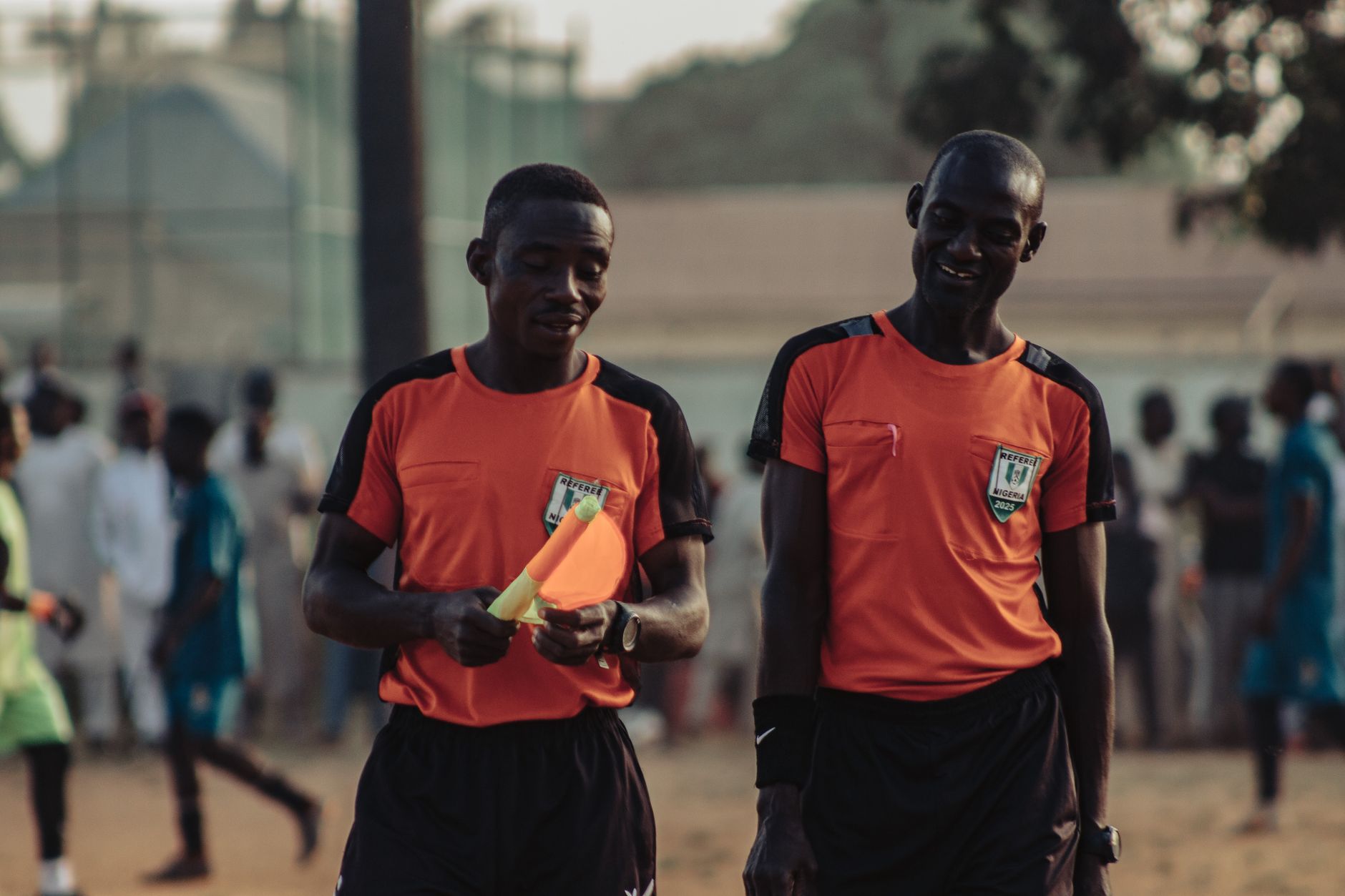
An award-winning Somali referee has been barred from officiating at the upcoming World Cup after being denied entry to the United States, exposing mounting tensions between the Trump administration’s immigration policies and the requirements of hosting international sporting events.
Omar Artan, who was selected to officiate at the tournament, cannot enter the country despite his official FIFA credentials. The decision has sparked concerns about America’s ability to welcome the thousands of foreign participants needed for the competition.
Global Event Meets Hard-Line Policy
The clash represents a fundamental problem for the United States as it prepares to host one of the world’s most-watched sporting spectacles. More than 200 countries typically send teams, officials, and support staff to World Cup tournaments. And that’s before counting the hundreds of thousands of international fans expected to travel.
“We’re seeing the Trump administration’s adherence to hard-line immigration laws clash against the reality of what you need to stage a truly global event,” Alexander Cooley, Claire Tow Professor of Political Science at Barnard College, told FRANCE 24’s Mark Owen.
Artan’s case isn’t isolated. Several other officials from nations on the administration’s restricted travel list have reportedly faced similar barriers, though his is the first high-profile case to emerge publicly.
FIFA Faces Difficult Questions
The situation puts FIFA in an uncomfortable position. The organization has strict protocols requiring neutrality and merit-based selection for match officials. But it can’t force host countries to grant entry to anyone it selects.
So far, FIFA hasn’t issued a public statement on Artan’s exclusion. Behind the scenes, though, sources say the organization is scrambling to find replacement officials while trying to avoid a broader diplomatic incident.
Economic and Diplomatic Stakes
The World Cup typically generates billions in economic activity for host nations. The 2026 tournament, jointly hosted by the United States, Mexico, and Canada, is projected to bring in over $5 billion for the American economy alone. Yet restrictive entry policies could dampen that impact if they discourage international visitors or complicate logistics.
The Artan case has already drawn criticism from human rights organizations and several member nations of FIFA. Some delegations have reportedly begun contingency planning in case additional team members face entry denials.
“This creates uncertainty for everyone involved,” noted one European football federation official who requested anonymity. “You can’t run a World Cup when you don’t know who’ll be allowed in.”
As the tournament approaches, the administration will need to balance its immigration priorities against the practical demands of hosting the planet’s most-watched sporting event. For now, Omar Artan’s whistle won’t be heard on American fields, and that absence might signal bigger challenges ahead.