US, Iran trade strikes after helicopter crash near Hormuz
The United States and Iran exchanged military strikes on Tuesday following the crash of a U.S. Army helicopter near the Strait of Hormuz, sharply escalating tensions in the strategic waterway that handles a third of the world’s seaborne oil trade.
President Donald Trump accused Tehran of downing the helicopter, which crashed with six service members aboard. Iran denied any involvement and promised swift retaliation after U.S. warplanes struck targets on Qeshm Island, a strategic Iranian outpost in the Persian Gulf.
Helicopter Crash Sparks Military Response
The Army UH-60 Black Hawk went down approximately 12 nautical miles from Iran’s coastline during what the Pentagon described as a routine patrol mission. Search and rescue operations recovered all six crew members, with two reported in critical condition.
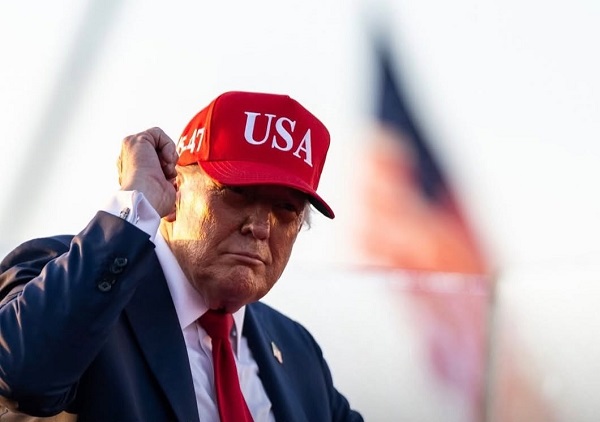
Within hours, Trump posted on social media that Iran was “100% responsible” for the incident. He didn’t provide evidence but said the U.S. would respond “decisively and without hesitation.”
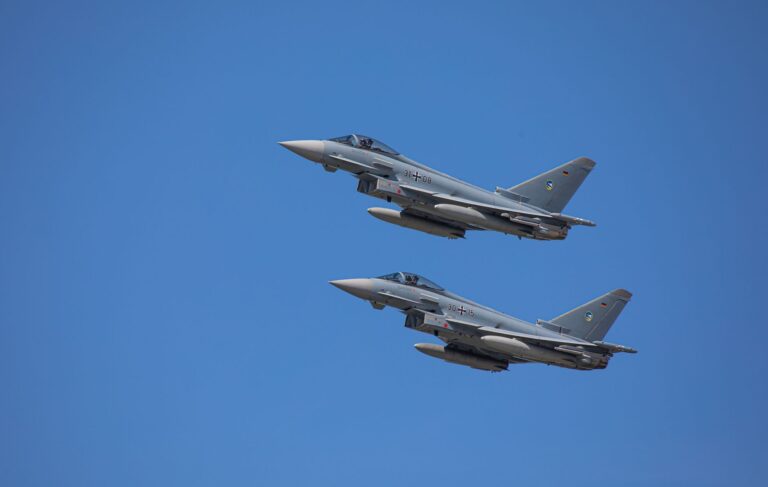
And respond it did. By late Tuesday evening, U.S. fighter jets launched strikes on what military officials called “defensive positions” on Qeshm Island. The strikes targeted radar installations and coastal missile batteries, according to preliminary reports.
Iran Denies Responsibility, Vows Retaliation
Iranian officials rejected Washington’s accusations outright. Foreign Ministry spokesman Nasser Kanaani said the helicopter likely experienced mechanical failure and that Trump was “manufacturing a crisis to justify aggression.”
But the denial didn’t stop there. Iran’s Revolutionary Guard Corps issued a statement saying it would “respond at a time and place of our choosing” to what it called an “unprovoked attack on Iranian soil.”
Iranian state media reported at least four explosions on Qeshm Island, though casualty figures weren’t immediately available. Local residents posted videos on social media showing plumes of smoke rising from military installations.
International Concern Over Strait Security
The Strait of Hormuz has long been a flashpoint. It’s just 21 miles wide at its narrowest point, yet roughly 21 million barrels of oil pass through it daily.
A senior Pentagon official, speaking on condition of anonymity, defended the strikes as a “measured and proportional response to Iranian aggression.” The official wouldn’t say whether the U.S. had definitive proof of Iranian involvement in the helicopter crash.
Oil prices jumped 4% on the news, with Brent crude hitting $89 per barrel. European allies urged both sides to exercise restraint, while Russia called for an emergency UN Security Council meeting.
So where does this leave things? With both nations vowing strength and neither backing down, the risk of further escalation remains high. Military analysts warn that miscalculation in the confined waters of the Gulf could trigger a broader conflict that neither side claims to want but both seem prepared to wage.