Europe’s migration pact ignores climate displacement crisis
The European Union’s newly adopted migration and asylum pact contains a glaring omission that could affect millions: no provisions for people displaced by climate change. Despite projections showing that up to 216 million people could be forced to migrate within their countries by 2050 due to climate impacts, the landmark agreement remains silent on environmental displacement.
A Growing Crisis Without Legal Recognition
The pact, finalized after years of contentious negotiations among EU member states, establishes new rules for processing asylum seekers and distributing them across the bloc. But it doesn’t recognize climate change as grounds for protection. That’s a problem when floods, droughts, and rising sea levels are already pushing people from their homes in record numbers.
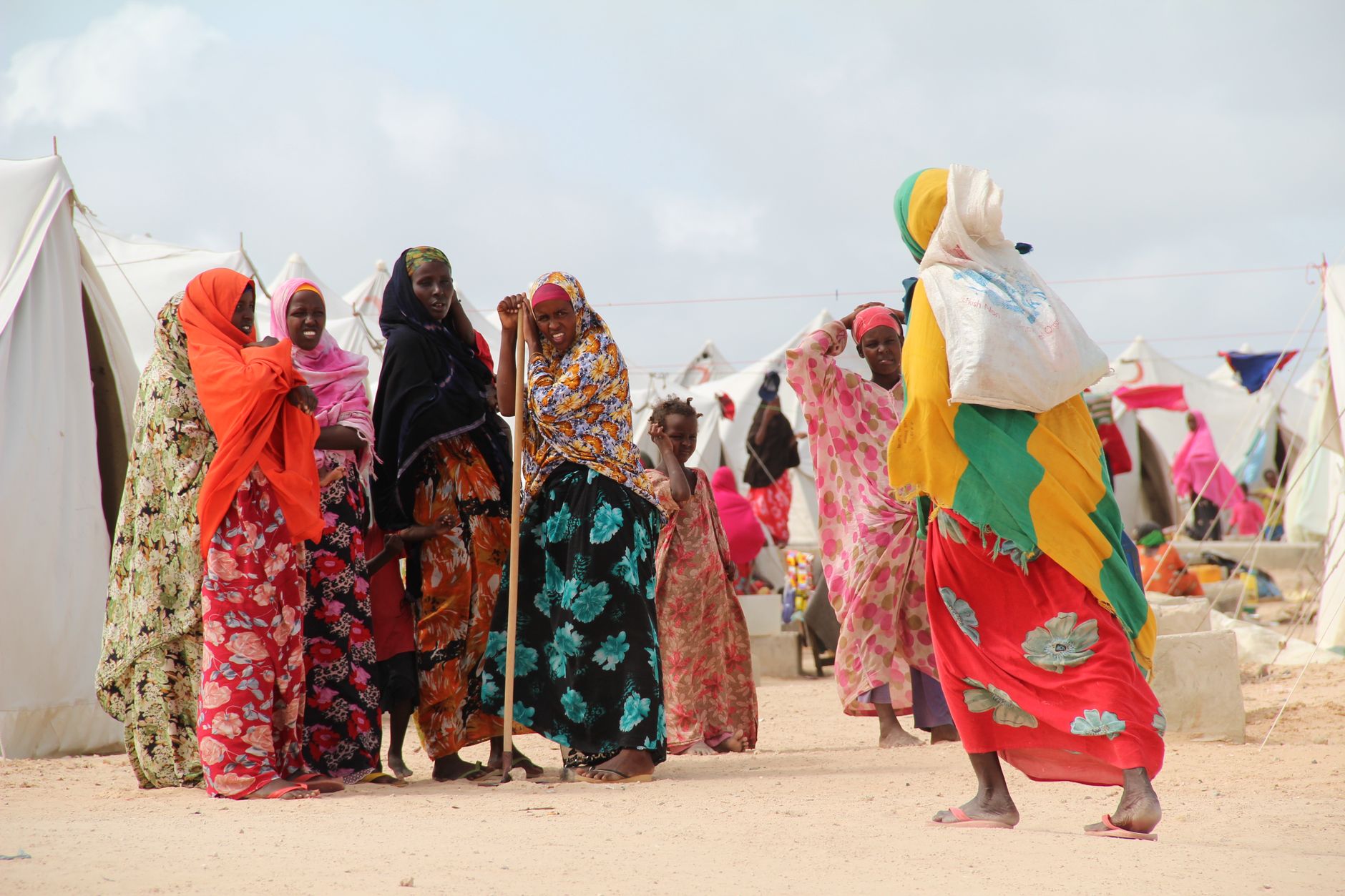
Last year alone, weather-related disasters displaced 32.6 million people worldwide, according to the Internal Displacement Monitoring Centre. Yet these climate migrants don’t fit into existing refugee categories under international law, which only covers those fleeing persecution, war, or violence.
Political Calculations Override Scientific Warnings
The omission wasn’t accidental. EU policymakers deliberately avoided including climate provisions, fearing it would complicate already fraught negotiations and potentially open the door to larger migration flows. Some member states argued that creating new legal pathways for climate migrants would be politically untenable given rising anti-immigration sentiment across Europe.
“We cannot ignore the intersection between climate change and human mobility,” a European Commission official said during closed-door discussions. “But the political reality made it impossible to include these provisions in the current framework.”
The Human Cost of Inaction
So what happens to people fleeing uninhabitable regions? They’re left in limbo. Without legal status, climate-displaced people often resort to irregular migration routes, making dangerous journeys and falling prey to smugglers. Or they simply stay put in increasingly unlivable conditions.
The World Bank estimates that Sub-Saharan Africa, South Asia, and Latin America will see the most climate-driven internal migration, with crop failures and water scarcity as primary drivers. Many of these internally displaced people will eventually seek refuge across international borders—including Europe’s.
A Reckoning Ahead
Critics argue that Europe’s failure to address climate migration now will only make the situation more chaotic later. The bloc’s southern borders already see significant irregular arrivals, a number likely to grow as climate impacts intensify in Africa and the Middle East.
Without proactive policies that acknowledge climate displacement, Europe may find itself facing exactly what it tried to avoid: unmanaged migration on a massive scale. And unlike traditional refugee flows, climate displacement won’t end when a conflict resolves. It’s permanent.