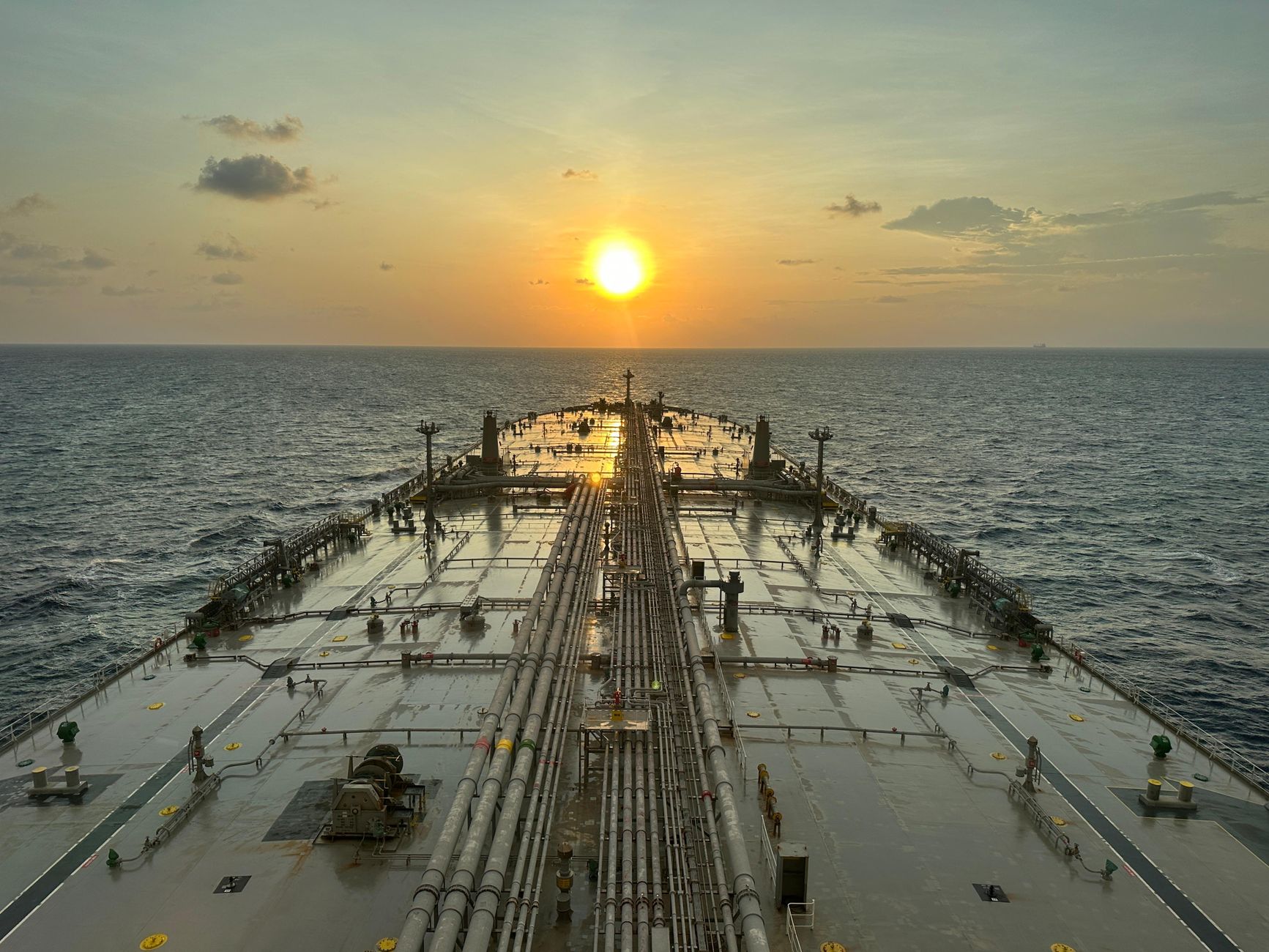
EU freezes Russia oil price cap in new sanctions package
The European Union announced Monday it will freeze the existing price cap on Russian oil at current levels, backing away from earlier discussions to lower the threshold as part of its latest sanctions package against Moscow.
Cap Remains at $60 Per Barrel
The decision means the oil price cap will stay at $60 per barrel for Russian crude and $100 per barrel for refined petroleum products. EU officials had previously debated whether to reduce these ceilings to further squeeze Russia’s war finances, but ultimately chose to maintain the status quo.
And that’s not for lack of trying. Several member states pushed hard for a lower cap throughout weeks of negotiations. Yet concerns about global energy markets and potential blowback on European consumers won out in the end.
The price cap mechanism, introduced in December 2022, prohibits EU companies from providing shipping, insurance, and financial services for Russian oil sold above the set threshold. It’s designed to limit Moscow’s revenues while keeping Russian oil flowing to global markets. But critics have long argued the cap is set too high to meaningfully impact Russia’s ability to fund its war in Ukraine.
Part of Broader Sanctions Push
The oil cap freeze is just one element of the EU’s 16th sanctions package, which also targets additional Russian companies and individuals. The package aims to close loopholes that have allowed Moscow to circumvent existing restrictions through third countries and shell companies.
So far, the bloc has sanctioned over 2,000 individuals and entities since February 2022. Still, Russia’s oil revenues have proven remarkably resilient, partly due to its success in building what officials call a “shadow fleet” of aging tankers that operate outside Western insurance and financing systems.
Enforcement Challenges Mount
“We remain committed to ensuring these measures have maximum impact on Russia’s war machine while protecting our own economies,” a senior EU diplomat said during a briefing in Brussels. The official spoke on condition of anonymity because formal announcements hadn’t yet been made.
But enforcement remains a persistent headache. Russia has increasingly relied on buyers in India and China who aren’t bound by Western sanctions. These countries have dramatically increased their purchases of Russian crude, often at prices that exceed the cap.
The EU’s decision to freeze rather than lower the price cap reflects the delicate balance Brussels must strike. Member states want to punish Moscow without triggering energy shortages or price spikes that could further strain European households already grappling with inflation.
Looking ahead, EU officials say they’ll continue monitoring the cap’s effectiveness and could revisit the thresholds if market conditions change. For now, though, the message is clear: the current approach stays put.