2026 World Cup kicks off today across three nations
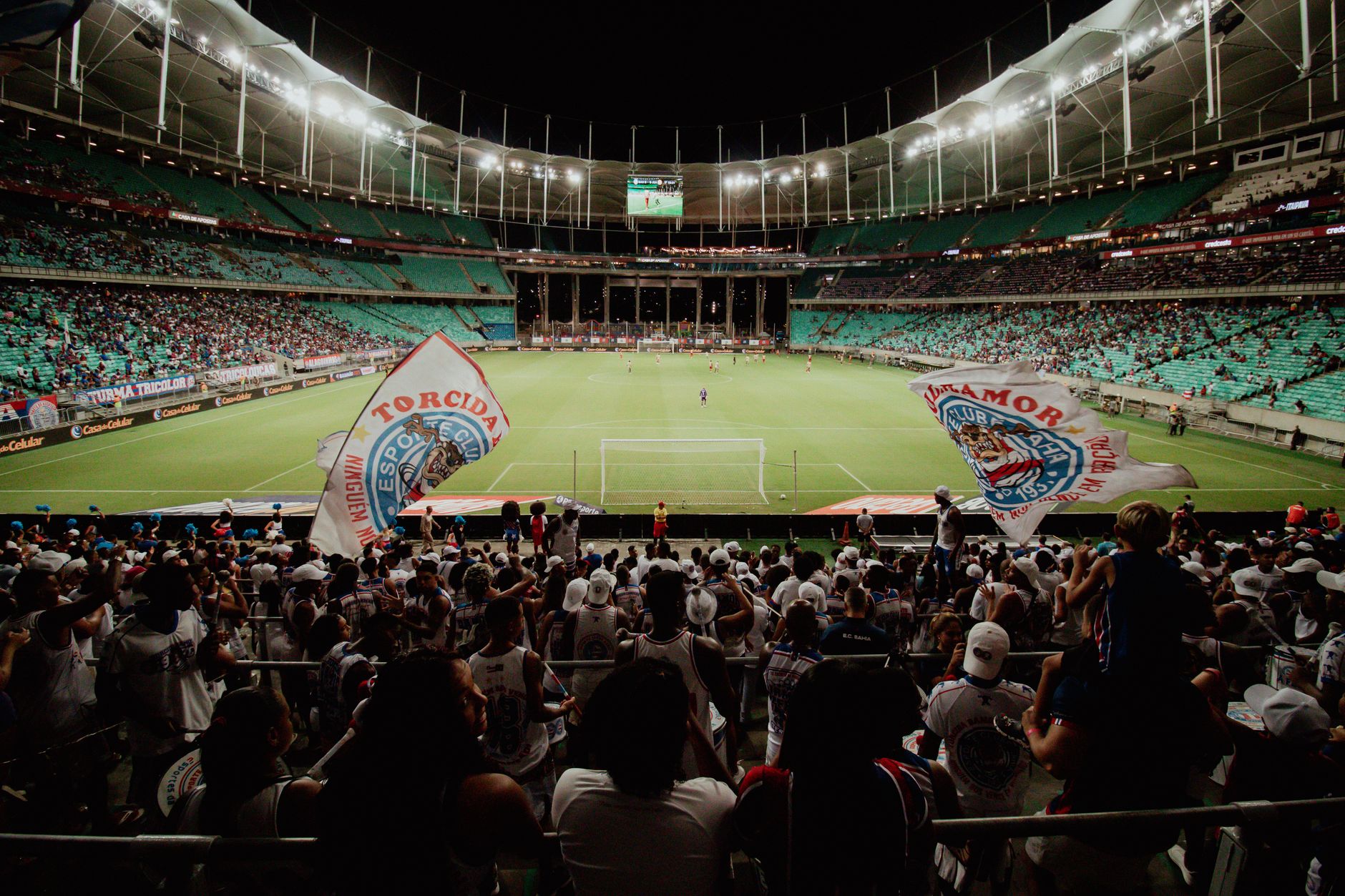
The 2026 World Cup kicks off today in a groundbreaking format that’s never been seen before, with 48 teams competing across the United States, Canada, and Mexico in what FIFA is calling the biggest sporting event in history.
It’s a massive leap from the 32-team format that’s been standard since 1998. The tournament will feature 104 matches played in 16 host cities, with the final scheduled for July 19 at MetLife Stadium in New Jersey.
Three Countries, One Massive Tournament
For the first time ever, three nations are sharing World Cup hosting duties. The US will host 78 matches, including all knockout rounds from the quarterfinals onward. Mexico gets 13 matches, while Canada will host 13 as well. Cities from Vancouver to Miami are ready to welcome what could be the most-watched sporting event of all time.
But the logistics are staggering. Teams will travel thousands of miles between matches, with some groups facing journeys from Seattle to Mexico City. FIFA insists careful scheduling will minimize the impact on players.
Record-Breaking Viewership Expected
The numbers from Qatar were already astronomical. According to FIFA, 2.9 billion people worldwide watched the 2022 World Cup on linear TV, with 2.7 billion also streaming the tournament. That’s more than a third of the planet’s population.
This year? Those figures could explode.
With 16 additional teams and prime viewing times across American time zones, broadcasters are projecting viewership could reach 3.5 billion people. The expanded format means more nations represented, more matches, and more commercial breaks than ever before.
New Format, New Challenges
The 48 teams are divided into 12 groups of four, with the top two from each group advancing alongside the eight best third-place finishers. That’s 32 teams in the knockout stage, compared to just 16 previously.
Critics argue the format dilutes quality. Supporters say it gives emerging football nations their moment on the world stage.
“This World Cup represents a new era for global football,” said a FIFA spokesperson yesterday. “We’re bringing the world’s game to more fans, in more places, than ever before.”
So whether you’re watching from a packed stadium in Los Angeles or streaming on your phone in Lagos, the next 39 days promise drama, surprises, and maybe even some great football. The 2026 World Cup won’t just break records—it might just rewrite what a World Cup can be.