Refugee Numbers Drop for First Time in Decade, UN Reports
The number of forcibly displaced people worldwide has fallen for the first time in ten years, the United Nations refugee agency announced Thursday, marking a tentative shift in a crisis that’s affected tens of millions. Yet despite this decline, more than 120 million people remain uprooted from their homes, trapped in what aid workers describe as prolonged exile with vanishing hopes of return.
The UN High Commissioner for Refugees (UNHCR) reported that global forced displacement decreased by approximately 1.2 million people in 2024, dropping from the record high of 122.6 million recorded at the end of 2023. The reduction comes primarily from improved conditions in several conflict zones and some refugee returns, though agency officials cautioned against premature optimism.
A Glimmer of Hope Amid Persistent Crisis
The decline, while modest, breaks a relentless upward trend that’s defined the past decade. Syria’s civil war, violence in Myanmar, conflicts across Africa’s Sahel region, and Venezuela’s economic collapse had pushed displacement figures to unprecedented levels year after year. But recent peace efforts in some regions and voluntary returns to countries like Sudan and Afghanistan contributed to the reversal.
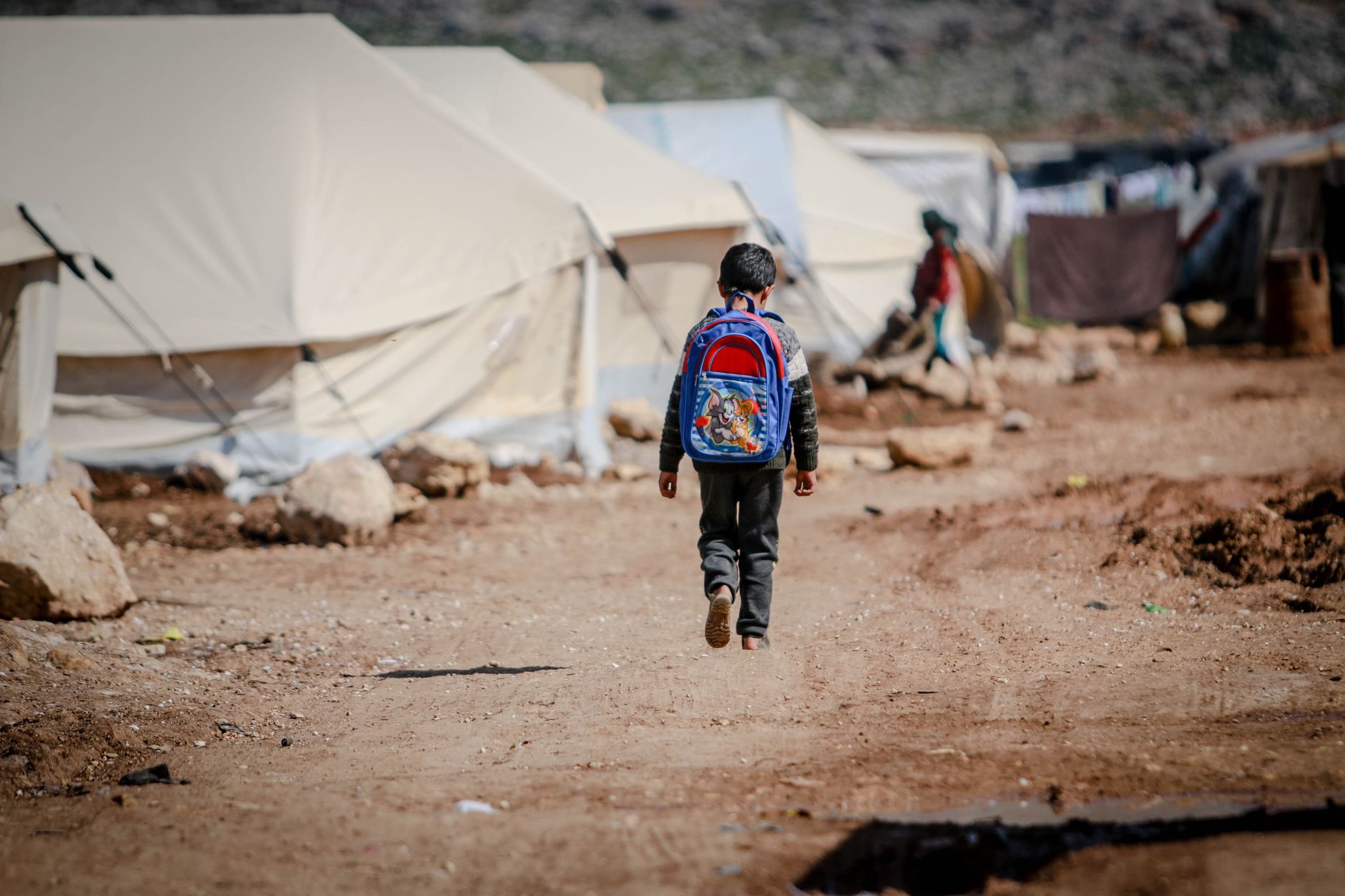
Still, the overall picture remains dire. The current number of displaced people is roughly equivalent to the entire population of Japan being forced from their homes. Most refugees languish in neighboring countries, often in overcrowded camps with limited access to education, healthcare, or employment.
Millions Stuck in Limbo
“While any decrease is welcome news, we cannot lose sight of the staggering human cost behind these numbers,” a UNHCR spokesperson said in the report. “Millions of families are spending years, sometimes decades, in exile with no clear path home and no chance to rebuild their lives.”
The agency found that protracted displacement situations—those lasting five years or more—now account for nearly three-quarters of all refugee cases. Countries like Turkey, Pakistan, and Uganda continue hosting millions of refugees, straining local resources and testing international support systems that weren’t designed for such prolonged crises.
Uncertain Future Ahead
New conflicts could easily reverse the downward trend. Ongoing violence in Gaza, Sudan’s civil war, and instability in Haiti threaten to generate fresh waves of displacement in 2025. Climate change adds another layer of complexity, with droughts, floods, and extreme weather events forcing millions from their homes, though these people don’t always qualify for refugee status under current international law.
And funding for humanitarian operations continues to fall short. The UNHCR’s latest appeal remains only 43% funded, leaving critical gaps in shelter, food assistance, and protection services.
For now, the first decline in a decade offers a moment to reassess strategies. But aid agencies warn that without sustained peace efforts and increased international commitment, millions will remain trapped in indefinite exile.