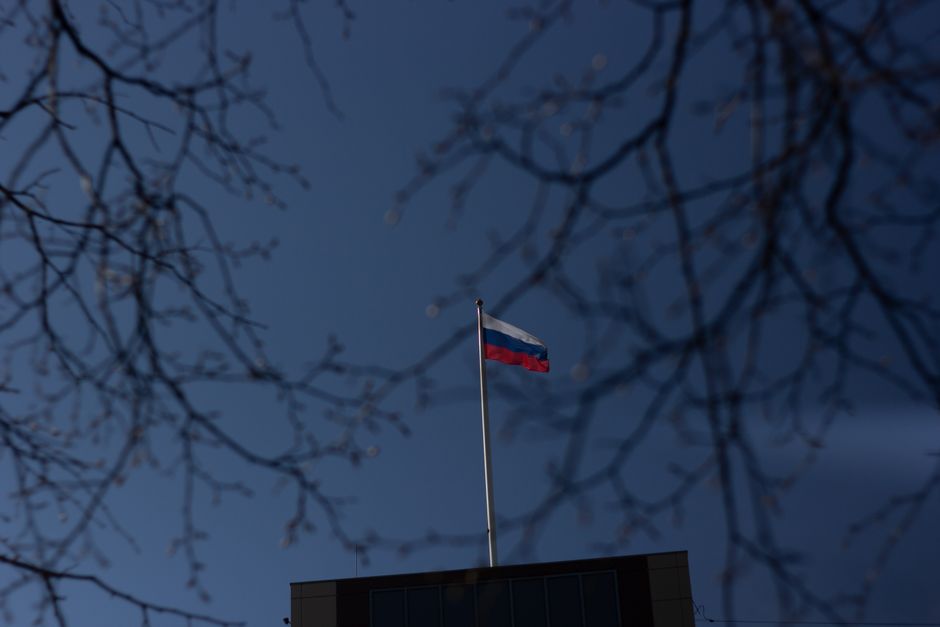
Putin hosts ASEAN leaders in Russia amid G7’s Ukraine pledge
Vladimir Putin welcomed leaders from Southeast Asia to Russia on Thursday, projecting an image of diplomatic normalcy even as G7 nations gathered thousands of miles away to promise unwavering support for Ukraine in the face of Russia’s ongoing invasion.
The timing wasn’t accidental. With the summit of the world’s wealthiest democracies wrapping up in Italy, Putin used the ASEAN gathering in Sochi to demonstrate that Russia isn’t internationally isolated — at least not everywhere.
Dueling diplomatic stages
The contrast was stark. In Fasano, Italy, Ukrainian President Volodymyr Zelenskyy sat alongside leaders from the United States, United Kingdom, Germany, France, Japan, Canada, and Italy. In Sochi, Putin hosted representatives from a bloc of 10 nations representing roughly 670 million people, including key economic partners like Vietnam, Thailand, and Indonesia.
Zelenskyy said Wednesday that G7 leaders had reached agreement on the “additional strengthening of Ukraine’s air defense” and outlined new measures targeting Moscow’s financial networks. A senior European official described the package as “one of the most consequential since the war began.”
But Putin wasn’t sitting still for it.
Russia’s eastward pivot on display
The Sochi meetings reinforced what Moscow has been building for two years — a network of relationships designed to soften the blow of Western sanctions and keep trade flowing. Russia’s bilateral trade with ASEAN countries reached approximately $24 billion in 2023, up from previous years despite Western pressure on regional governments to limit economic ties with Moscow.
Most ASEAN members have carefully avoided taking sides in the Ukraine conflict, abstaining on key United Nations votes rather than directly condemning the invasion. That ambiguity suits Russia just fine.
Still, it’s not a clean diplomatic win for the Kremlin. Several ASEAN nations have quietly expressed concern about what an emboldened Russia might mean for global stability, and none have formally recognized Russia’s annexation of Ukrainian territories.
Ukraine secures new commitments
Back in Italy, the practical outcomes were significant. G7 leaders finalized a framework to use approximately $50 billion in loans backed by frozen Russian sovereign assets — roughly $300 billion total — to fund Ukraine’s defense and reconstruction needs. The arrangement doesn’t touch the assets themselves but leverages the interest they generate.
Zelenskyy called it a historic step. He’s right that it’s creative financial engineering. Whether it changes conditions on the battlefield is another question entirely.
Ukraine has been pressing for faster delivery of air defense systems after a devastating Russian missile strike on a children’s hospital in Kyiv earlier this month killed at least 41 people.
What comes next
The competing summits reflect a deeper fracture in global politics that won’t be resolved at any single meeting. Russia is betting that time and economic fatigue will erode Western unity. The G7 is betting the opposite.
With U.S. presidential elections looming in November and European defense budgets still lagging behind commitments, both sides have strong reasons to keep the pressure on. The next few months will test which bet is the smarter one.