Slavery reparations demand takes center stage at Ghana summit
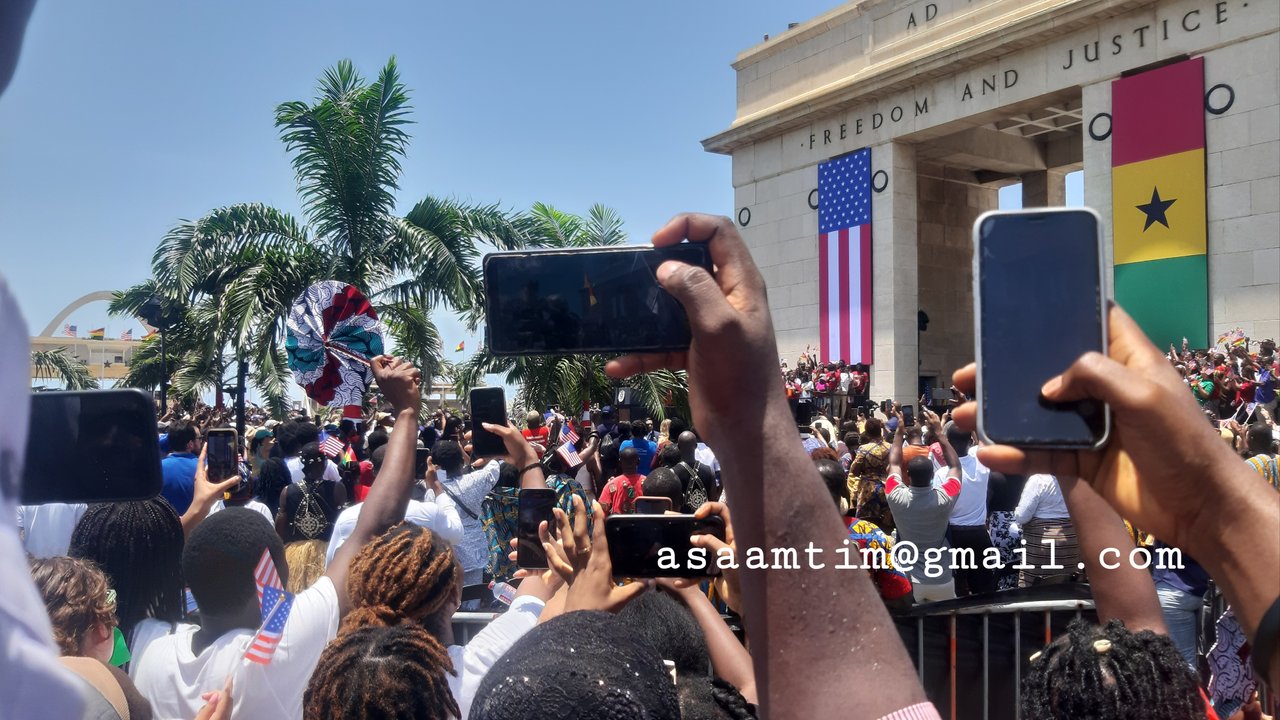
African and Caribbean leaders gathered in Accra on Monday for what organisers are calling the most significant conference on slavery reparations in a generation, with Ghana positioning itself as the moral and political engine behind a global push for concrete, measurable compensation for the transatlantic slave trade.
A summit with teeth
More than 50 delegations attended the two-day forum, which opened at the Kempinski Hotel Gold Coast City. But this wasn’t the usual cycle of speeches and symbolic gestures. Delegates arrived with draft frameworks, legal arguments and — for the first time — specific dollar figures on the table. One proposal circulated among Caribbean Community delegates calls for a baseline reparations fund of $10 billion, to be contributed by former colonial powers in Europe and managed through a new multilateral body.
Ghana’s government has been lobbying hard for this moment. President John Mahama, who addressed the opening session, framed reparations not as charity but as a legal and moral debt long overdue. “We are not asking for pity,” one senior government official told reporters on the sidelines. “We are asking for accountability.”
Why Ghana, why now
The choice of Accra is deliberate. Ghana has spent years cultivating its identity as the spiritual homeland of the African diaspora, a role it leaned into heavily with the 2019 “Year of Return” campaign that drew tens of thousands of diaspora visitors and generated an estimated $1.9 billion in tourism revenue. So the country carries both symbolic weight and political credibility on this issue.
The Caribbean nations, particularly Barbados and Jamaica, have been the loudest voices in recent years. But African governments have sometimes lagged behind. This summit is meant to change that dynamic, aligning the continent formally behind the Caribbean-led CARICOM reparations initiative that has been pushing European governments since 2013.
Resistance from former colonial powers
Yet the road ahead is steep. Britain, France and the Netherlands have all declined formal invitations to participate, and none of the major European governments have publicly committed to reparations discussions. The UK government’s official position remains that slavery, while a historic wrong, does not create a legal liability for modern states.
Still, the political ground is shifting. Several European cities and institutions have quietly begun local reparations discussions, and the United Nations Human Rights Council passed a resolution in 2021 calling for an independent expert mechanism to examine the issue.
What comes next
The conference is expected to produce a joint declaration by Tuesday afternoon, along with a roadmap for lobbying the UN General Assembly ahead of its September session. Organisers want a formal UN working group established by the end of 2025.
It won’t happen overnight. Reparations debates have stalled before, bogged down in legal complexity and political resistance. But the tone in Accra this week is different — more urgent, more specific, and a lot less patient.