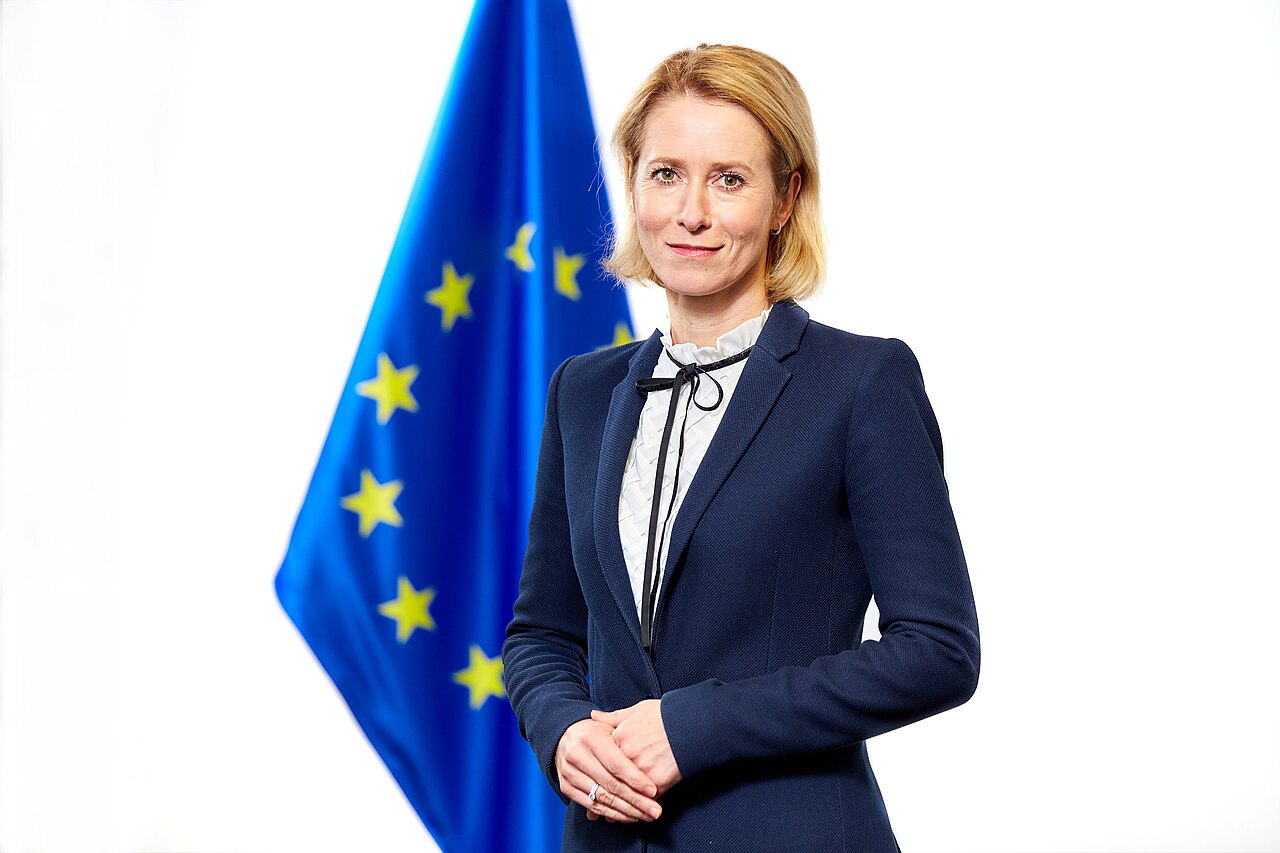
Israel cuts all contact with EU’s Kaja Kallas over apartheid remarks
Israel has severed all diplomatic contact with European Union foreign policy chief Kaja Kallas after she used the word “apartheid” to describe Israeli policies toward Palestinians — a term Jerusalem considers deeply offensive and politically motivated.
The Israeli foreign ministry confirmed the decision this week, with officials describing Kallas’s comments as crossing a clear red line. It’s a significant escalation in tensions between Israel and the EU’s top diplomat, who took office in late 2024.
What Kallas actually said
Kallas made the remarks during discussions about conditions in Gaza and the occupied West Bank, drawing comparisons to apartheid-era governance structures. She didn’t walk the comments back. Israeli officials reacted swiftly, calling the characterization “libellous” and “divorced from reality.”
The Israeli foreign ministry said it would not engage with Kallas in any official capacity until she retracts the statement. That includes bilateral meetings, phone calls, and formal correspondence.
“We will not sit across the table from someone who uses such language,” a senior Israeli official said. “This is not diplomacy — it’s a smear campaign dressed up as one.”
A deepening rift with Europe
The fallout comes at an already tense moment. Relations between Israel and several EU member states have deteriorated sharply since October 7, 2023, and the subsequent Israeli military campaign in Gaza, which Palestinian health authorities say has killed more than 45,000 people. The EU has grown increasingly vocal in its criticism, pushing for ceasefires and humanitarian access.
But Israel has bristled at what it sees as double standards from European governments. And the apartheid label, specifically, touches a nerve. It carries enormous legal and historical weight — invoking the International Criminal Court’s jurisdiction and potentially framing Israeli policies as crimes against humanity under international law.
Kallas, the former Estonian prime minister, has positioned herself as a more assertive voice on human rights within EU foreign policy than some of her predecessors. That’s won her supporters in certain European capitals and critics in others.
The EU’s response
Brussels hasn’t issued a full statement distancing itself from Kallas’s remarks as of Thursday. That silence speaks volumes. The European Commission tends to close ranks around its foreign policy chief in situations like this, especially when the controversy stems from a position widely held across EU institutions.
Still, some member states — particularly Germany, Austria, and Hungary — have historically been more cautious about language that could strain ties with Israel. Whether internal pressure builds on Kallas to soften her stance remains to be seen.
What happens next
The immediate practical impact of Israel cutting contact with Kallas is limited — EU-Israel relations involve multiple channels and dozens of officials. But symbolically, it matters. It sends a message to European diplomats about where Israel’s boundaries are.
Kallas shows no signs of backing down. And with the war in Gaza still grinding on and ICC arrest warrants already issued against Israeli Prime Minister Benjamin Netanyahu, this diplomatic standoff is unlikely to be the last.