Strait of Hormuz remains open, Tehran insists after confusion
The Strait of Hormuz is open for business — at least for now. Tehran moved to calm nerves in global shipping markets on Tuesday after a wave of conflicting signals left tanker operators and commodity traders scrambling for clarity on one of the world’s most critical maritime chokepoints.
What Tehran actually said
Iranian officials confirmed that vessels wishing to pass through the strait must submit what the Persian Gulf Strait Authority is calling “compliant transit requests.” The authority didn’t release a full list of what that compliance entails, but early guidance pointed to documentation requirements covering cargo manifests, vessel registration, and flag-state declarations. Ships that meet those conditions, Tehran says, won’t be turned back.
“The strait is open to all vessels that follow established international protocols,” a spokesperson for the authority said in a statement released Tuesday afternoon local time.
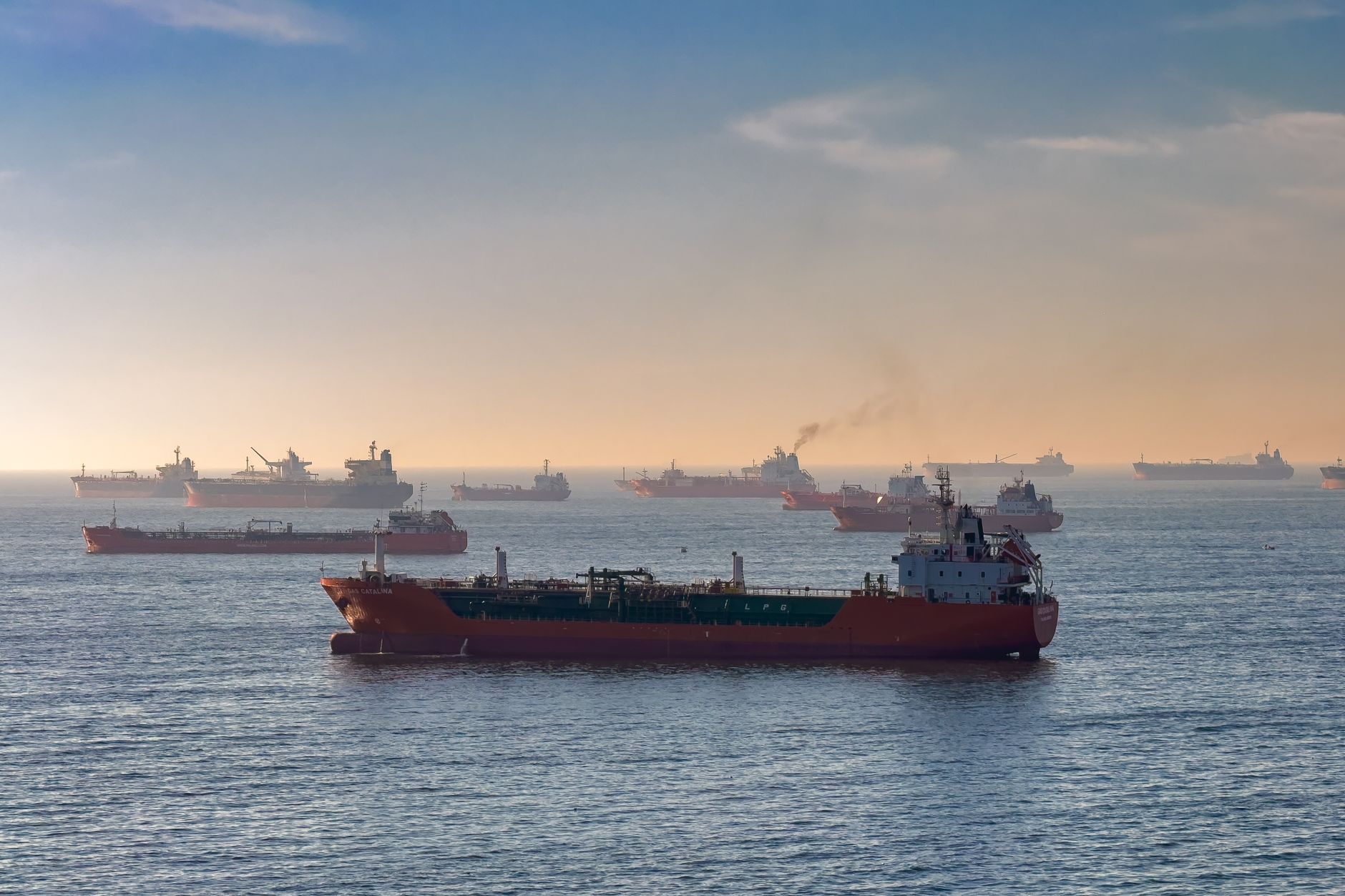
But that reassurance landed unevenly. Shipping insurers and several European freight operators said they were still waiting on written clarification before routing vessels through the 33-kilometer-wide passage, which handles roughly 20 percent of global oil trade daily — around 17 million barrels.
How the confusion started
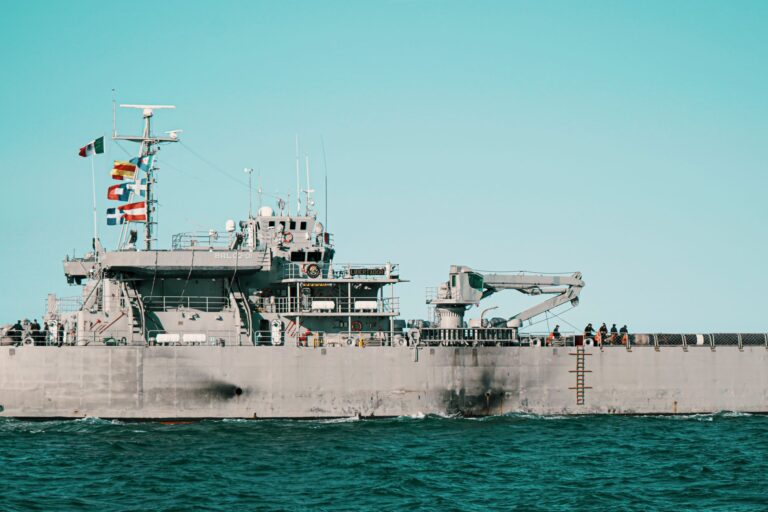
The alarm began late Monday when unverified reports circulated on maritime radio channels and social media suggesting Iranian naval vessels had issued warnings to at least three tankers near the strait’s eastern approach. Two of those tankers briefly altered course, according to vessel-tracking data reviewed by shipping analysts. One, a Panamanian-flagged crude carrier, anchored in shallower waters off Oman for nearly six hours before resuming its route.
That was enough to send insurance premiums spiking. War-risk surcharges on Hormuz transits jumped an estimated 0.3 percent within hours — a meaningful cost spike on vessels carrying hundreds of millions of dollars in cargo.
Markets on edge
Oil markets registered the jolt. Brent crude climbed $2.14 per barrel in Tuesday morning trading before retreating slightly after Tehran’s statement. Still, traders weren’t fully convinced. Options markets showed elevated hedging activity through the end of the week, suggesting investors aren’t ready to treat the episode as closed.
The episode is a reminder of just how little margin for ambiguity exists in the Strait of Hormuz.
Analysts noted that even temporary confusion — a few hours of rerouting, a spike in premiums, a handful of delayed cargoes — can ripple through energy markets fast. The strait has no real alternative. The closest bypass routes, including pipelines through Saudi Arabia and the UAE, can handle only a fraction of normal throughput.
What comes next
The Persian Gulf Strait Authority said it expects to publish detailed transit guidelines within 72 hours. Several major shipping associations, including representatives from Greece and Japan — two of the world’s largest flag and shipowner nations — said they’d pushed for that timeline and would be reviewing the language closely.
Whether Tuesday’s statement holds, or whether fresh incidents reignite concern, is a question the industry will be watching hour by hour.