Rubio heads to Gulf to salvage Iran deal allies never agreed to
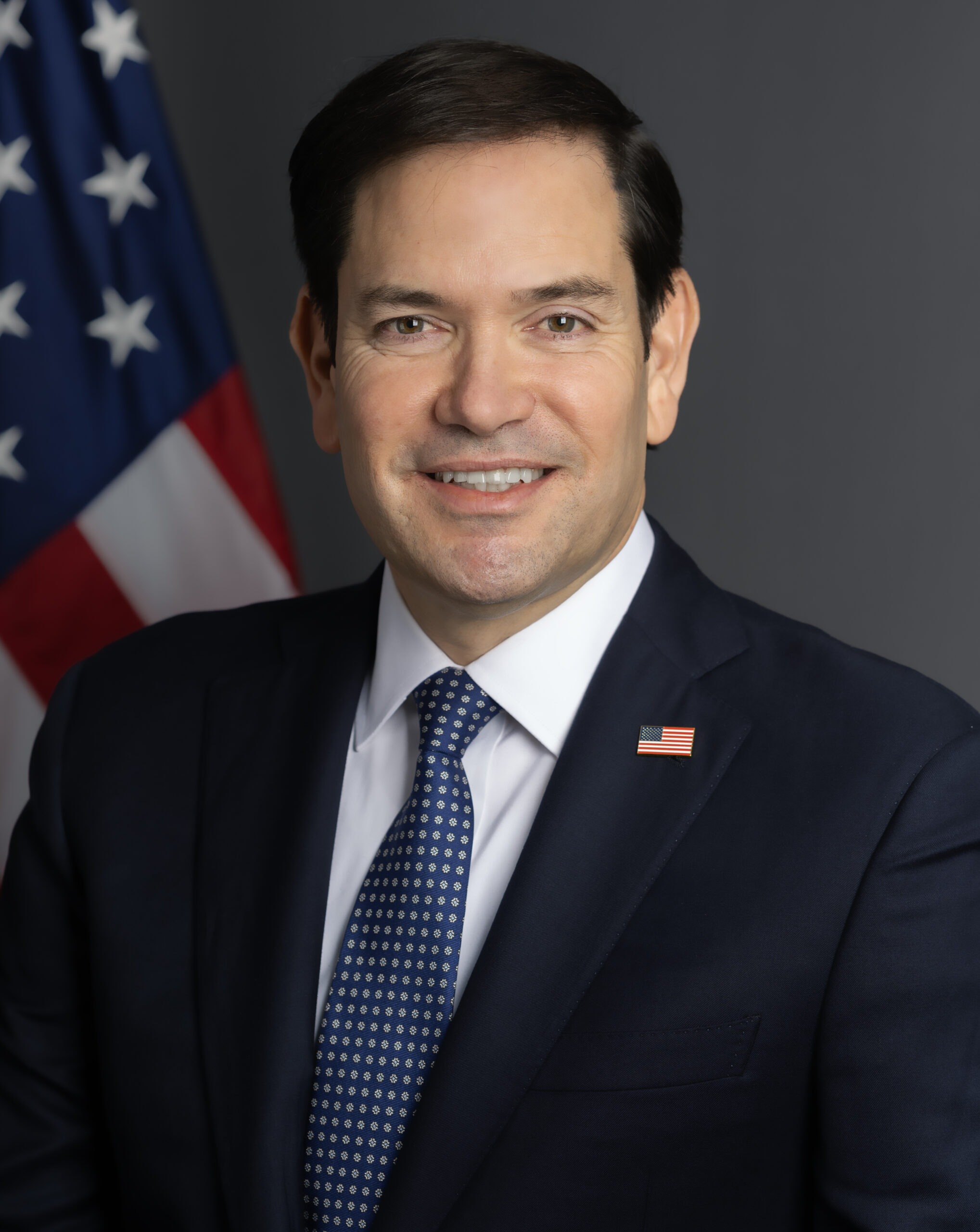
Secretary of State Marco Rubio lands in Abu Dhabi on Tuesday carrying a difficult message for three US allies who are still seething over being left in the dark about last month’s military campaign against Iran. His three-stop tour — the United Arab Emirates, Kuwait, and Bahrain — comes as Washington scrambles to repair frayed relationships with Gulf partners who learned about “Operation Epic Fury” the same way the rest of the world did: watching it unfold on television.
Allies blindsided by the strikes
US officials privately concede the failure to provide advance warning was a serious miscalculation. All three countries host major American military installations. Bahrain is home to the Navy’s Fifth Fleet. Kuwait hosts roughly 13,500 US troops at bases that date back to the Gulf War. The UAE has quietly allowed American forces to operate from Al Dhafra Air Base for years. None of them got so much as a phone call before the bombs fell.
That’s a significant breach of trust. And it’s the backdrop against which Rubio is now asking these same governments to open their checkbooks for Iranian reconstruction.
The reconstruction ask is a hard sell
Iran’s strikes on Gulf infrastructure during the conflict caused an estimated $4.2 billion in damage across the region. Saudi Aramco facilities took hits. A desalination plant in Kuwait was partially disabled for eleven days. The idea that Gulf sovereign wealth funds should now finance Tehran’s rebuilding effort has been met with barely concealed fury in regional capitals.
“There is a framework for regional investment in reconstruction, but the conversations are at a very early stage,” a senior State Department official said Monday, speaking on condition of anonymity. The careful phrasing didn’t hide the gap between Washington’s timeline and the Gulf’s appetite for the plan.
Still, the Biden — Rubio correction — the Trump administration believes the Gulf states’ long-term economic interest in a stable Iran ultimately outweighs the current anger. That’s an argument Rubio will have to make face to face.
Rubio’s diplomatic balancing act
The Secretary arrives with a provisional Iran nuclear and sanctions framework that was reached in Doha eighteen days ago but hasn’t been publicly detailed. Gulf governments want assurances that whatever deal was struck doesn’t give Tehran a pathway to regional dominance once its economy recovers. That fear isn’t abstract. It’s grounded in decades of proxy conflicts and ballistic missile attacks that predate this latest war.
Rubio is expected to spend approximately fourteen hours in the UAE before flying to Kuwait City on Wednesday, with Bahrain as his final stop Thursday morning.
What comes next
Whether the trip produces any concrete commitments or simply manages the bleeding in these alliances remains to be seen. A full Gulf Cooperation Council meeting is tentatively scheduled for late next month in Riyadh, which could be the real proving ground for any reconstruction financing plan. But getting to that table with trust even partially restored is the job Rubio has to do first.