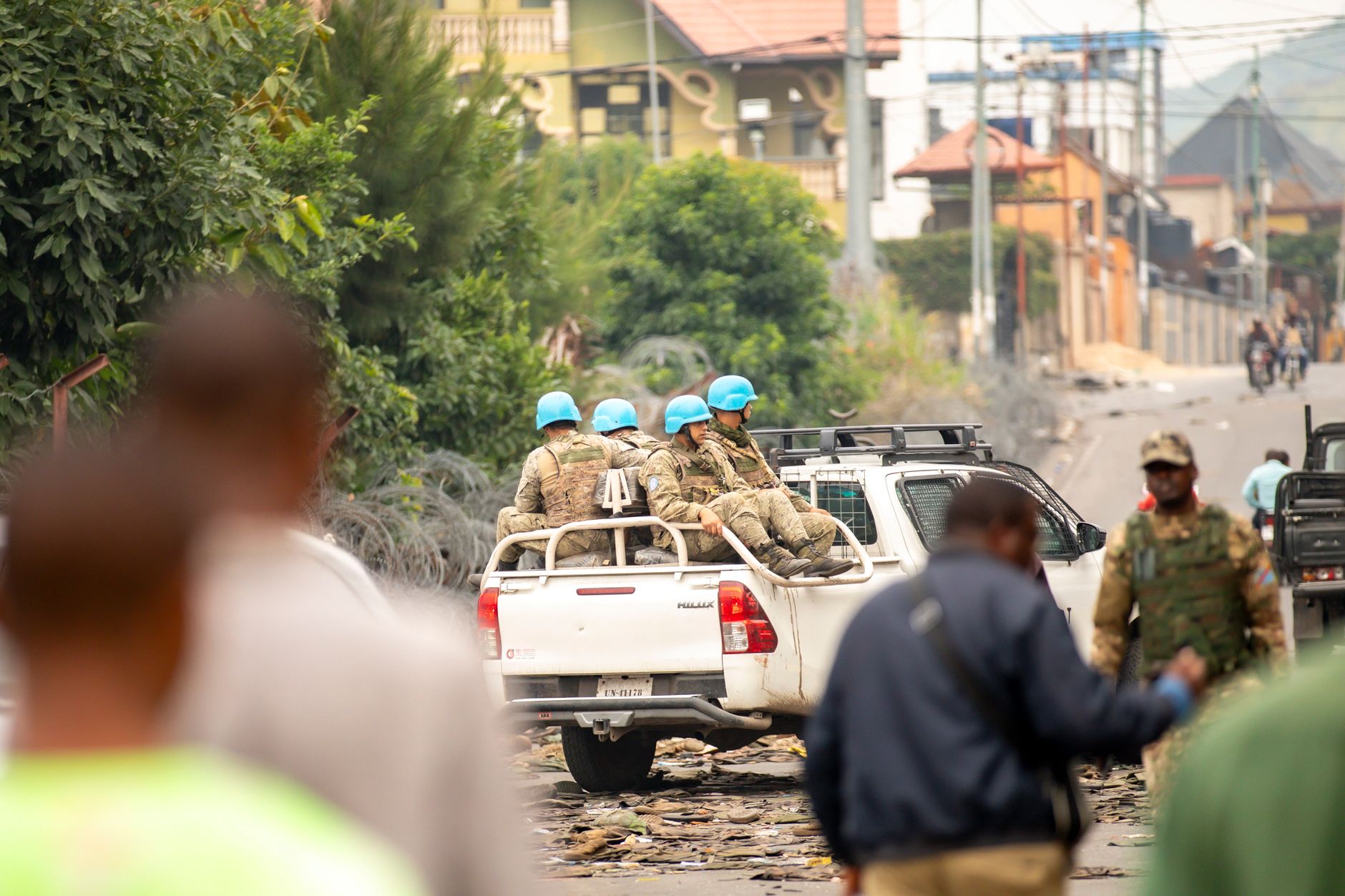
UN Peacebuilding Fund marks 20 years of conflict recovery work
Twenty years in, and the UN Peacebuilding Fund is still doing something that rarely makes headlines: helping countries stay out of war. As fresh conflicts dominate global news cycles, the fund’s two-decade record offers a quieter but arguably more important story — one of societies that stepped back from the edge and didn’t fall.
A fund built for the gaps
The UN Peacebuilding Fund was established in 2006 to fill a specific and awkward void. Traditional humanitarian aid floods in during a crisis. Development money arrives once stability is assured. But that messy middle period — when the guns have mostly stopped but institutions are still fragile — was chronically underfunded. That’s exactly where this fund operates. Since its founding, it has disbursed over $1.6 billion across more than 60 countries, targeting everything from community reconciliation programs to strengthening justice systems that people actually trust.
What recovery actually looks like
The countries on the fund’s list aren’t abstract case studies. Guinea held its first peaceful democratic transfer of power in 2010 after decades of military rule. Timor-Leste, once a byword for post-independence chaos, has maintained constitutional order for years. Sierra Leone, which endured one of West Africa’s most brutal civil wars through the 1990s, now functions as a functioning multiparty democracy. None of these transitions were inevitable. And none happened without sustained outside support during those critical early years.
Still, the fund is careful not to claim sole credit. Peacebuilding is slow, unglamorous work, and the variables are enormous.
The money and what it targets
In 2024 alone, the fund approved roughly $97 million in new allocations, with significant portions directed toward women’s participation in peace processes — an area where evidence increasingly shows results. Programs in countries like Colombia, the Central African Republic and Somalia have focused on giving women formal roles in negotiations and local governance, not as a symbolic gesture but because exclusion has historically been a driver of renewed conflict.
“When communities see themselves reflected in the institutions that govern them, the incentives for violence shift,” one senior UN official involved in the fund’s operations said, describing what field teams consistently report from the ground.
Looking ahead as old wars drag on
The fund’s 20th anniversary arrives at a difficult moment. Active conflicts in Sudan, Gaza, Ukraine and Myanmar are stretching international attention and resources thin. Donor fatigue is real. And the geopolitical tensions that complicate UN operations globally haven’t spared peacebuilding efforts either.
But the fund’s backers argue that’s precisely why this kind of long-range investment matters more, not less. Preventing a country from sliding back into war costs a fraction of what military intervention or refugee response demands later.
The next phase of the fund’s work is expected to focus increasingly on climate-related conflict drivers — a growing concern as resource pressures intensify across the Sahel, the Horn of Africa and beyond. Twenty years in, the mission is only getting harder.