Grand coalition talks gain traction in European Parliament
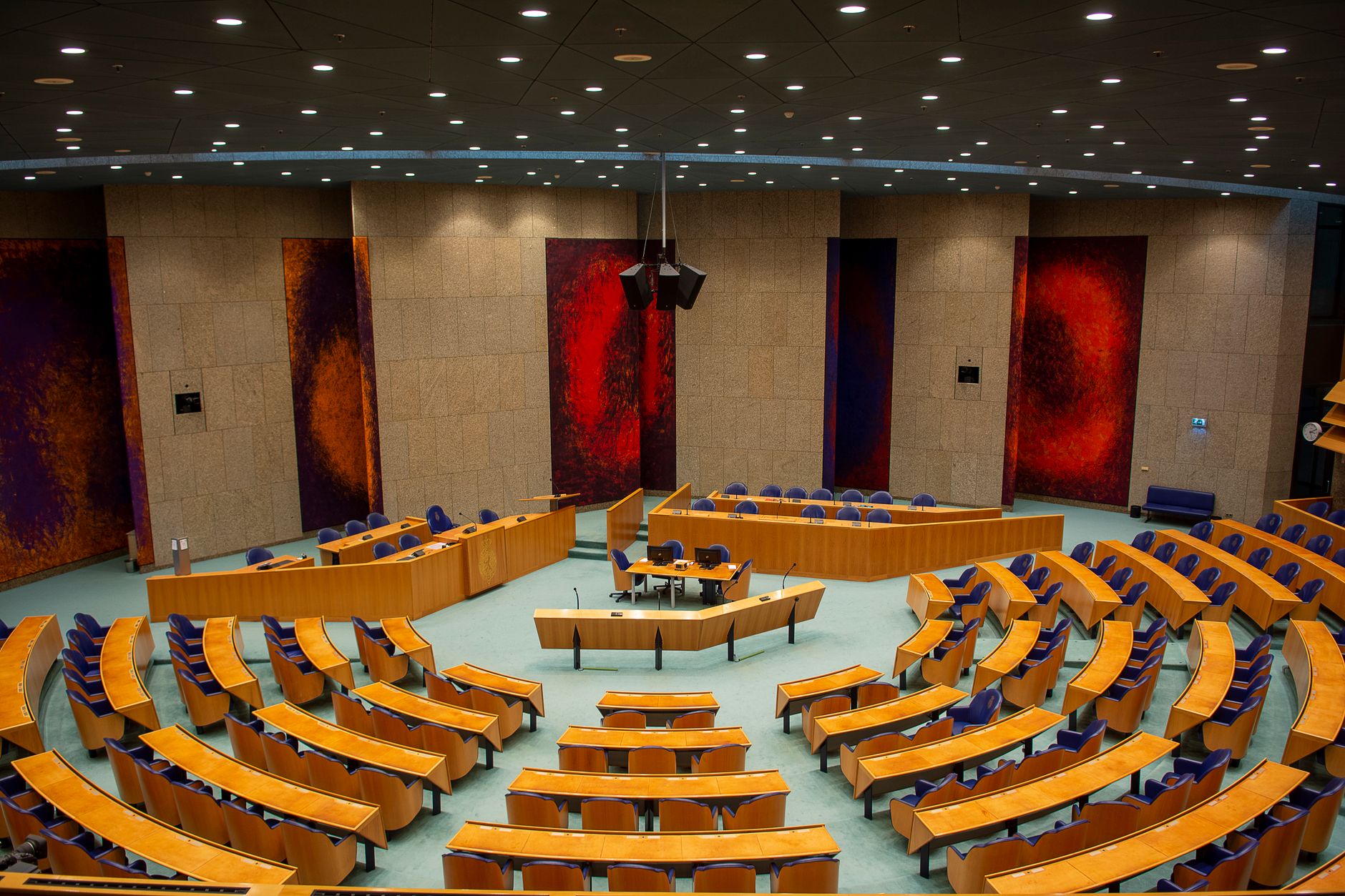
The European Parliament is moving closer to a broad governing alliance, with talks between the centre-right European People’s Party, the Socialists and Democrats, and the liberal Renew Europe group showing signs of real progress after weeks of stalled negotiations. It’s a shift that could reshape how the institution operates for the next five years.
What’s driving the momentum
Pressure from within the parliamentary groups has been building since early this month. Key figures on all three sides acknowledged privately that a minority arrangement simply won’t hold when it comes to passing legislation on contentious issues like migration reform and the Green Deal’s next phase. The arithmetic is brutal — the EPP alone holds 188 seats, far short of the 361 needed for a majority in the 720-seat chamber. So finding reliable partners isn’t optional. It’s survival.
And the mood has shifted noticeably in the corridors of the Strasbourg building this week.
Sticking points remain
But don’t call it done yet. The Socialists are pushing hard on labour protections and want firm commitments before signing on to anything. Renew, meanwhile, is wary of being swallowed into a coalition where its 77 seats carry less leverage than the larger blocs. One senior parliamentary official, speaking on condition of anonymity, said the talks are “genuinely closer than they look from the outside, but there are two or three issues that could still blow this up in a single afternoon.”
Agriculture subsidies and the proposed revision of fiscal rules are among the flashpoints. The EPP has shown flexibility on trade but remains dug in on climate timelines, pushing back against binding 2040 emission targets that the Socialists see as non-negotiable.
Why a grand coalition matters
A formal grand coalition — if it holds — would give the Parliament a stable majority bloc for the first time since the 2019 elections fractured the old left-right duopoly. That stability has real consequences. It means budget negotiations with the European Commission could move faster, treaty-adjacent legislation could pass with fewer procedural crises, and the Parliament’s overall influence in trilogue negotiations with the Council would likely increase.
Still, critics on both the left and right argue the arrangement risks producing bland, lowest-common-denominator politics that alienates voters already frustrated with Brussels.
What happens next
Negotiators are expected to meet again before the end of the week, with a preliminary framework document potentially tabled by Friday. Sources suggest a final agreement, if reached, could be presented to the broader parliamentary groups for ratification within the next 10 to 14 days.
Whether that timeline holds is anyone’s guess. European politics has a habit of collapsing deals that looked certain just days before. But the pressure to get something on paper — and the absence of any credible alternative — means the three groups have strong reasons to keep talking.