Starmer fights for survival as Brussels watches with concern
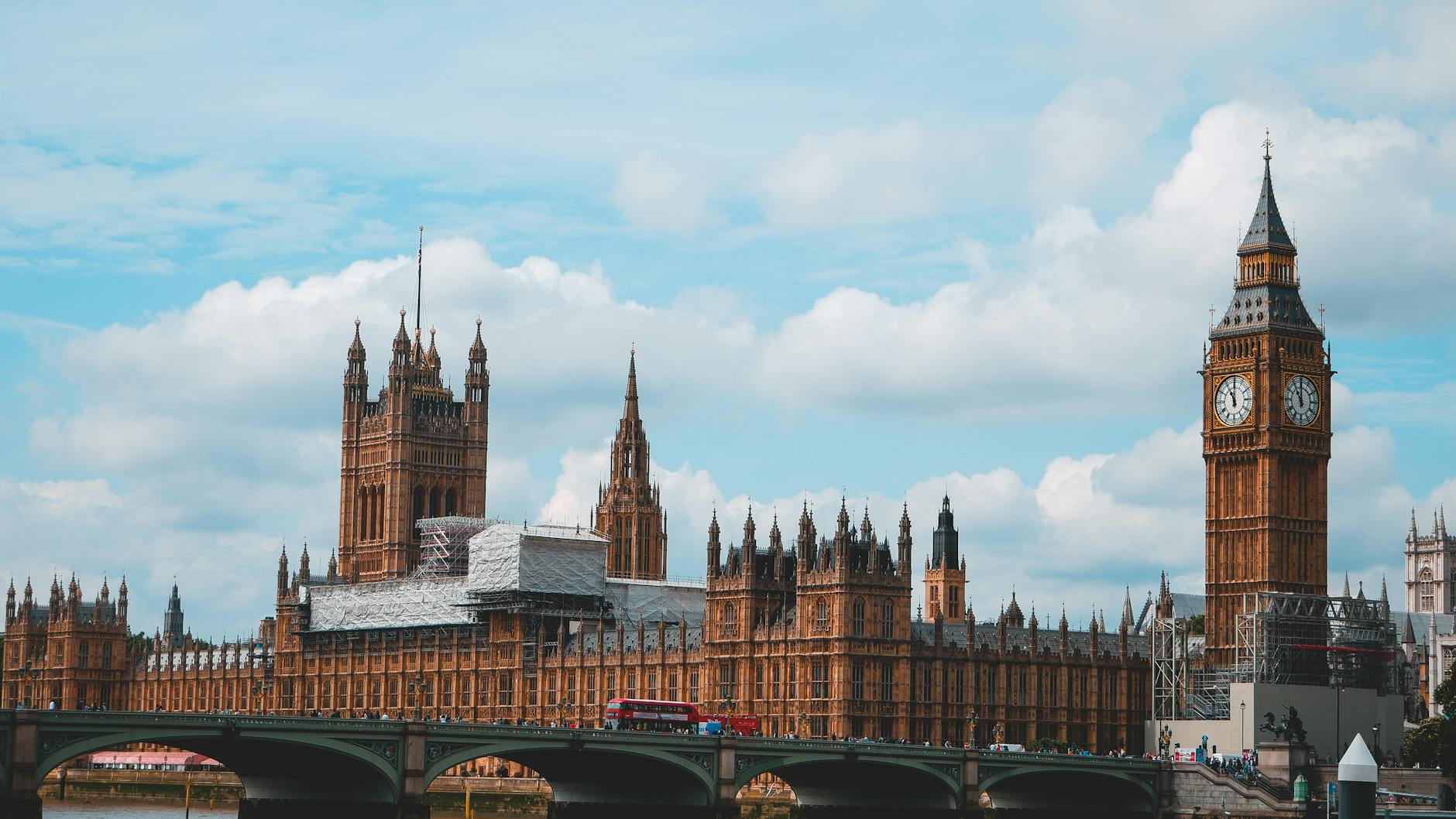
Sir Keir Starmer entered the weekend fighting for his political life. More than 90 Labour MPs have publicly called for the Prime Minister to resign following the catastrophic performance of the governing party at the English local elections of 7 May. For Brussels and member state capitals, the crisis carries strategic weight that extends well beyond the personal fortunes of any one British leader.
The scale of the defeat
The numbers are stark. Labour lost roughly 1,500 council seats; Nigel Farage’s Reform UK gained 1,454, taking control of Essex County Council, Havering – its first London local authority – and the northern English city of Sunderland. The Conservatives shed more than 500 seats. The Liberal Democrats added more than 150, the Greens more than 300. The two-party system that has defined British politics for a century looks structurally broken.
The Rayner intervention
The most consequential intervention came from Angela Rayner, Starmer’s former deputy. On social media she wrote: “What we are doing isn’t working, and it needs to change. This may be the Labour Party’s last chance.” The post was read across Westminster as a positioning move ahead of a possible leadership contest. Other prospective challengers include Health Secretary Wes Streeting, damaged by his association with the dismissed ambassador Peter Mandelson, and Manchester Mayor Andy Burnham, who would need first to secure a parliamentary seat.
The Starmer counter-attack
The Prime Minister rejected calls to step down in a make-or-break Downing Street speech on Monday 11 May. “To meet the challenges that our country faces, incremental change won’t cut it,” he told the audience, acknowledging that “some people are frustrated with me” and that he has “doubters.” He framed his government as a “10-year project of renewal” – a long-horizon argument that depends, ironically, on his being given a long horizon.
Brussels: the strategic reading
European Commission officials have, with one or two undiplomatic exceptions, declined to comment publicly on the crisis. In private, the assessment is far more guarded than a year ago. Since Starmer’s election in July 2024, the United Kingdom has pursued the most explicit policy of EU-UK re-engagement of any British government since Brexit. The Strategic Reset of May 2025 produced the new fisheries agreement, the SPS deal, and the youth mobility framework – all of which have been personal projects for Starmer.
A successor from Labour’s left could pursue closer alignment with EU regulation, including possible accession to the customs union – politically explosive in Britain but welcomed in many European capitals. A more centrist successor might be more cautious, particularly under pressure from a resurgent Reform UK. The worst-case scenario, from Brussels’ perspective, is a Labour collapse opening the way for a Reform UK government with a fundamentally adversarial posture.
Markets render the verdict
Financial markets have priced the political risk explicitly. The yield on the 10-year UK gilt has pushed above 5%. The FTSE 100 closed Friday down 2.00% at 10,165 points. Sterling fell to a one-month low against the dollar. Chancellor Rachel Reeves, defending the government line, said the Q1 GDP figures published Thursday – UK growth of 0.6%, in line with expectations – showed the government “has the right economic plan.” Her own future is widely seen as tied to the Prime Minister’s.
Eight weeks to recess
The political calculation now hinges on whether any challenger can muster the 81 nominations required to formally trigger a leadership contest before Parliament rises for the summer recess. None has yet broken cover. For Brussels, preparing the next round of EU-UK negotiations on financial services and youth mobility, the answer to that question over the next eight weeks will shape the political weather across the Channel for years to come.