
EU sanctions deadlock stalls over one Greek oligarch
A sweeping package of EU sanctions has been held up for weeks — and it’s apparently down to a single name on a list. Greece is blocking the adoption of a new round of European Union sanctions because of one Greek oligarch whose identity has not been officially disclosed, according to sources familiar with the negotiations.
One name, one veto
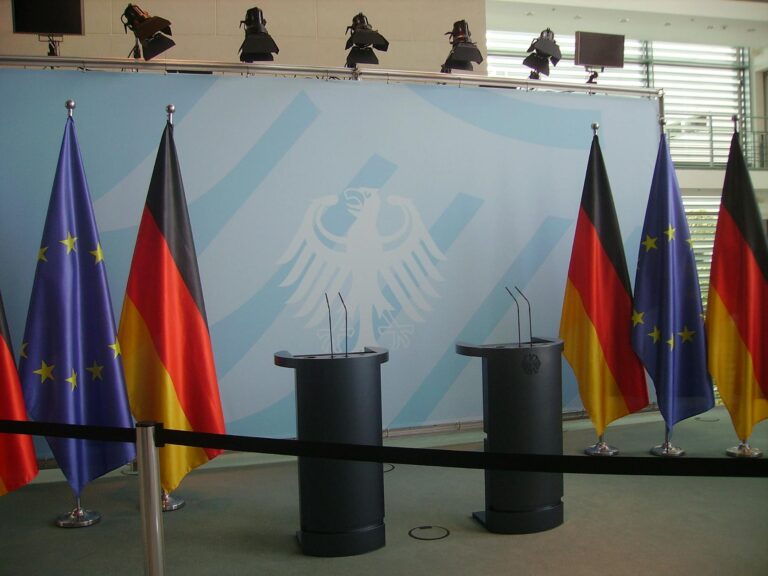
The standoff is playing out inside the EU’s working groups in Brussels, where all 27 member states must agree unanimously before any sanctions package can pass. Greece has repeatedly refused to sign off on the measures, insisting the individual in question doesn’t meet the threshold for designation. Other member states disagree. So the whole process grinds to a halt over one disputed entry out of dozens.
That’s the nature of EU sanctions law. One country can hold up an entire package indefinitely.
Who is the oligarch?
Officials haven’t publicly named the individual. But sources describe him as a prominent Greek businessman with significant shipping and real estate interests. Shipping has historically been a sensitive sector for Greece, which operates the largest commercial fleet in the world — roughly 4,300 vessels accounting for about 20 percent of global shipping capacity. Athens has long pushed back on measures it views as targeting an industry central to its economy.
A European diplomat familiar with the talks put it bluntly. “We’ve had constructive discussions across the board, but this particular designation remains a sticking point that we’re working through bilateral channels to resolve,” the official said, speaking on condition of anonymity.
Brussels losing patience
The delay is causing real frustration. The broader package includes asset freezes and travel bans targeting individuals linked to sanctions evasion networks and Russian war financing — measures that several member states consider urgent. And every week the package sits in limbo is another week those individuals move money, restructure assets, or find workarounds.
EU sanctions coordinators had hoped to finalize the package before the end of last month. That deadline came and went. A revised target of mid-month has also slipped. At this point, no new date has been formally announced.
What happens next
Technically, the EU could drop the contested name and push through the rest of the package. That’s happened before in similar standoffs. But some member states are resistant to that approach, arguing it sets a bad precedent and signals to oligarchs that political pressure from their home governments works.
Still, the pressure to move is building. European Commission officials have quietly signaled that a compromise may be close, possibly involving additional evidence being shared with Greek authorities to satisfy their legal concerns about the designation criteria.
Whether that’s enough remains to be seen. Greece hasn’t publicly explained its objections in detail, and Athens didn’t respond to requests for comment by the time of publication. The next round of talks is expected later this week.