Carbon pricing in Europe split among five rival blocs
The battle over carbon pricing in Europe has crystallized into five distinct political blocs, each pulling the EU’s flagship emissions trading system in a different direction as pressure mounts ahead of the next major policy review.
Who are the five blocs?
The groupings don’t map neatly onto traditional left-right lines, which is what makes this fight so unpredictable. You’ve got a pro-industry camp led largely by Central and Eastern European member states, who want slower phase-ins and more free allowances for heavy manufacturers. Then there’s a green ambition bloc — Germany, the Netherlands, and the Nordic countries — pushing to tighten the cap faster and extend the system to new sectors. A third group, the southern flank including Spain and Portugal, is focused almost entirely on protecting households from rising energy bills. And two smaller factions are also in play: a competitiveness-first coalition of business-friendly MEPs worried about carbon leakage, and a fragmented group of right-wing populist parties who want to scrap or water down the ETS altogether.
What’s actually at stake
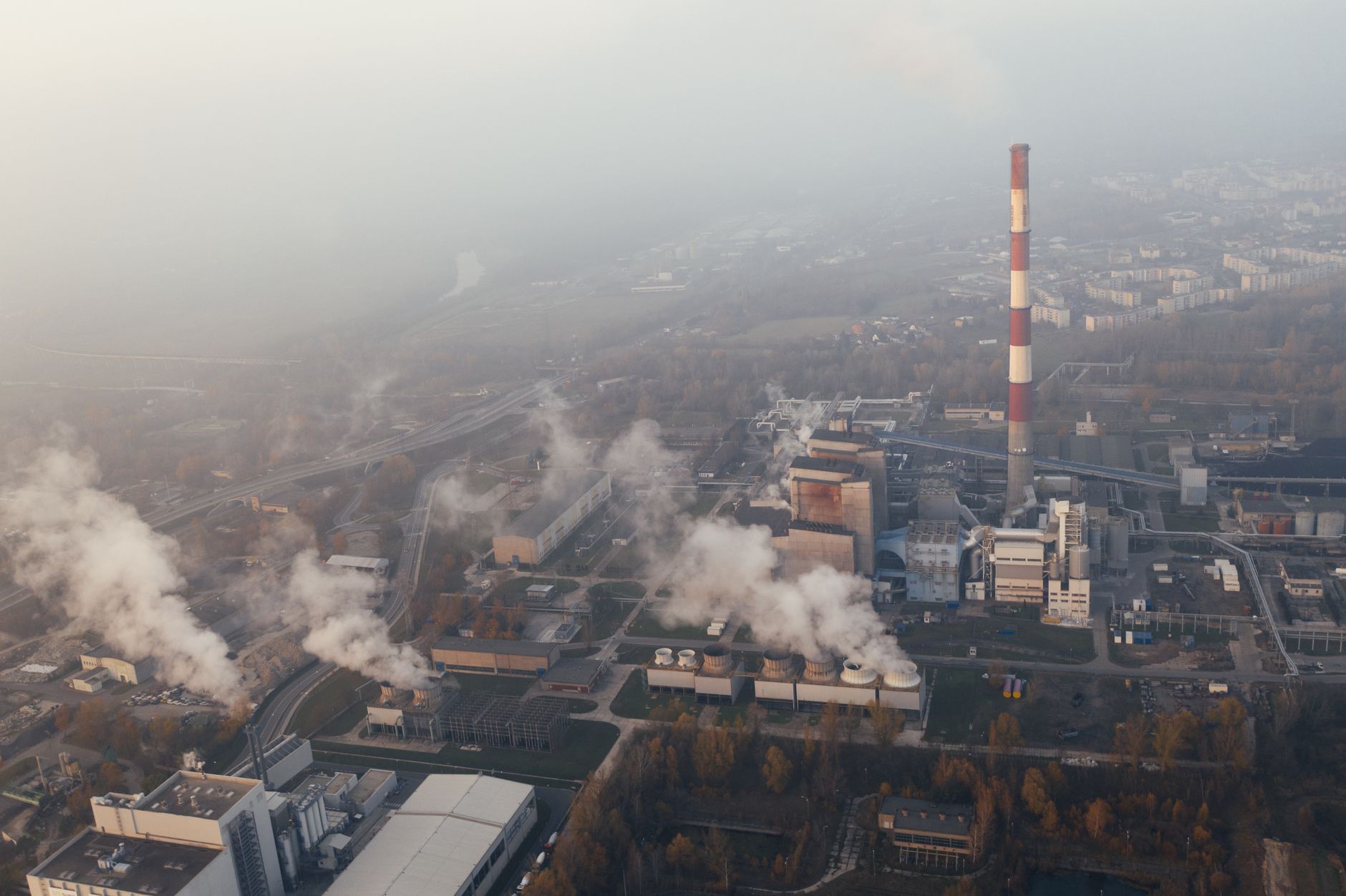
Carbon allowance prices have swung wildly in recent years — hitting a record €105 per tonne in early 2023 before sliding back toward the €50–60 range. That volatility has rattled industries, confused investors, and handed ammunition to critics on both sides. The EU ETS covers around 40% of total European greenhouse gas emissions, including power generation, aviation, and heavy industry. Extending it to buildings and road transport, as the EU has begun doing through the separate ETS2 mechanism, is where the real political fights are breaking out.
The stakes couldn’t be higher. Get it wrong, and Europe risks either gutting its main climate tool or triggering a backlash that hands populists a winning issue heading into the next electoral cycle.
Inside the negotiating rooms
A senior EU official familiar with the discussions said the coalition dynamics are shifting almost weekly. “What we’re seeing is that traditional alliances don’t hold when carbon costs start hitting voters directly,” the official said, speaking on background. “Everyone supports climate ambition in the abstract. It’s the bill that’s the problem.”
Poland and Hungary remain the loudest voices for a slower transition, but they’re not always aligned. Poland is willing to negotiate if it gets more modernization fund cash. Hungary tends to use climate votes as leverage for something else entirely.
What happens next
The European Commission is expected to launch its next ETS review in late 2025, and the five-bloc dynamic will almost certainly shape what comes out of it. Negotiations over ETS2 — the extension to transport and buildings — are already strained, with several member states pushing to delay its 2027 start date. That fight alone could take months to resolve.
So the carbon pricing map in Europe isn’t just complicated. It’s getting more complicated by the week, and none of the five blocs have enough votes on their own to win.