
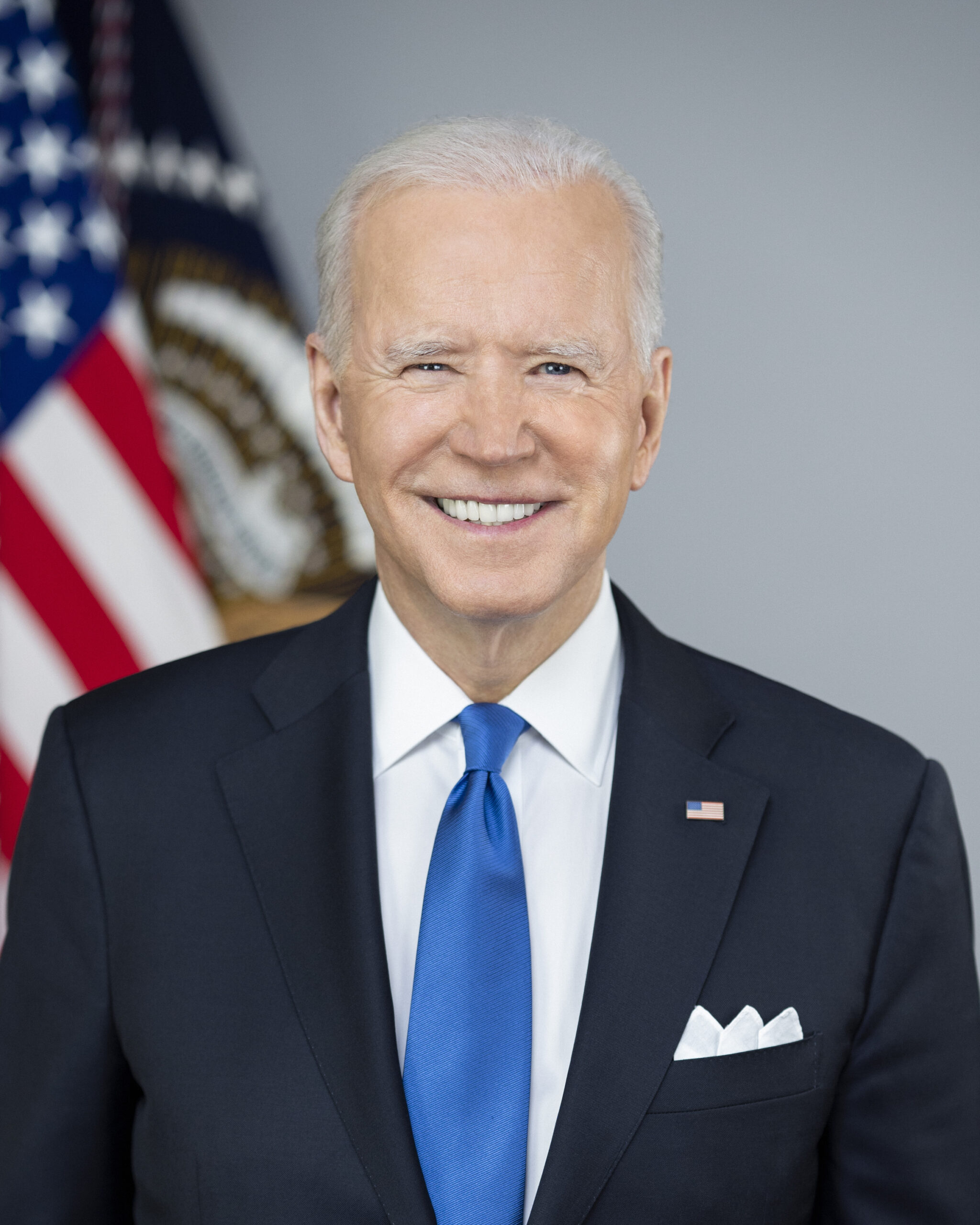
Biden memoir ghostwriter recordings rejected by US appeals court
A federal appeals court has rejected former President Joe Biden’s attempt to block the release of recorded interviews he gave to his ghostwriter, dealing a significant legal blow to the 82-year-old just weeks after he left the White House. The US Court of Appeals for the District of Columbia Circuit ruled against Biden in a split 2-1 decision, though the divided three-judge panel agreed to suspend the ruling until August 3 to give Biden’s legal team time to pursue a further appeal.
What the court decided
The recordings at the center of the dispute were made during Biden’s collaboration with ghostwriter Mark Zwonitzer for his memoir. Special counsel Robert Hur had obtained the audio as part of his investigation into Biden’s handling of classified documents. Biden’s lawyers argued the recordings should remain private, citing executive privilege and concerns about how selectively released audio could be used to misrepresent the former president. The court didn’t buy it. Two of the three judges sided with the Justice Department’s position that the recordings should be handed over to Congress, where Republican lawmakers have been pushing hard for access.
A narrow window remains
The August 3 deadline is now the critical date. It’s a short window — barely days away — and Biden’s legal team will have to move fast if they want to take the fight to the Supreme Court. Still, there’s no guarantee the nation’s highest court would agree to hear the case, let alone issue an emergency stay blocking the release. Legal analysts say the odds are steep.
The lone dissenting judge on the panel argued that the majority had moved too quickly and that Biden’s privilege claims deserved more careful consideration.
Political stakes are high
Republicans on the House Judiciary Committee have wanted the tapes for months. And their interest isn’t purely procedural. During Hur’s investigation, his written report described Biden as an “elderly man with a poor memory” — language that ignited a political firestorm during last year’s election cycle. The audio recordings, if released, could reignite that debate and provide critics with fresh material just as Biden is trying to shape his post-presidency narrative.
A spokesperson for the House Judiciary Committee called the ruling “a victory for congressional oversight and accountability.”
What comes next
Biden’s legal team has said it’s reviewing its options. Whether they mount an emergency appeal to the Supreme Court or accept the outcome remains unclear. But the clock is ticking. If no further stay is granted before August 3, the Justice Department would be required to turn the recordings over to congressional investigators.
The case raises broader questions about how far executive privilege extends for a former president — questions that courts have increasingly been forced to answer in recent years, and that won’t be settled quietly.