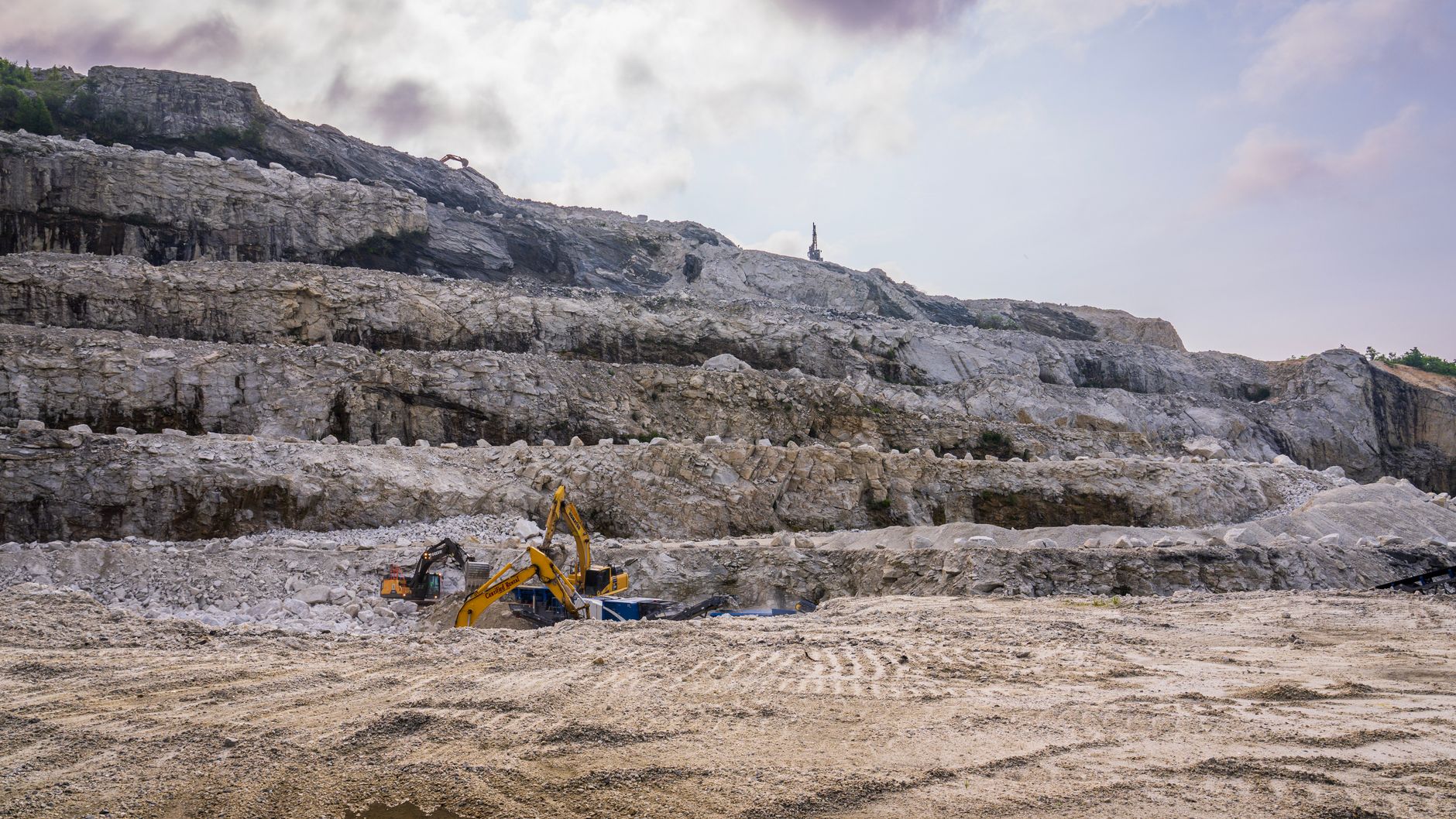
Critical minerals debate at Security Council: peace or conflict?
The UN Security Council gathered in New York on Wednesday for a rare and charged debate on critical minerals — the lithium, cobalt and copper sitting at the heart of the global clean energy transition. With demand projected to triple by 2030, the 15-member body confronted a question that’s equal parts economic and existential: can the world’s mineral wealth become a foundation for stability, or will it deepen the conflicts and corruption already tearing through resource-rich nations?
Stakes have never been higher
The numbers alone tell a stark story. The International Energy Agency estimates that a single electric vehicle requires six times more minerals than a conventional car. Offshore wind farms need nine times more mineral inputs than a gas-fired power plant. And the countries sitting on the largest reserves — the Democratic Republic of Congo, Zambia, Bolivia, Chile — are not all paragons of political stability. Some are actively at war, or teetering on the edge of one.
That’s the tension at the core of Wednesday’s session. The clean energy transition is supposed to save the planet. But if it’s built on cobalt mined by children in eastern Congo, or lithium extracted while Indigenous communities get no say and no share, then the moral foundation starts to crack.
Governance gaps are the real danger
Several delegations pointed to weak governance frameworks as the most urgent threat. It’s not the minerals themselves that fuel violence — it’s the absence of transparency, accountability and equitable revenue sharing. A senior UN official speaking to the chamber didn’t mince words: “We have seen this movie before. Oil. Diamonds. Timber. Every time, the resource becomes a curse when institutions are weak and outsiders are willing to look the other way.”
And the outsiders are very much present. Chinese, American and European companies are all racing to lock in supply chains. That competition, conducted mostly outside any multilateral framework, is already reshaping diplomatic relationships across Africa and Latin America.
What a framework could look like
So what would a workable solution actually look like? Proposals floated during the session included mandatory supply chain transparency requirements, a new UN monitoring mechanism for high-risk mineral extraction zones, and direct revenue-sharing agreements that funnel a fixed percentage of export earnings into local development funds. None of these are new ideas. None have been adopted at scale.
Still, Wednesday’s debate marked something significant: for the first time, critical minerals landed formally on the Security Council’s agenda as a peace and security issue — not just a trade or climate matter.
The road ahead
The session won’t produce a binding resolution. Diplomats acknowledged as much off the record, though formal negotiations on a framework document could begin before year’s end. Whether that produces anything real depends on whether the major mineral consumers — the US, China, the EU — are willing to accept constraints on an industry they’re all desperately trying to dominate. That’s a very big if.