Giorgia Meloni’s Italy: Is democracy under threat?
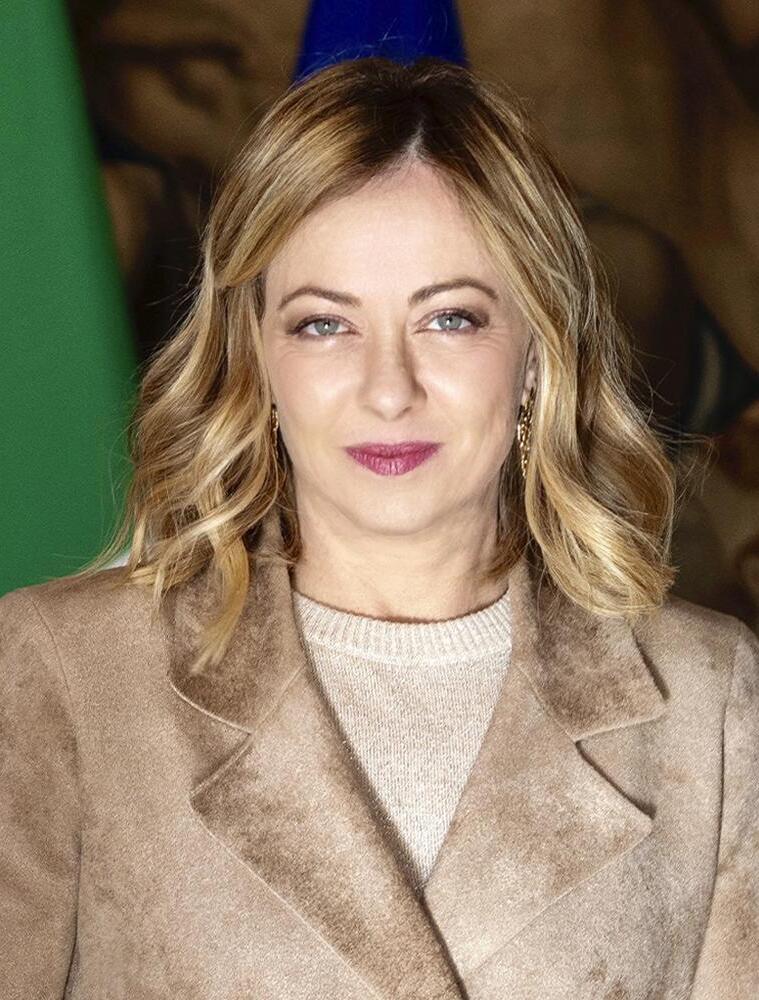
ROME — Giorgia Meloni came to power in October 2022 promising to defend Italy’s borders, its traditions, and its sovereignty. Nearly three years on, critics say she’s doing something else entirely: systematically tightening her government’s grip on the courts, the press, and the ballot box itself.
A coalition pushing limits
Meloni leads a coalition that includes her own Brothers of Italy party — which has post-fascist roots — alongside Matteo Salvini’s League and Silvio Berlusconi’s old vehicle, Forza Italia. Together they hold a comfortable parliamentary majority. But comfortable majorities, opposition lawmakers warn, have a way of becoming something more dangerous when institutions aren’t adequately defended.
Since taking office, the government has clashed repeatedly with Italy’s magistrates. The flashpoint has been migration policy. Italian judges have repeatedly blocked the government’s attempts to detain asylum seekers in third countries, including Albania, where Rome spent an estimated €800 million setting up offshore processing centers. Meloni’s response wasn’t to accept the rulings. It was to propose changing the constitutional criteria for which countries can be designated “safe” — effectively trying to legislate the courts into irrelevance.
The press is feeling the pressure
Journalists here will tell you, often quietly and sometimes only off the record, that the atmosphere has shifted. RAI, Italy’s public broadcaster, has seen a significant turnover of senior editorial figures since 2022. Several prominent presenters quit or were reassigned after the coalition took power. The Committee to Protect Journalists flagged Italy in its 2024 reporting, citing what it described as growing political interference in state media.
“We’ve seen governments try to influence RAI before,” one senior media industry figure told us, declining to be named. “But the speed and the scale of what happened after Meloni won was different.”
And it’s not just RAI. The government has pursued defamation cases against individual reporters. A proposed law would criminalize the publication of leaked judicial documents — a tool that Italian investigative journalists have long relied on to expose corruption.
Women’s rights and regional inequality
Then there’s the abortion question. Italy legalized abortion in 1978 under Law 194, and that law hasn’t been repealed. But in several regions governed by right-wing administrations, anti-abortion counselors have been given access to clinics under a policy Meloni’s government actively encouraged. In Tuscany and parts of the south, women report waiting times that stretch weeks, and some say they’ve been subjected to unsolicited ultrasounds and moral pressure.
The lived experience of democratic backsliding is rarely a single dramatic moment. It’s a slow accumulation of pressures, each one deniable on its own.
With elections due by 2027 and Meloni’s approval ratings still holding above 28 percent nationally, the opposition remains fragmented and struggling to articulate an alternative. Whether Italy’s institutions can absorb the pressure being applied to them — or whether they’ll bend — is a question the whole of Europe is watching closely.