Russian strikes kill dozens across Ukraine in overnight assault
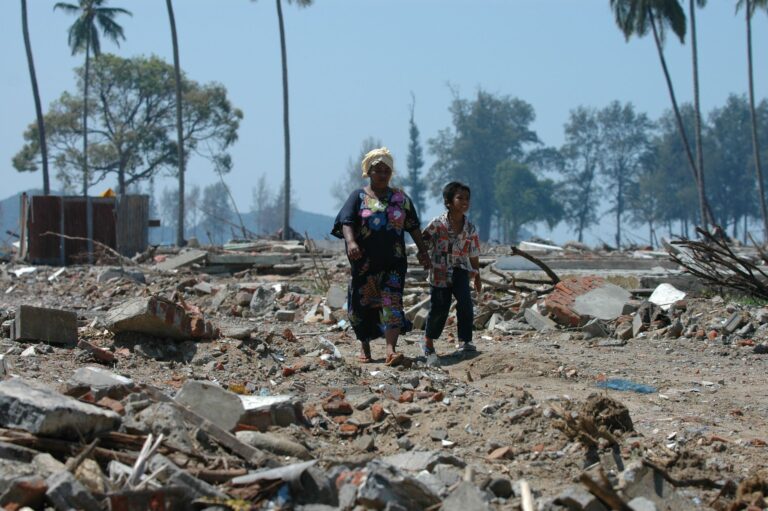
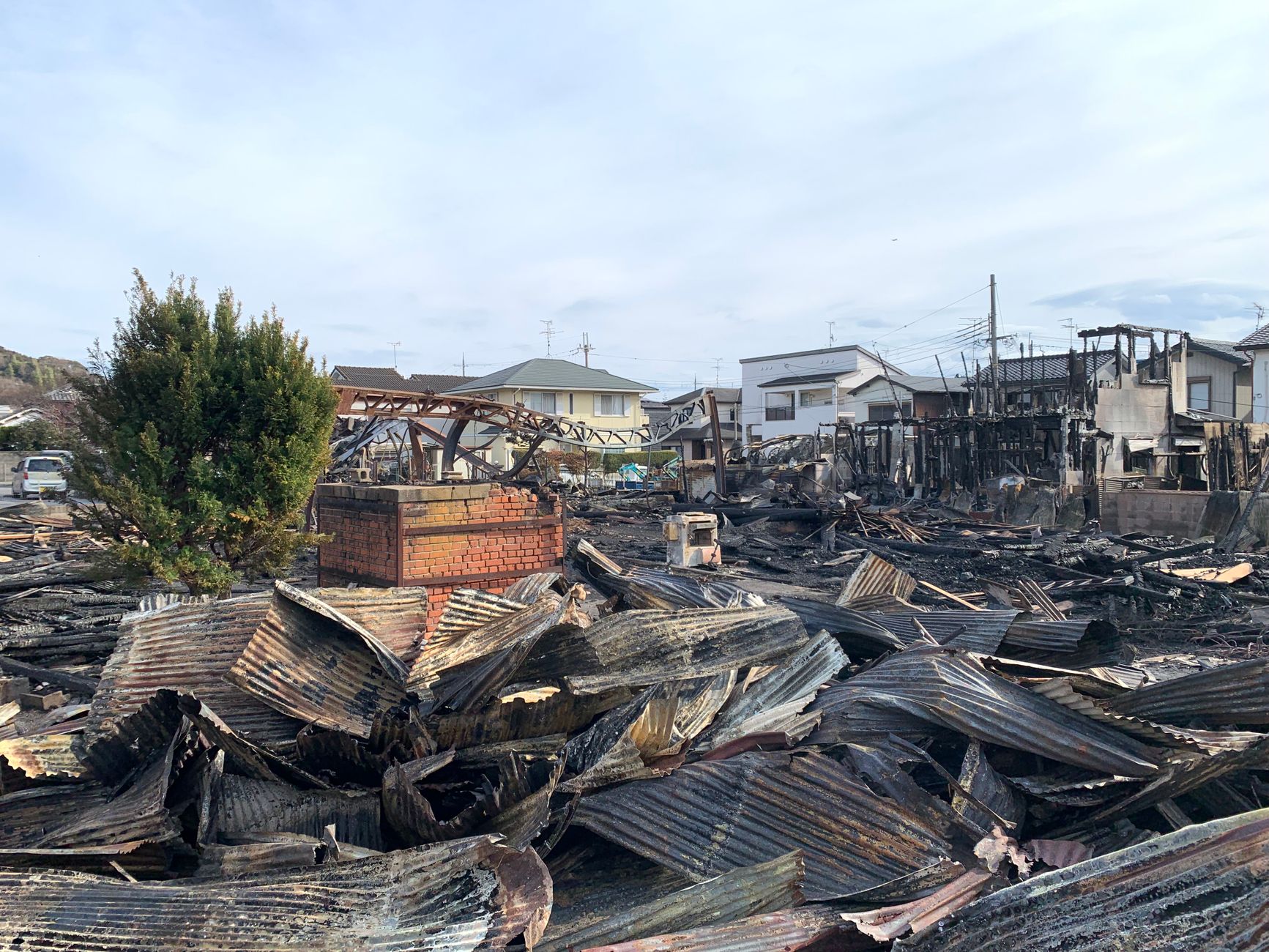
A massive wave of Russian missile and drone strikes tore through Ukrainian cities overnight Wednesday into Thursday, killing at least 23 people and wounding more than 100 others in what Ukrainian officials described as one of the most intense bombardments in recent months. Aid workers and emergency crews scrambled through rubble and shattered glass from Kyiv to Kharkiv, pulling survivors from collapsed buildings as fires burned in residential neighborhoods.
Cities struck across multiple regions
The strikes hit at least seven regions simultaneously, a coordinated pattern that stretched Ukraine’s emergency response to its limits. In Kharkiv, a missile tore through an apartment block in the early hours, killing six people including a child. Dnipro reported four dead after a strike on a residential street. Zaporizhzhia, Sumy, and Odesa all sustained significant damage to civilian infrastructure, with power outages affecting tens of thousands of homes by dawn. Russia launched an estimated 90 drones and 14 cruise missiles in the assault, according to Ukraine’s air force, which said it intercepted roughly 60 of them.
Concerns grow near nuclear plants
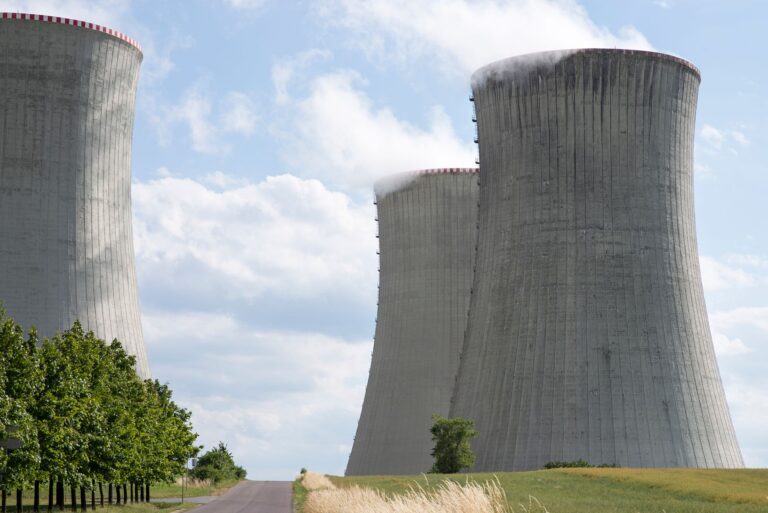
But the strikes weren’t just about casualties. Ukrainian officials raised urgent alarms Thursday over military activity detected near the Zaporizhzhia Nuclear Power Plant, Europe’s largest, which has been under Russian control since 2022. And the International Atomic Energy Agency said it was monitoring the situation closely after reports of explosions within 10 kilometers of the facility. So far there’s no confirmed damage to the plant itself. Still, the proximity of fighting to a nuclear site has rattled European governments already watching the conflict with growing unease.
‘It’s getting worse every week’
On the ground, the human cost was raw and immediate. Rescue teams in Kharkiv worked through the morning with torches and bare hands, lifting concrete slabs from a stairwell where residents had sheltered. One local emergency coordinator, speaking from the scene, didn’t mince words. “It’s getting worse every week. We’re not talking about military targets anymore — these are homes, these are families,” he said.
Ukraine’s President Volodymyr Zelensky posted footage of the damage online and renewed his call for Western allies to supply longer-range weapons and additional air defense systems.
Western allies respond with statements, little else
The strikes drew swift condemnation from NATO members, but concrete new commitments were scarce. The United States State Department called the attacks “a deliberate targeting of civilian populations” and said it was reviewing options for additional support. The European Union echoed similar language. Yet no country announced new weapon deliveries on Thursday, and Ukrainian officials made clear their frustration with what they view as a widening gap between rhetoric and action.
With winter approaching and Russia showing no sign of easing its aerial campaign, Ukrainian cities are bracing for what many officials fear will be a brutal season of infrastructure strikes designed to break civilian morale — a strategy that, so far, hasn’t worked.