
Russian missile interception rate in Ukraine drops to 70%, expert warns
Ukraine’s air defenses are losing ground. A Russian ballistic missile and drone barrage overnight killed at least 10 civilians, including children, and a defense expert is now warning that the country’s ability to shoot down incoming fire has significantly deteriorated since earlier this year.
A troubling slide in interception rates
Patrick Bury, a former British Army captain and Senior Associate Professor in Warfare and Counter-terrorism at the University of Bath, told FRANCE 24 that Ukraine’s average missile interception rate has fallen sharply. “The average interception rate of Russian missiles has dropped from probably around 90% back in March to 70-75%, sometimes below,” he said. That’s a substantial gap — and when you’re talking about ballistic missiles raining down on residential areas, every percentage point matters.
Ukraine’s air force said it intercepted 55 missiles and 265 drones during the overnight assault. On paper, those are impressive numbers. But the missiles that got through did catastrophic damage, and that tells the real story.
Ballistic missiles are the problem
Russia isn’t just launching more — it’s launching smarter. Moscow has increasingly deployed advanced ballistic missiles that travel at speeds and trajectories that make them far harder to intercept. Ukraine’s existing air defense systems, many of which were designed with slower, cruise-type threats in mind, are struggling to keep up.
Still, Ukraine has managed to maintain a functioning layered air defense network despite nearly three years of sustained Russian strikes. Western-supplied systems like the Patriot have proven effective against some ballistic threats, but there simply aren’t enough of them. A Ukrainian defense ministry official acknowledged the challenge, saying the country continues to press allies for additional air defense batteries and ammunition to address the growing gap.
The human cost of every miss
Ten people are dead. Among them, children.
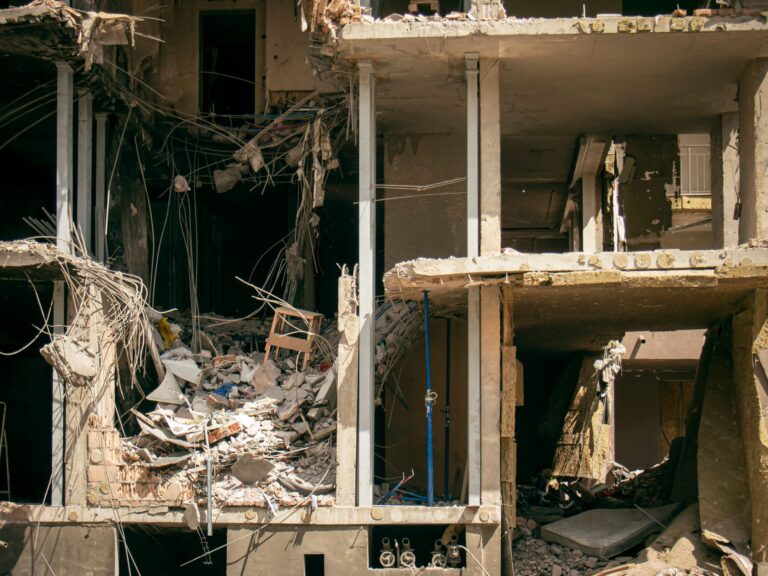
The overnight strikes hit residential buildings and civilian infrastructure across multiple regions. It’s a grim reminder that the debate over interception rates isn’t abstract. When a missile gets through, families don’t get a second chance. The degradation from 90% to 70% — a drop that might sound modest in percentage terms — translates directly into more funerals.
What comes next
Bury’s warning will likely intensify pressure on NATO allies to accelerate weapons deliveries, particularly systems capable of targeting ballistic missiles at higher altitudes and faster speeds. Ukraine has repeatedly requested longer-range air defense interceptors, and the case for supplying them has rarely looked more urgent.
And with winter approaching, Russia has historically ramped up its strikes on Ukrainian energy infrastructure during the colder months. If the interception rate continues to slide, the consequences for Ukrainian civilians could grow considerably worse before they get better. Western governments will need to decide quickly whether they’re willing to close that gap — or watch it widen.