Rohingya refugees at risk as UN urges action after boat disasters
Boats capsize off Myanmar coast
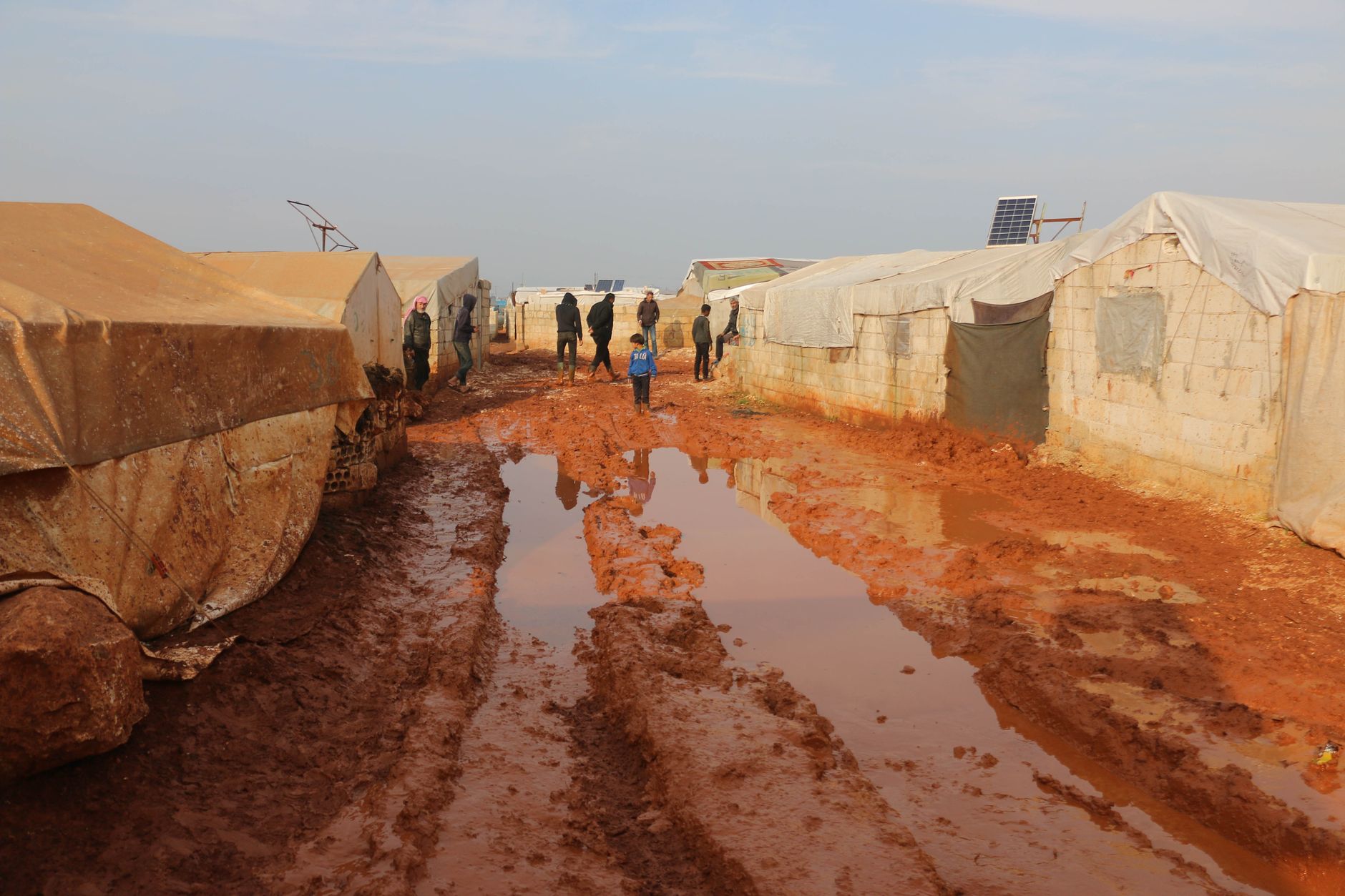
Independent United Nations experts are demanding urgent action to protect Rohingya refugees in Bangladesh, following alarming reports that two overcrowded boats carrying more than 500 people may have capsized off the coast of Myanmar in mid-July. The disasters, if confirmed, would rank among the deadliest incidents involving Rohingya refugees in recent years. Yet details remain scarce, and the full death toll is still unknown.
The UN Special Rapporteur on the situation of human rights in Myanmar called the reported sinkings a devastating consequence of the desperate conditions facing the Rohingya population. “These people are fleeing persecution with nowhere safe to turn,” said one UN human rights official. “The international community cannot keep looking away.”
Rohingya refugees have long relied on dangerous sea crossings to escape violence and poverty in Rakhine State. Smugglers routinely pack boats far beyond safe capacity. And with monsoon season well underway, conditions in the Bay of Bengal are particularly treacherous between June and September.
Bahá’í community faces intensifying repression in Iran
Separately, UN experts raised fresh alarms over the treatment of Bahá’ís in Iran, where authorities have escalated a crackdown against the country’s largest non-Muslim religious minority. According to the experts, at least 12 Bahá’í individuals were sentenced to a combined total of more than 50 years in prison in recent months on charges widely condemned as politically motivated.
It’s a pattern that human rights monitors say has been building for decades. But the pace of arrests has quickened noticeably since 2022. Properties belonging to Bahá’í families have been seized, businesses shuttered, and children denied access to higher education. Still, the Iranian government maintains that its legal proceedings target criminal behavior, not religious belief.
The UN experts called on Tehran to immediately release all detained Bahá’ís and to guarantee freedom of religion in line with its international obligations.
Disarmament efforts stall in Central African Republic
In the Central African Republic, a fragile peace process is showing new cracks. UN peacekeepers and government forces have struggled to implement a disarmament program that was central to the 2019 Political Agreement for Peace and Reconciliation. Armed groups that nominally signed the deal continue to operate across large swaths of the country, and civilians in rural areas remain at serious risk.
The numbers tell the story bluntly. Fewer than 8,000 combatants have gone through any formal disarmament process out of an estimated 30,000 to 40,000 active fighters nationwide.
Funding shortfalls and logistical failures have hampered the program from the start. So has a lack of political will from some factions who see their weapons as leverage. International donors have grown increasingly frustrated, and several have quietly reduced their contributions over the past 18 months.
With a UN mandate review approaching later this year, pressure is building on both the government in Bangui and armed group leaders to show measurable progress — or risk watching what little international support remains evaporate entirely.