Solitude as a lifestyle: ‘We are not lonely, we are free’
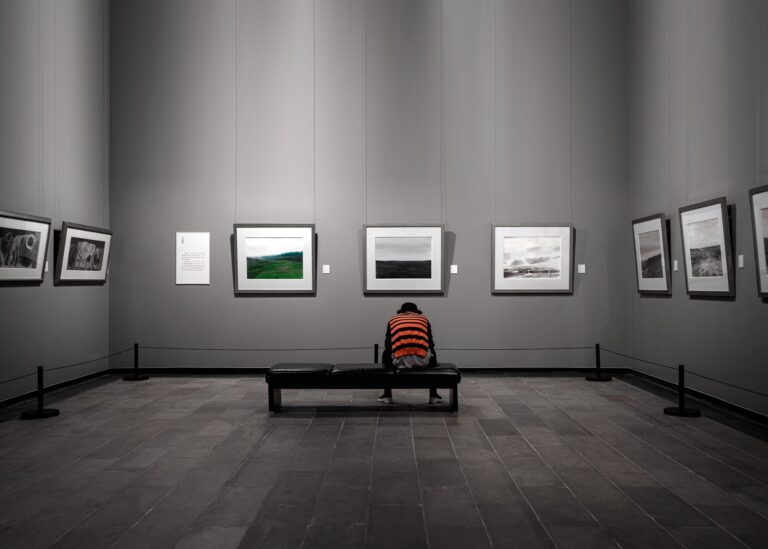
A quiet but unmistakable cultural shift is underway. Across TikTok, YouTube, and Instagram, a loosely connected wave of creators — now widely tagged as “loneliness influencers” — are documenting lives built entirely around solitude: no partners, no children, often no close friends, and no apology for any of it.
Their videos rack up millions of views. And for a growing slice of the public, they’re striking a nerve.
Who these creators are
The accounts vary wildly in tone. Some are minimalist and meditative — slow-pan shots of a single coffee cup, a morning walk through empty streets. Others are blunter. One creator, a 34-year-old woman in Portland who goes by the handle @aloneandokay, has amassed 1.2 million followers posting eight-minute vlogs of her evenings alone. “I’m not broken,” she said in one video that drew 4.7 million views. “I just stopped pretending I needed what everyone said I should need.”
The demographic skews younger than you might expect. A 2023 Pew Research survey found that 28% of American adults under 30 live alone — up from 19% a decade earlier. That number is feeding an audience already primed for this kind of content.
Why it’s sparking debate
Not everyone’s applauding. Critics argue the trend romanticizes social isolation at a moment when public health officials are already sounding alarms about a loneliness epidemic. In 2023, U.S. Surgeon General Vivek Murthy called loneliness “a public health crisis” and cited data suggesting it carries health risks comparable to smoking 15 cigarettes a day.
But the creators themselves push back hard on that framing. They draw a sharp distinction between chosen solitude and involuntary isolation — and they’re irritated that the difference keeps getting flattened.
“Loneliness is something that happens to you,” said one creator who runs a solo-living newsletter with 40,000 subscribers. “What we’re talking about is something you build.”
The aspirational angle
What’s new here isn’t people living alone — it’s the aesthetic. Solitude has been repackaged as a lifestyle brand, complete with morning routines, intentional meal prep for one, and apartment tours designed for a single occupant. It borrows the visual language of wellness culture and turns it inward.
Still, the line between inspiration and glorification is thin, and some mental health professionals are watching carefully.
“There’s real value in helping people feel less shame about living alone,” said Dr. Ellen Park, a clinical psychologist based in Chicago who specializes in adult social development. “The concern is when the content discourages people from examining whether their isolation is actually serving them.”
What comes next
The trend doesn’t show signs of slowing. Several creators are now landing book deals and brand partnerships — ironic, perhaps, for a movement built on stepping back from social obligation. Whether that mainstream momentum dilutes the message or amplifies it remains to be seen. But the conversation itself has already changed something. Solitude, for better or worse, is having its moment.