Morocco blames Ceuta migrant rush on social media misinformation
Morocco’s interior ministry has blamed a deadly surge of migrants attempting to reach Spain’s North African exclave of Ceuta on “misleading information” circulating on social media, as the two countries offered starkly different accounts of how many people lost their lives in the crossing.
Two very different death tolls
The gap between the two governments’ figures is striking. Morocco says 11 people died during this week’s chaotic rush toward Ceuta. Spain puts the number at least 72. That’s not a rounding difference — it’s a chasm, and it raises serious questions about transparency on both sides of the border.
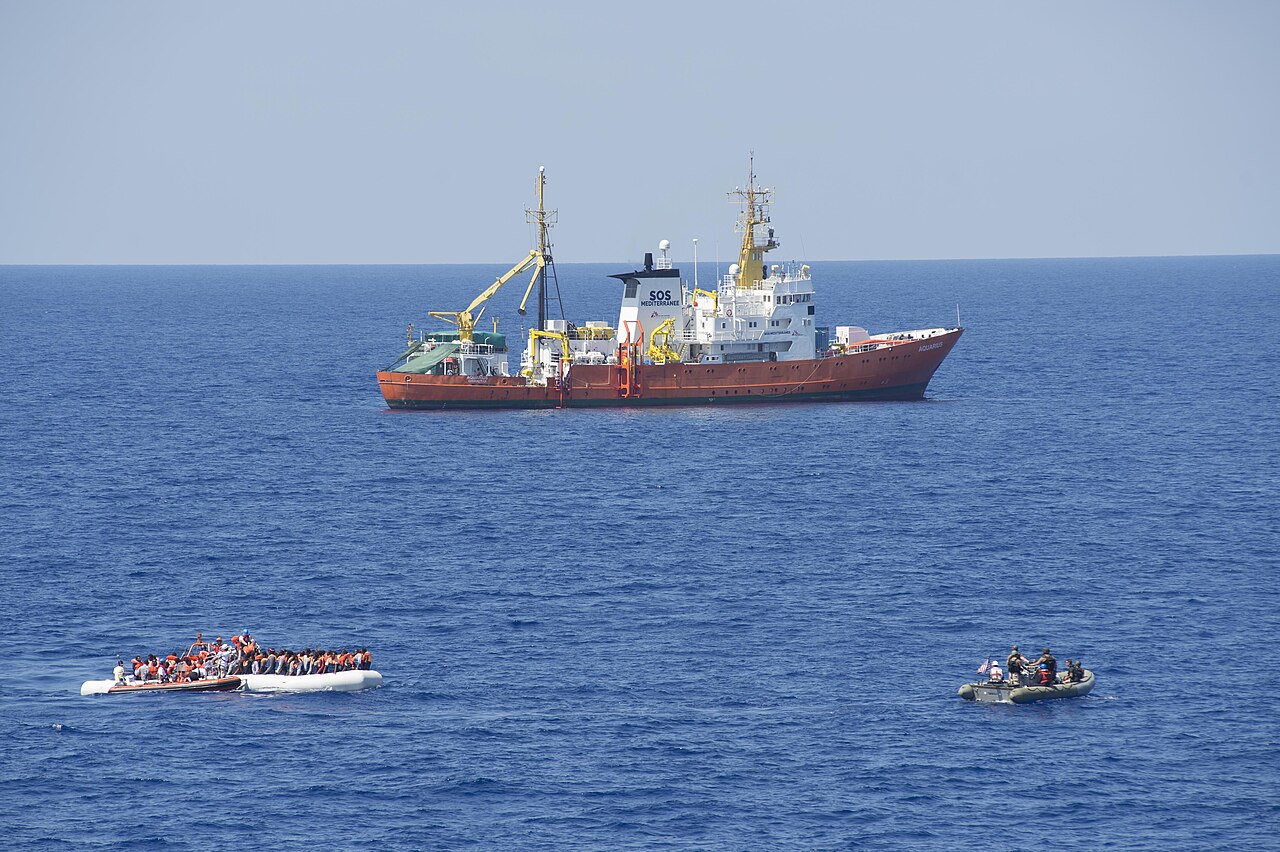
Spanish authorities reported scenes of desperation along the coastline, with rescue teams pulling bodies from the water over several days. Moroccan officials didn’t dispute that crossings happened, but they’ve been far more cautious about acknowledging the scale of the tragedy.
What Rabat is saying
In a statement released Sunday, Morocco’s interior ministry pointed to online posts it said falsely promised safe passage or suggested Spanish authorities would allow migrants through. Officials claim those messages spread rapidly through WhatsApp groups and other platforms, triggering a sudden and dangerous surge toward the border.
“The spread of misleading information on social networks played a significant role in encouraging irregular migration attempts,” a ministry spokesperson said, without specifying which platforms or posts were responsible.
But critics of that explanation say it conveniently sidesteps the deeper issues — poverty, instability in sub-Saharan Africa, and the limited legal pathways available to people who want to reach Europe.
A familiar flashpoint
Ceuta has long been one of the most volatile points along Europe’s external border. The narrow strip of water separating Morocco from the Spanish territory has claimed countless lives over the years. In May 2021, a single-day surge saw roughly 8,000 people attempt the crossing after Morocco temporarily eased its border controls — a move widely seen as a political pressure tactic against Madrid.
This week’s events followed a similar pattern of sudden escalation, though the precise trigger remains disputed.
Still, whatever the cause, the human cost is not in dispute in the most fundamental sense: people died. Families are waiting for information. And the exact number may never be fully confirmed.
What comes next
Spain’s government has called for an urgent joint investigation with Moroccan authorities to establish an accurate death toll and determine what caused the surge. So far, Rabat hasn’t publicly agreed to that request.
Rights groups are pressing both governments for answers. Organizations including Human Rights Watch have repeatedly documented dangerous conditions faced by migrants attempting the Ceuta crossing, including violence at the border and inadequate rescue operations at sea.
With migration continuing to dominate the political agenda in both countries — and across the European Union — the pressure to produce a clear, credible account of what happened this week isn’t going away anytime soon.