Kazakhstan’s Kurultai holds first session as government steps down
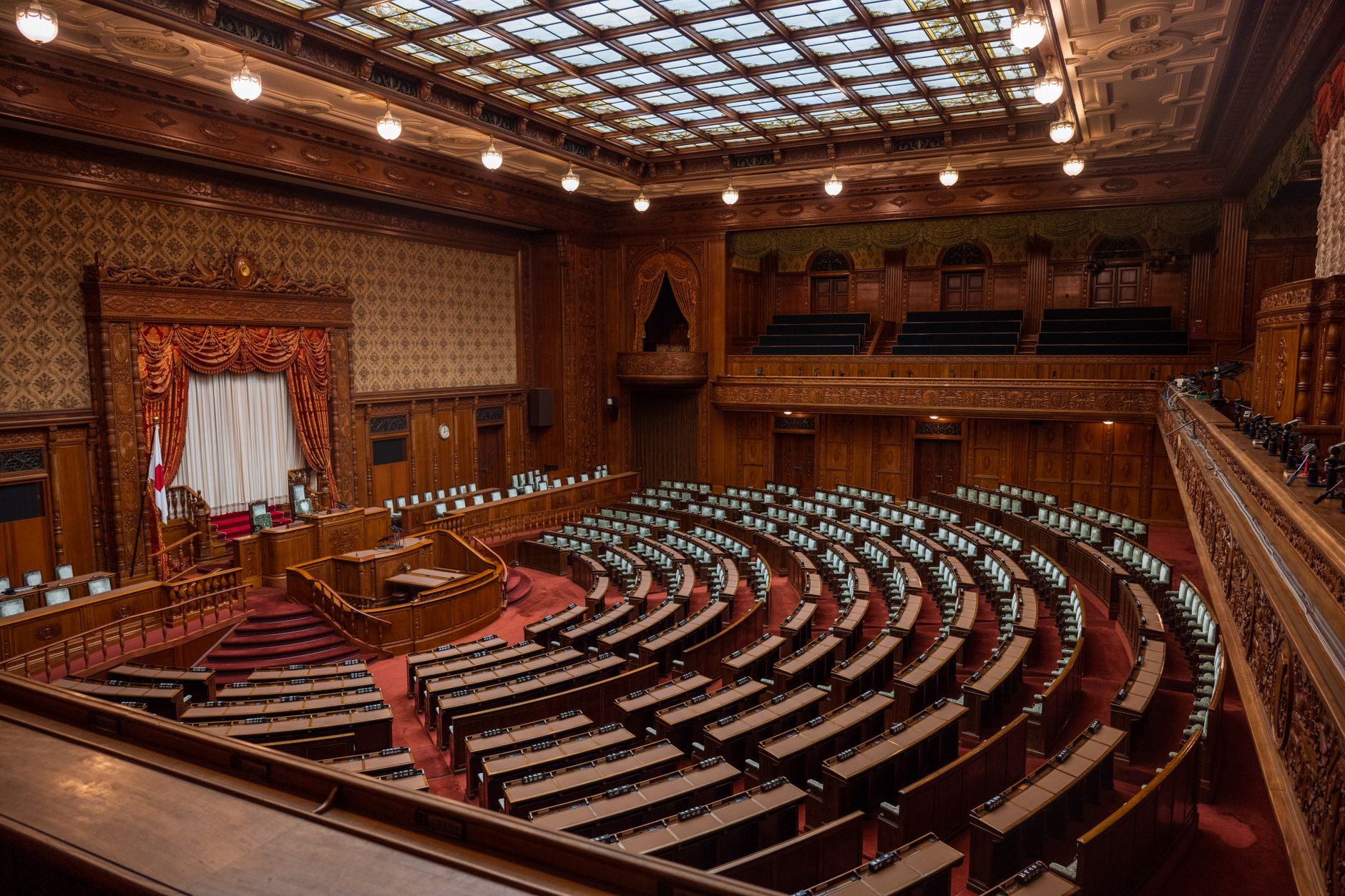
Kazakhstan’s newly elected unicameral parliament, the Kurultai, convened its inaugural session on Tuesday, triggering the constitutionally mandated resignation of the entire cabinet and opening a new chapter in the Central Asian nation’s political history.
A parliament born from constitutional change
The Kurultai replaces Kazakhstan’s former bicameral legislature — the Senate and Mazhilis — under sweeping constitutional reforms that took effect following last year’s referendum. It’s a significant structural shift, one that President Kassym-Jomart Tokayev has framed as part of his broader “New Kazakhstan” modernization agenda. The chamber seats 98 deputies elected through a mixed system combining party-list proportional voting with single-mandate constituencies, a format designed to encourage more direct representation.
The session opened in the capital, Astana, with deputies taking their oaths of office before electing a speaker to chair the body. The proceedings were broadcast live, and the atmosphere, by most accounts, was ceremonious but pointed — everyone in that hall understood what comes next.
Government resigns, as required by law
Within hours of the Kurultai’s first sitting, Prime Minister Alikhan Smailov submitted his cabinet’s resignation to the president, a procedural requirement under the new constitutional framework. The government doesn’t cease functioning immediately. It continues in a caretaker capacity until Tokayev nominates a new prime minister and the Kurultai approves the incoming cabinet.
That process could take several weeks.
“The formation of a new government will reflect the priorities of Kazakhstan’s development for the coming years,” a presidential administration spokesperson said in a brief statement released Tuesday afternoon, offering little in the way of specifics about timing or personnel.
What the new system actually changes
The shift from a bicameral to a unicameral structure isn’t purely symbolic. Critics of the old Senate had long argued it served as a rubber stamp stacked with presidential appointees and regional elites with little accountability. The Kurultai, at least in theory, concentrates legislative power in a single directly elected body. But skeptics aren’t convinced the reforms go far enough. Opposition figures and several international democracy watchdogs have pointed out that Tokayev’s executive branch retains considerable authority under the revised constitution.
Still, 19 of the 98 seats are reserved for candidates from underrepresented groups, including women, youth, and persons with disabilities — a provision its architects say will meaningfully diversify the legislature’s composition.
What happens next
Tokayev is expected to put forward a prime ministerial candidate within the coming days. The Kurultai must then hold a confirmation vote, and once a premier is approved, the full cabinet formation process begins. Political analysts in Astana are watching closely to see whether Smailov, who has led the government since January 2022, is reappointed or whether Tokayev uses the transition to bring in fresh faces.
Kazakhstan’s next budget cycle and a packed legislative calendar mean the new government won’t have much of a runway. It’ll need to hit the ground running.