Iran threatens ‘faster, heavier’ response to US military strikes
Iran has warned the United States of a “faster, heavier, and more painful response” if American forces carry out further military strikes, dramatically escalating tensions in the Gulf region after Washington confirmed it had targeted Iranian oil tankers in a retaliatory operation.
What happened
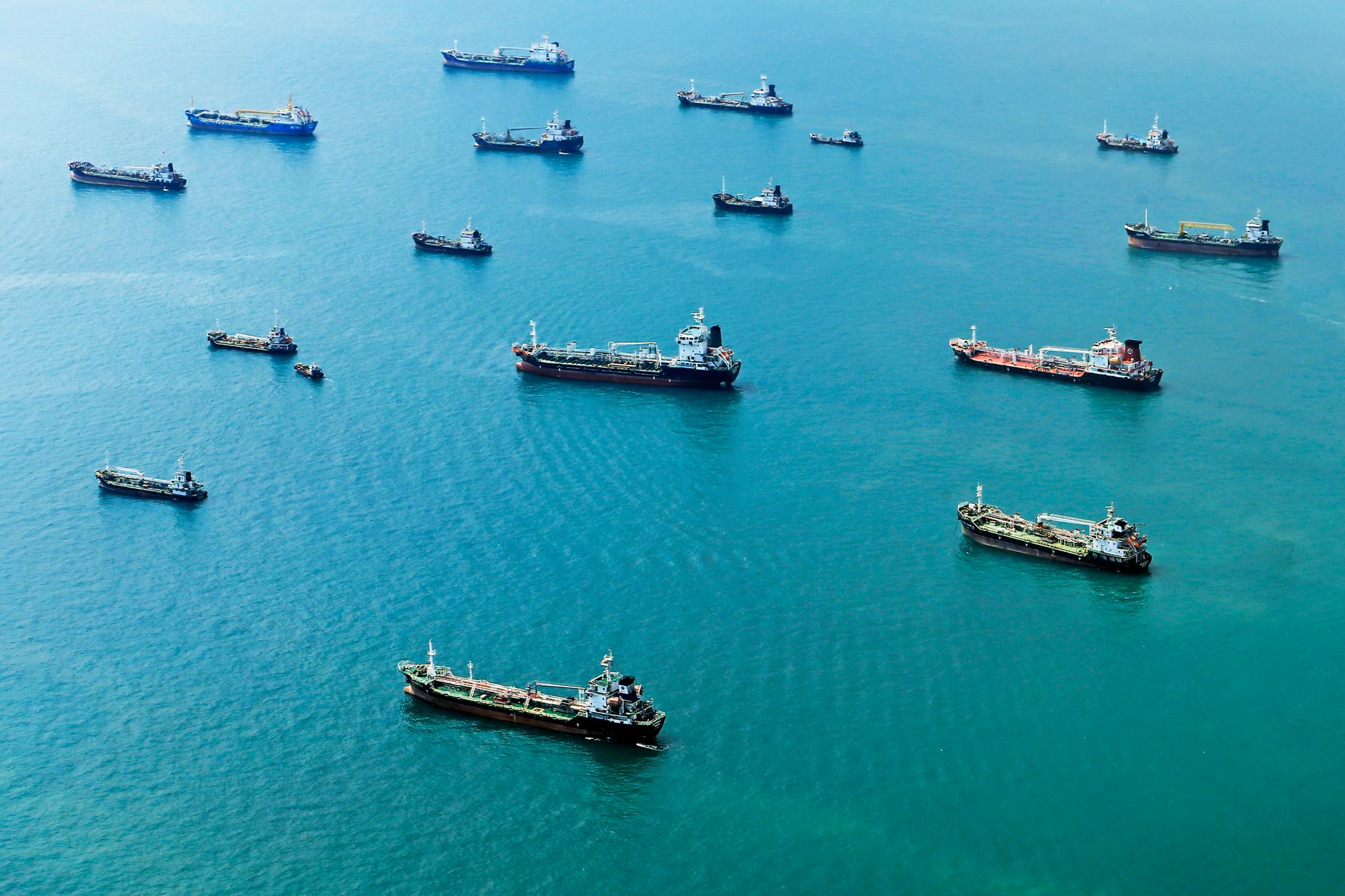
The stark warning came just 24 hours after the Pentagon announced it had struck at least two Iranian-linked oil tankers operating in Gulf waters. US officials said the strikes were a direct response to what they described as an ongoing campaign of Iranian attacks against American naval vessels in the region. Three US warships were targeted by Iran in the weeks prior, though none suffered catastrophic damage.
Iran’s military didn’t hold back. Senior commanders issued statements calling the American strikes a violation of international law and vowed that any further action would be met with a response that would dwarf anything Tehran has launched so far.
The rhetoric is sharpening fast
A spokesman for Iran’s Revolutionary Guard Corps told state media that the country’s forces were “fully prepared” and operating at maximum readiness. “The enemy has miscalculated,” the spokesman said. “Our response will come at a time and place of our choosing, and it will be decisive.”
That’s the kind of language that tends to make diplomats nervous. And it should. Both sides are now locked into a cycle of action and retaliation that shows no obvious off-ramp.
Still, analysts are divided on whether Iran’s threats are genuine preparation for escalation or a performance aimed at domestic audiences ahead of politically sensitive weeks in Tehran.
Oil markets already reacting
Global oil prices jumped roughly 4.2 percent in early trading following the exchange of strikes and counter-threats. The Strait of Hormuz, through which approximately 20 percent of the world’s oil supply passes daily, remains open but under heightened surveillance by US Navy assets. Shipping insurance rates for vessels transiting the Gulf have spiked by nearly 30 percent in the past 72 hours.
It’s not just oil. Regional shipping companies are already rerouting cargo vessels, adding thousands of miles to standard routes.
Where this goes next
Washington hasn’t publicly ruled out additional strikes. Senior administration officials told reporters they reserved the right to take “further necessary action” to protect American military personnel and assets in the region. But they stopped short of announcing any specific next steps, likely aware that each move now carries the real risk of triggering something much larger.
Diplomatic back-channels between the two countries, never particularly robust, appear to have gone quiet entirely.
With Iranian military commanders publicly pledging retaliation and the US maintaining a visible naval presence in the Gulf, the window for de-escalation is narrowing by the day. Whether either side blinks first — or whether the next 72 hours bring another strike — remains the urgent and unsettling question hanging over the region.