AfD demands coalition talks after narrow state election victory
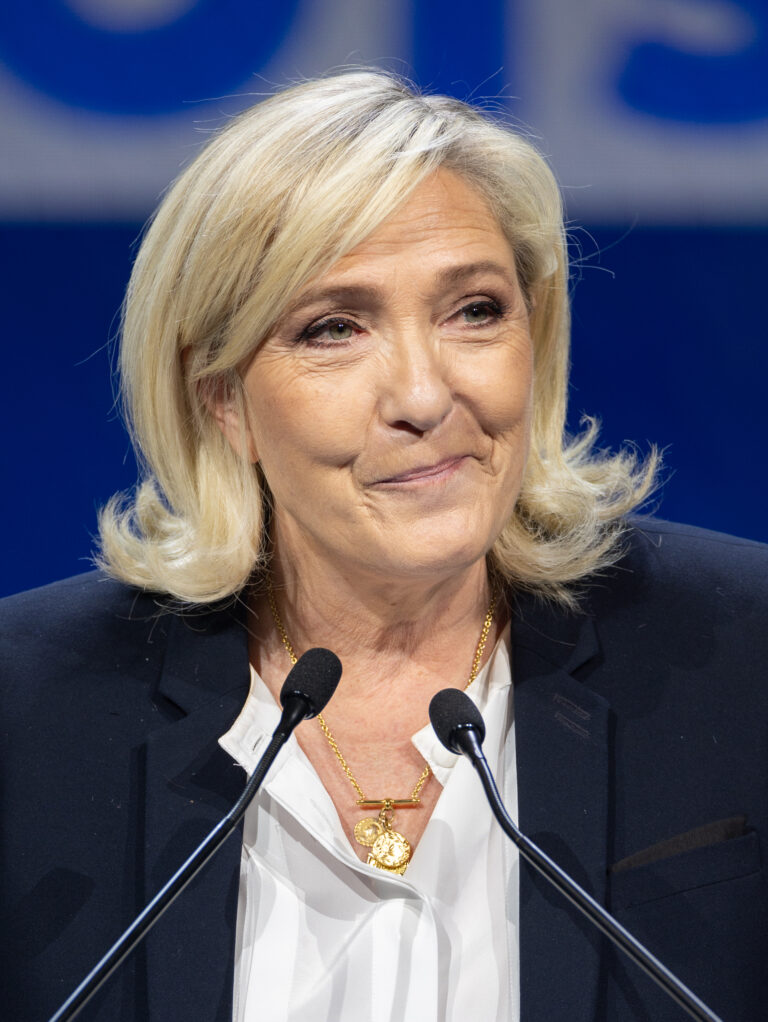
Germany’s far-right Alternative für Deutschland party is pushing other political parties to negotiate a governing coalition with them following a state election win that left them just three seats short of an outright majority. The AfD argues that democratic principles require rival parties to come to the table — a demand that’s been met with swift and firm rejection across the political spectrum.
A win, but not a mandate
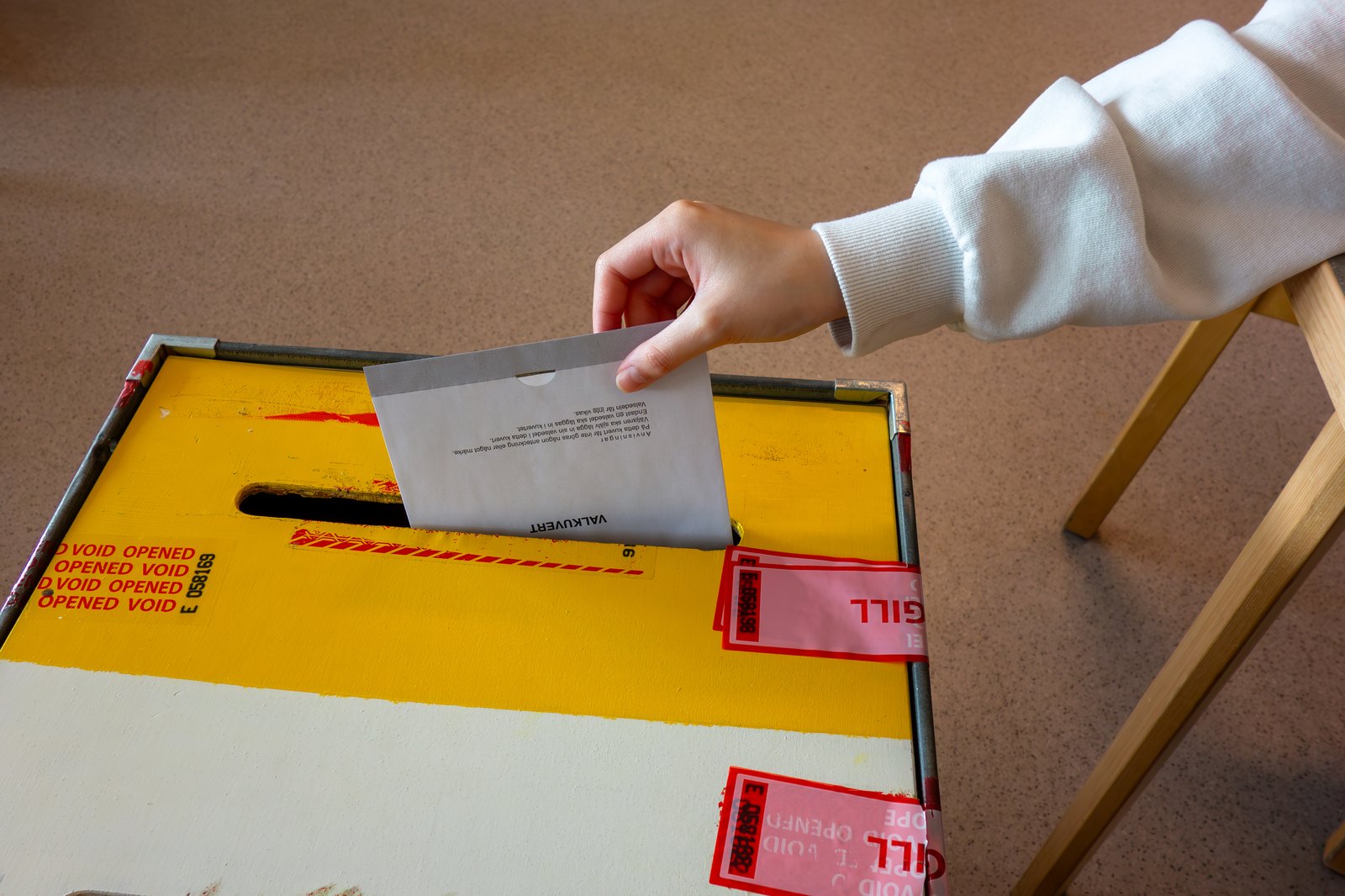
The AfD secured roughly 32 percent of the vote in the state election, finishing first but well clear of the threshold needed to govern alone. With 47 seats in the state parliament against the 50 required for a majority, the party needs at least one coalition partner. Party leaders wasted no time framing their situation as a democratic obligation for others. “Democracy demands that the will of the voters be respected,” a senior AfD official said at a press conference following the results. “Refusing to work with us is refusing to work with the people.”
But that argument isn’t landing. The major established parties — the center-right CDU, the Social Democrats, and the Greens — have all maintained their longstanding position of refusing any formal cooperation with the AfD. It’s a firewall that’s been in place for years, and none of them appear ready to tear it down now.
Why other parties won’t budge
The refusal isn’t just political posturing. Germany’s domestic intelligence agency has previously classified the AfD as a suspected extremist organization in several states, a designation that carries real weight in coalition discussions. Critics point to the party’s positions on immigration, its skepticism toward NATO commitments, and statements from some of its leading figures that have drawn comparisons to pre-war nationalist rhetoric.
Still, the AfD’s performance is hard to ignore. Finishing first in a state election with nearly a third of the vote isn’t a fringe result anymore. It reflects a deep and growing frustration with mainstream politics, particularly over immigration policy, energy costs, and a German economy that’s been struggling with stagnation for two consecutive years.
What happens next
The practical problem now is who actually forms a government. Without the AfD, the remaining parties will need to cobble together a three-way coalition, which brings its own complications. Negotiations between parties with sharply different economic and social priorities can drag on for weeks, sometimes months.
The clock is ticking, and the pressure is real.
There’s also a broader national dimension here. Federal elections are approaching, and the AfD has been polling at around 20 percent nationally. Every state result gets read as a temperature check on the party’s momentum — and this one will likely energize its base heading into the next campaign cycle. Whether the firewall holds at the federal level is now a question that German politics can’t keep pushing aside.