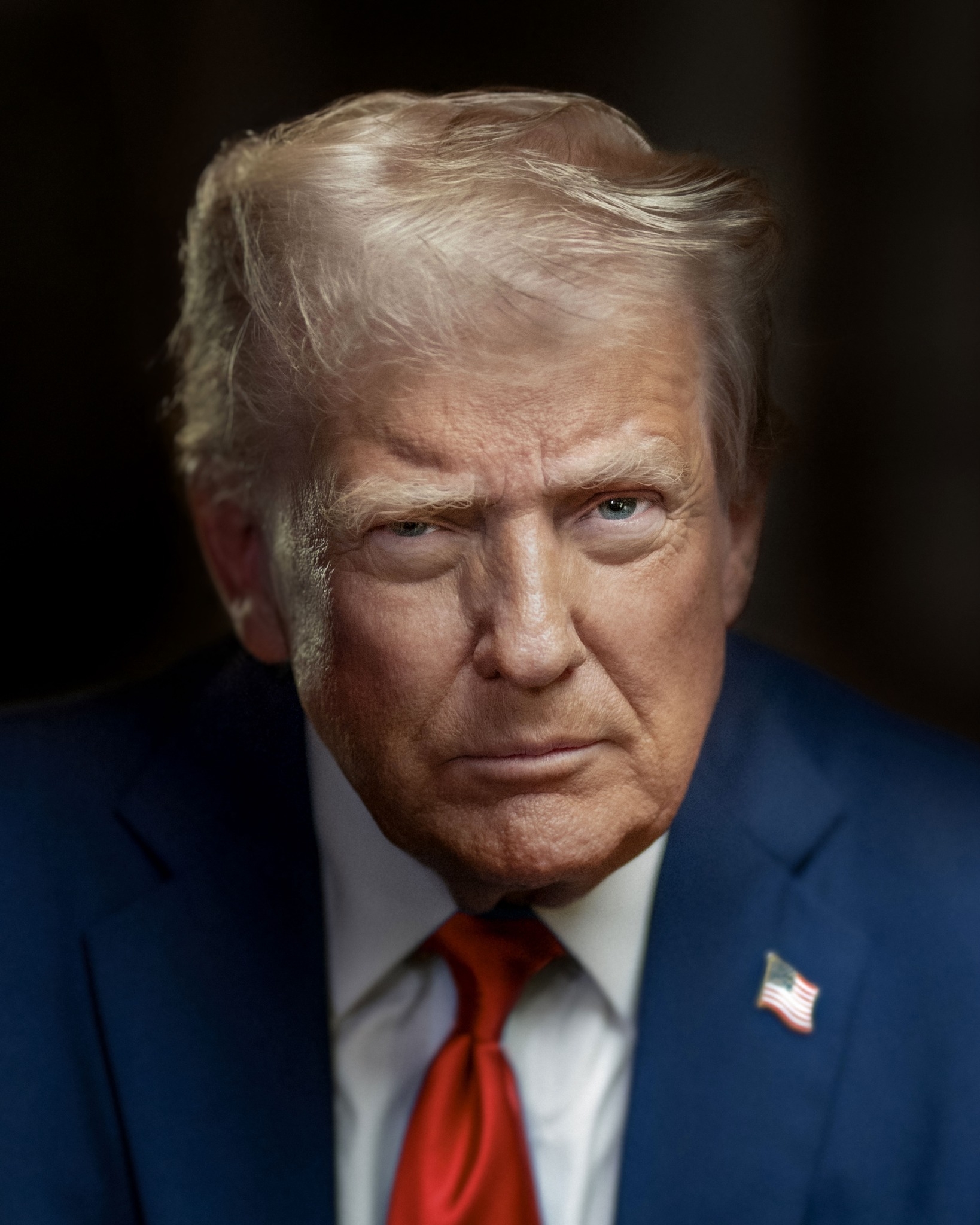
Trump’s $5,000 ‘dividend’ pledge: What Americans need to know
President Donald Trump dropped a striking promise Wednesday, vowing to send a $5,000 “Trump dividend” check to every American adult if Republicans hold onto both chambers of Congress in the November midterm elections. The announcement sparked immediate confusion, skepticism, and more than a few questions about where, exactly, the money would come from.
What Trump actually said
Speaking at a rally, Trump framed the payment as a reward — essentially a share of savings his administration claims to have generated through federal spending cuts and efficiency drives. He didn’t offer a detailed breakdown of the math. The pledge targets every US adult, which would potentially involve payments to roughly 260 million people. Do the arithmetic and you’re looking at a price tag somewhere north of $1.3 trillion.
That’s not a small number. That’s larger than the entire annual budget of most federal departments combined.
Where would the money come from?
The White House hasn’t provided a formal funding mechanism. Trump suggested the money would be drawn from government savings — a nod to the cost-cutting efforts championed by figures like Elon Musk and the Department of Government Efficiency, known as DOGE. But budget analysts aren’t buying the premise. Independent economists say documented DOGE savings fall dramatically short of what would be needed to fund a payout of this scale.
“There’s no credible accounting that gets you anywhere close to $1.3 trillion in verified savings,” said one senior budget policy analyst who tracks federal spending. “The numbers simply don’t reconcile.”
And Congress controls the purse strings — not the president. Any such payment would require legislation, meaning even a Republican majority would need to actually pass a bill.
Is this legally or politically realistic?
Short answer: it’s complicated. Presidents can’t unilaterally write checks to citizens without congressional authorization. So even if Republicans sweep the midterms on November 3 and Trump retains allies in both the House and Senate, the proposal would still need to clear significant legislative hurdles. Some Republican lawmakers have already signaled caution, wary of a promise that could blow up the deficit at a time when debt concerns are already politically charged.
Democrats quickly called the pledge a campaign stunt. Still, the political impact of the announcement shouldn’t be underestimated. A direct cash promise resonates with voters, whatever its feasibility.
What happens next
November 3 is the immediate deadline. If Republicans lose one or both chambers, Trump has already built himself an exit ramp — the dividend was conditional on a GOP victory. If they win, the pressure to deliver will mount fast, and the administration will face hard questions it hasn’t yet answered.
Watch for the White House to release more details — or quietly let the pledge fade into the background. Either way, $5,000 is a number that’s now lodged firmly in voters’ heads heading into election day.