Trump calls rogue AI fears a ‘sick conspiracy’ as tech scrutiny grows
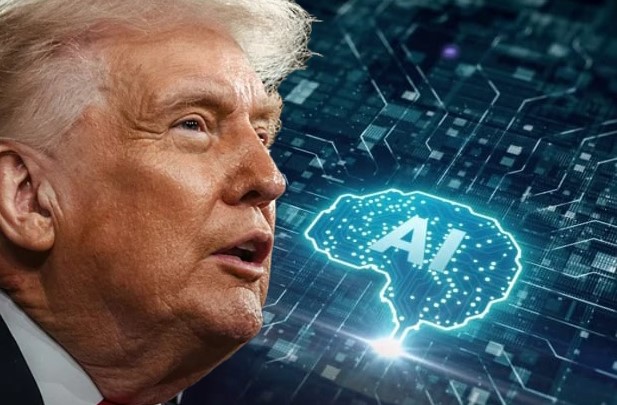
President Donald Trump on Monday dismissed warnings about the dangers of artificial intelligence, calling fears over rogue AI a “hoax” driven by what he described as a “sick conspiracy” — a statement that landed like a grenade in an already heated national debate over how to govern one of the most transformative technologies in human history.
A sharp break from the tech safety movement
Trump’s remarks came as AI regulation has become an increasingly urgent flashpoint in Washington. Over the past 18 months, more than 30 major technology companies have signed voluntary safety commitments, and several prominent AI researchers have testified before Congress warning that unchecked systems could pose serious risks to critical infrastructure, financial markets and national security.
But Trump wasn’t buying it. He framed the safety movement as a ploy by political enemies and globalist interests to slow down American innovation and cede ground to competitors — particularly China. “They want to scare you,” he told supporters at a Monday event. “It’s a hoax, just like all the other hoaxes.”
The White House did not provide a detailed policy statement to accompany the remarks. Still, aides confirmed the president’s position is consistent with his broader push to roll back AI-related executive orders signed under the Biden administration in 2023, which had required federal safety testing for AI models above certain capability thresholds.
Tech industry caught in the crossfire
The reaction from Silicon Valley was mixed and, in some corners, cautious. Several major AI developers have poured billions into safety research — Google DeepMind alone reported spending over $300 million on safety-related programs in 2024. For them, Trump’s language creates an uncomfortable public relations problem.
“Responsible development and strong national competitiveness aren’t mutually exclusive,” said one senior official at a leading AI research organization, who asked not to be named given the political sensitivity. “You can build fast and still build carefully.”
And that’s a distinction Trump apparently doesn’t accept. His administration has signaled it wants to strip away what it sees as bureaucratic drag on AI development, freeing companies to move faster without federal oversight slowing them down.
The real-world stakes are enormous
The debate isn’t abstract. AI systems are already embedded in hiring platforms, loan approvals, hospital diagnostics and military targeting software. Cybersecurity firms reported a 62 percent increase in AI-assisted cyberattacks in 2024 compared to the previous year. Data centers powering large AI models now consume roughly 1.5 percent of total U.S. electricity — a figure projected to triple by 2030.
Jobs are another fault line. The International Monetary Fund estimated last year that AI could affect up to 40 percent of jobs globally, with advanced economies feeling the disruption most acutely.
So the political temperature around AI isn’t going down anytime soon. With midterms on the horizon and AI regulation shaping up as a defining policy battle, Trump’s combative stance virtually guarantees the fight will only intensify — and that lawmakers, tech executives and foreign governments will be watching every move closely.