EU hantavirus preparedness: Parliament and Commission assess response after MV Hondius outbreak
The European Parliament and Commission convened on 21 May to evaluate the EU’s health emergency response mechanisms following a hantavirus outbreak aboard the MV Hondius cruise vessel in late April 2026, with lawmakers pressing for enhanced cross-border coordination and increased funding for the bloc’s recently established health authority.
The outbreak, which occurred as the vessel operated in European waters, has prompted fresh scrutiny of the Union’s preparedness for emerging zoonotic threats and raised questions about whether port surveillance protocols across member states remain adequate for detecting disease outbreaks linked to maritime travel.
Commissioner Presents Action Plan
Commissioner Olivér Várhelyi outlined a comprehensive action plan during the parliamentary session, focusing on expanded vessel inspection capabilities and substantial new investments in zoonotic disease surveillance. The proposal marks the Commission’s most significant response to maritime-linked health emergencies since the establishment of the Health Emergency Preparedness and Response Authority, commonly known as HERA.
“The MV Hondius incident has demonstrated that our health security is only as strong as our weakest link,” Várhelyi told MEPs. “We must ensure that every port of entry in the European Union maintains the highest standards of surveillance and response.”
The action plan would require member states to enhance their inspection protocols for passenger vessels, with particular attention to potential vectors of zoonotic diseases that can transmit from animals to humans.
Cross-Border Coordination Under Scrutiny
Members of the European Parliament raised pointed concerns about the effectiveness of cross-border health emergency coordination, highlighting potential gaps in information sharing between member states when the outbreak was first detected. The debate revealed tensions over whether existing mechanisms under the EU’s health security framework proved sufficient when rapid response was required.
Several MEPs questioned whether national authorities had communicated effectively during the critical early stages of the outbreak, when the vessel may have been in contact with multiple ports. The discussion underscored longstanding challenges in harmonising health emergency responses across the bloc’s 27 member states, each of which retains primary competence over its own healthcare systems.
HERA Funding Debate Intensifies
The outbreak has amplified calls from Parliament for increased funding to HERA, the authority created in the aftermath of the COVID-19 pandemic to bolster the EU’s capacity to respond to cross-border health threats. Critics have argued that the authority, whilst ambitious in scope, has faced resource constraints that limit its operational effectiveness.
Budgetary discussions have taken on fresh urgency as MEPs from multiple political groups pressed the Commission to provide HERA with adequate resources to fulfil its mandate. The authority’s responsibilities include coordinating medical countermeasure development, maintaining strategic reserves, and supporting member states during health emergencies.
The question of long-term sustainable funding for EU-level health preparedness mechanisms is expected to feature prominently in forthcoming budgetary negotiations, with the MV Hondius outbreak serving as a focal point for advocates of enhanced EU health competences.
Port Surveillance Protocols in Question
The incident has exposed potential vulnerabilities in port surveillance systems designed to detect and contain disease outbreaks before they spread beyond points of entry. Current protocols vary considerably across member states, leading to concerns about whether a patchwork approach can adequately protect against emerging infectious disease threats.
The Commission’s proposed measures would seek to standardise certain aspects of port health surveillance whilst respecting member state competences. This includes developing common guidelines for vessel inspections, training programmes for port health officials, and enhanced laboratory capacity for rapid pathogen identification.
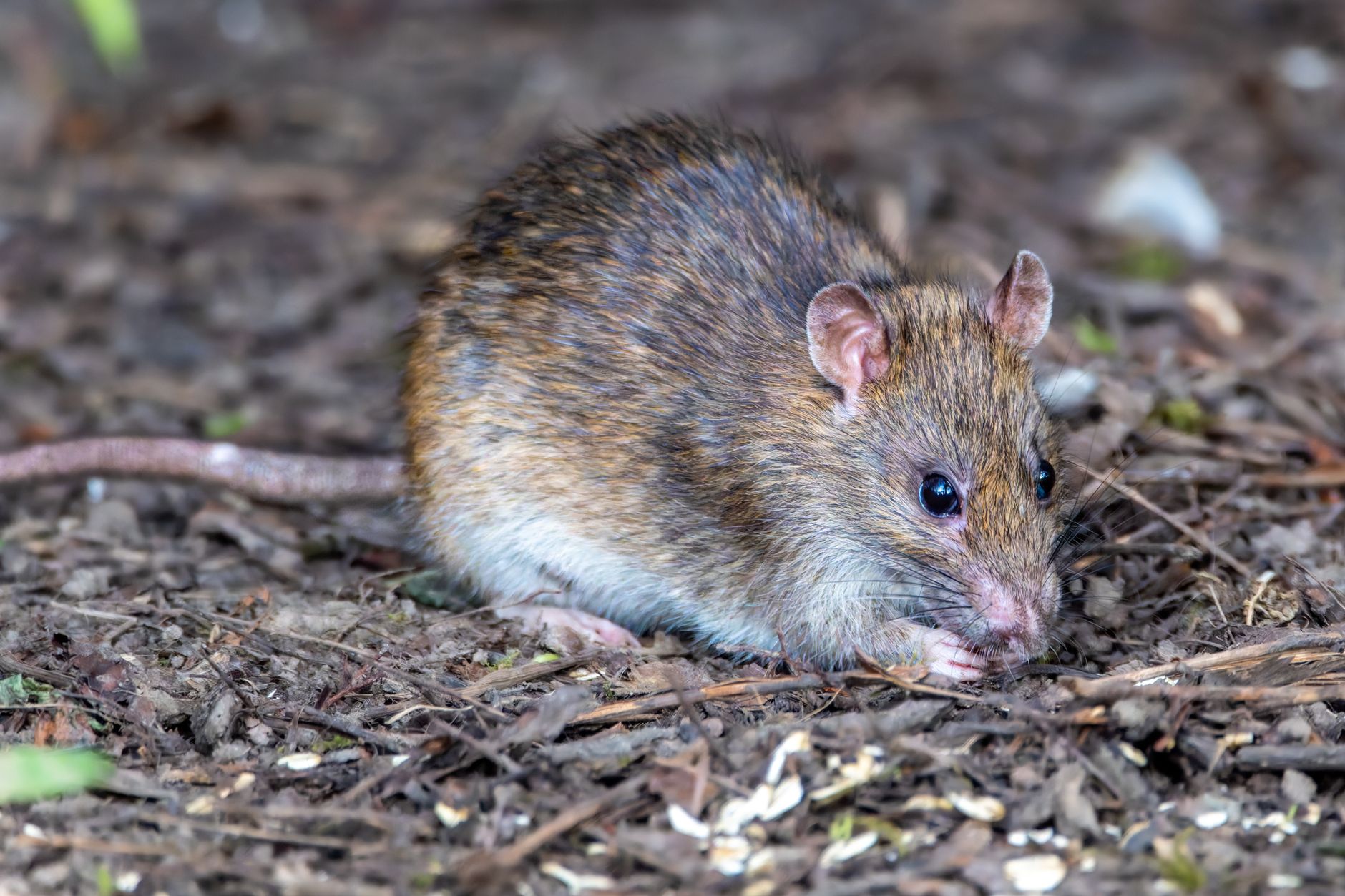
Health experts have emphasised that hantavirus, whilst typically associated with rodent populations, can pose risks in confined environments such as cruise vessels where human-animal contact may occur through contaminated surfaces or aerosolised particles.
Looking Ahead
As the Commission moves forward with its action plan, implementation will require both political will and financial commitment from member states. The Parliament is expected to maintain