Russia and China veto UN resolution to monitor Iran nuclear sanctions
Russia and China have killed a US-backed effort to keep a United Nations expert panel watching over Iran’s compliance with international nuclear sanctions, dealing a significant blow to Western oversight mechanisms that have been in place for years.
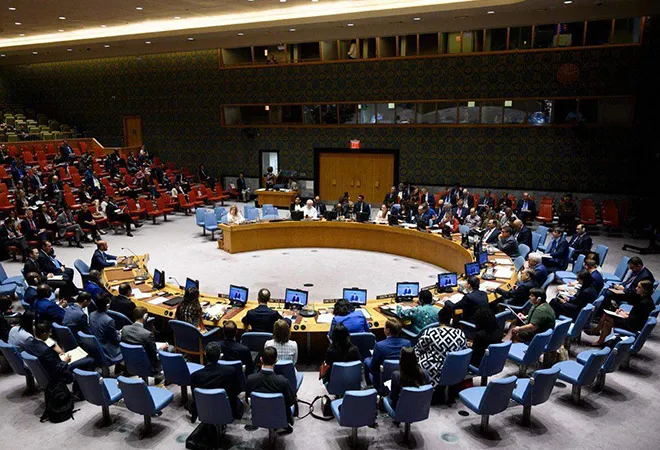
The Security Council vote on Wednesday ended 11-2 in favor of the resolution — well above the threshold needed for passage — but it didn’t matter. The dual vetoes from Moscow and Beijing sank the proposal outright. Somalia and Pakistan abstained. The expert panel, whose mandate the resolution would have renewed for another 12 months, now faces dissolution.
What the panel actually did
The group of independent experts has long been the UN’s primary tool for tracking violations of sanctions on Iran, investigating arms transfers, monitoring ballistic missile activity, and flagging attempts to circumvent financial restrictions. It’s not a flashy body. But it’s been a critical one. Losing it leaves a significant gap in the international community’s ability to verify whether sanctions are actually working.
A senior Western diplomat, speaking on condition of anonymity, called the vetoes “a deliberate act of sabotage” and warned that the decision would embolden actors looking to exploit weakened enforcement structures.
The geopolitical calculation behind the vetoes
Neither Russia nor China made much effort to disguise their reasoning. Both countries have deepened economic and strategic ties with Tehran in recent years. Russia has relied on Iranian-made drones in its war in Ukraine. China has quietly expanded oil imports from Iran, largely sidestepping Western sanctions. Killing the panel removes a mechanism that could document and publicize those relationships.
This isn’t a procedural dispute. It’s a direct challenge to the sanctions architecture the West has built around Iran’s nuclear program.
With the panel’s future now uncertain, Washington and its European allies will need to decide fast whether bilateral monitoring efforts or alternative multilateral frameworks can fill the void — and whether they realistically can.