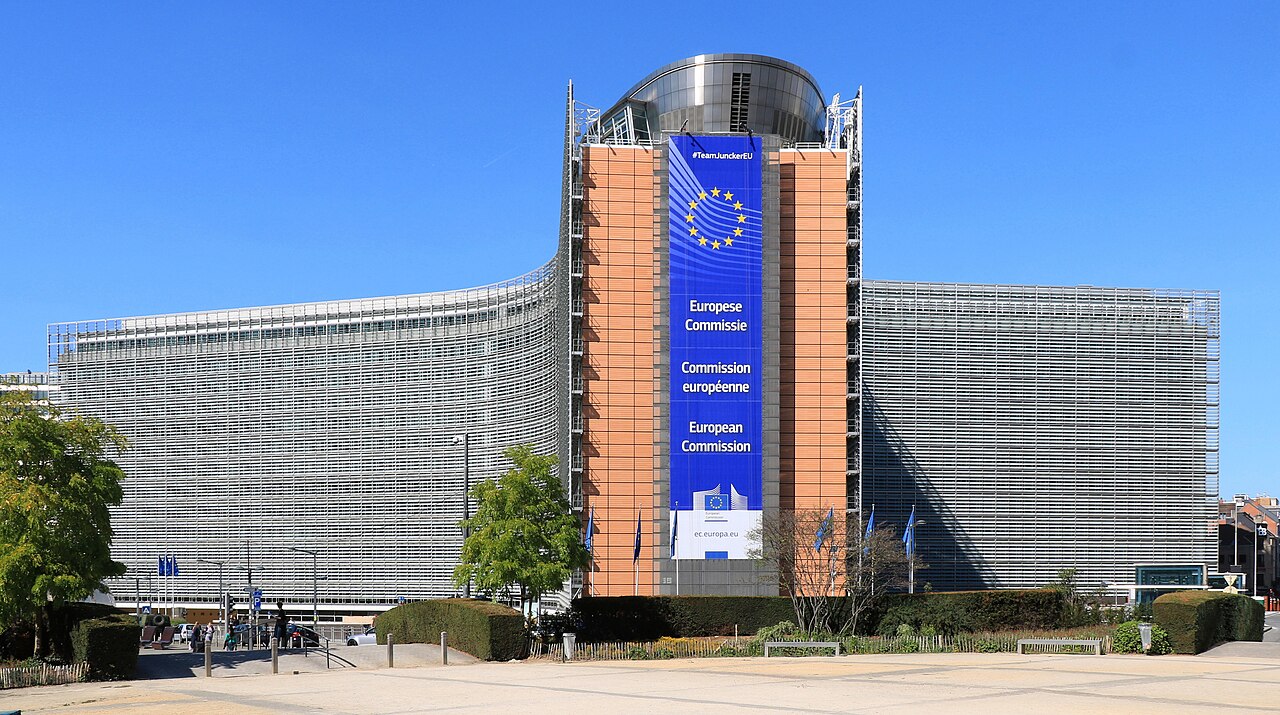
State of the Union 2026: European Commission sets agenda
The European Commission is preparing its annual State of the Union address for 2026, a pivotal moment that will define the bloc’s legislative priorities heading into one of the most consequential stretches in recent EU history. With wars on Europe’s doorstep, a fragile economy, and a restless electorate, this year’s address carries unusual weight.
What’s on the table
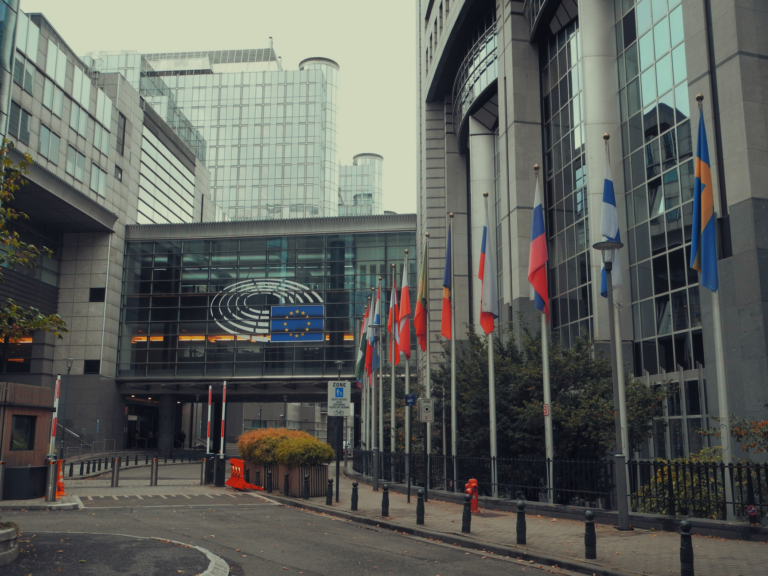
Commission President Ursula von der Leyen is expected to outline a sweeping agenda that touches on defense spending, green industrial policy, and digital sovereignty. Sources close to the Commission say the speech will propose a €150 billion competitiveness package aimed squarely at closing the innovation gap with the United States and China. That’s a significant escalation from previous years’ commitments, and it signals that Brussels is done playing catch-up quietly. But the real test will be whether member states agree to foot the bill. Several net-contributor countries have already signaled resistance to new common debt instruments.
And that tension isn’t going away anytime soon.
Defense and geopolitical pressure
Security is expected to dominate at least a third of the address. With NATO allies pressing European members to hit 3% of GDP in defense spending — up from the previous 2% benchmark — the Commission faces pressure to present a credible, coordinated European defense posture. “We cannot continue to rely on goodwill alone,” said one senior EU official, speaking on condition of anonymity ahead of the formal address. “The geopolitical environment demands institutional answers.”
A proposed European Defense Investment Mechanism, still in early drafting stages, could unlock joint procurement across 12 or more member states. Still, critics argue that without treaty changes, such mechanisms remain more symbolic than structural.
Social and democratic commitments
Von der Leyen is also set to address democratic backsliding within the EU itself — a tacit acknowledgment that internal cohesion isn’t guaranteed. Proposals are expected to include new safeguards for judicial independence, funding mechanisms tied to rule-of-law compliance, and a renewed push on affordable housing, where urban costs have risen by an average of 34% across major EU cities since 2019. Youth unemployment in southern member states remains above 25% in several regions. Those numbers aren’t just statistics — they’re a political warning sign.
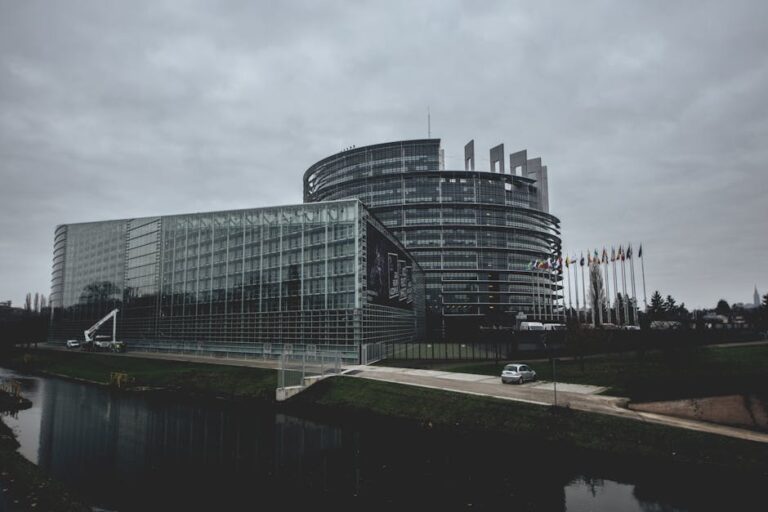
The 2026 State of the Union address is scheduled for September, when the European Parliament reconvenes in Strasbourg. Whatever von der Leyen announces, the months that follow will reveal whether ambition and authority are actually aligned in Brussels.