Week ahead in Brussels: Competitiveness Council 28-29 May, EIC Summit, and the road to the 23-24 June European Council
Brussels enters one of the busiest institutional weeks of the spring on Thursday 28 May 2026, with the Competitiveness Council convening at the Europa building under the Cypriot presidency, the European Innovation Council Summit running in parallel, and the political ground being laid for the 23-24 June European Council. The cumulative agenda touches on industrial policy, the single market, research funding, AI governance and the broader Draghi-inspired competitiveness reset.
Competitiveness Council, 28-29 May
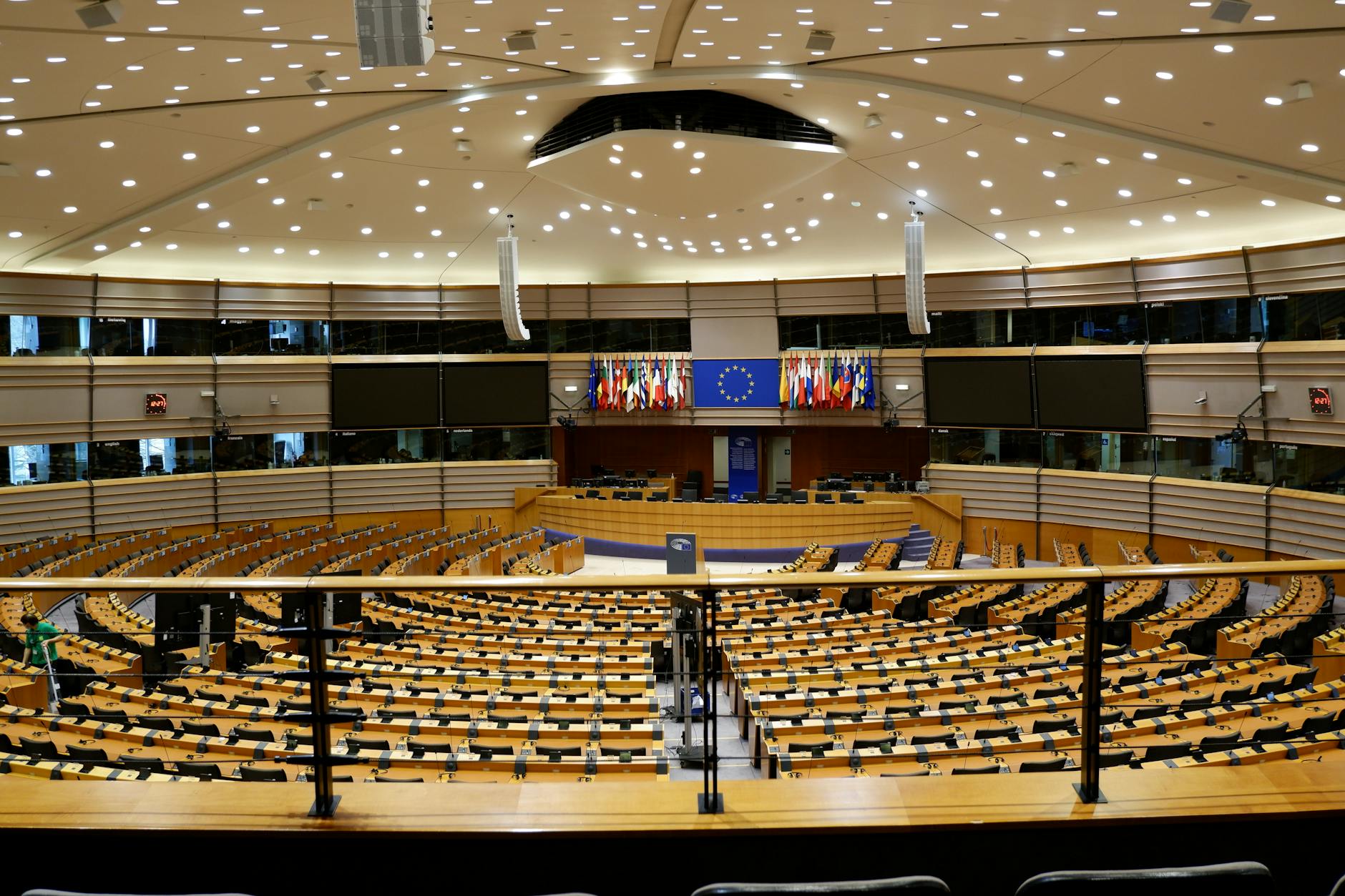
The 62nd Competitiveness Council kicks off on Thursday 28 May at 09:30 in the Europa building, in 2+2 format under the chair of Cypriot Minister Michael Damianos. The opening day focuses on Internal Market and Industry, with the headline file being the so-called “EU Inc” — the proposed 28th company regime that would create a unified pan-European corporate vehicle. The European Trade Union Confederation (ETUC) has called on ministers to halt the file pending robust safeguards on workers’ rights. Day two, on 29 May, switches to Research and Space, with Horizon Europe mid-term assessment and the EU Space Programme implementation high on the agenda.
European Innovation Council Summit
Running in parallel from 28 May, the European Innovation Council Summit 2026 brings together leaders from research, enterprise, venture capital and public institutions to discuss the Union’s AI investment trajectory and the Western Balkans innovation integration agenda. The summit, hosted at the Square Brussels Convention Centre, is expected to draw more than 2,500 delegates over three days, with keynote speakers from Commissioner Wopke Hoekstra to senior figures at ESA and the European Investment Fund. The headline panel on 28 May focuses specifically on financing the EU AI continent strategy.
Hoekstra’s external programme
Commissioner Hoekstra will use the week to receive Igor Červený, the head of the Slovak delegation to the European Innovation Council, for a working session on Central European innovation integration. The bilateral takes place against the backdrop of growing concern in Brussels about the divergence between the EU’s western and eastern innovation hubs — a divergence the Commission’s mid-term Horizon Europe assessment is expected to address frontally.
EU-Australia Circular Talk
On the morning of 28 May, an EU Circular Talk on the Union’s evolving partnership with Australia will be held at the Berlaymont. The session, scheduled for 08:30 to 10:30, will examine how trade negotiations, climate commitments and supply-chain resilience are reshaping the bilateral relationship. The Australian Minister for Trade and Tourism is expected to address the meeting via video link. The trade talks have been periodically reanimated since 2024 and are now seen by both sides as a strategic priority in light of the Trump administration’s tariff posture.
European Economic Area Council 27 May
The week formally opened on Wednesday 27 May with the 62nd EEA Council meeting in Brussels, also chaired by Michael Damianos. The agenda covered the implementation of the EEA Agreement, the integration of EU acts into the EEA legal framework, and a political dialogue on Ukraine — which directly fed into the diplomatic flare-up between EU capitals and Moscow on the same day. The Joint Communiqué adopted on Wednesday reaffirmed the EEA’s unconditional support for Ukraine’s territorial integrity.
Road to the European Council 23-24 June
This week’s ministerial agenda is shaped by the looming European Council on 23-24 June, where heads of state and government will need to take political decisions on three converging files: the proposed 16 June opening of the first negotiating cluster with Ukraine and Moldova; the next phase of the EU defence financing roadmap; and the mid-term review of the 2021-2027 MFF. Coreper preparations begin in earnest from Monday 2 June, and the General Affairs Council on 16 June will formally adopt the European Council conclusions draft.
The competitiveness reset
Underpinning the entire week is the broader competitiveness reset launched by the Commission in 2025 in the wake of the Draghi report. The Commission’s Q1 2026 progress report, published last week, showed mixed results: regulatory simplification is advancing rapidly, but capital markets union remains stalled, and the AI continent strategy faces implementation gaps in member states. The Competitiveness Council on 28-29 May is the first formal political opportunity for ministers to address these implementation gaps collectively rather than in bilateral conversations with the Commission.
Ukraine accession on the side
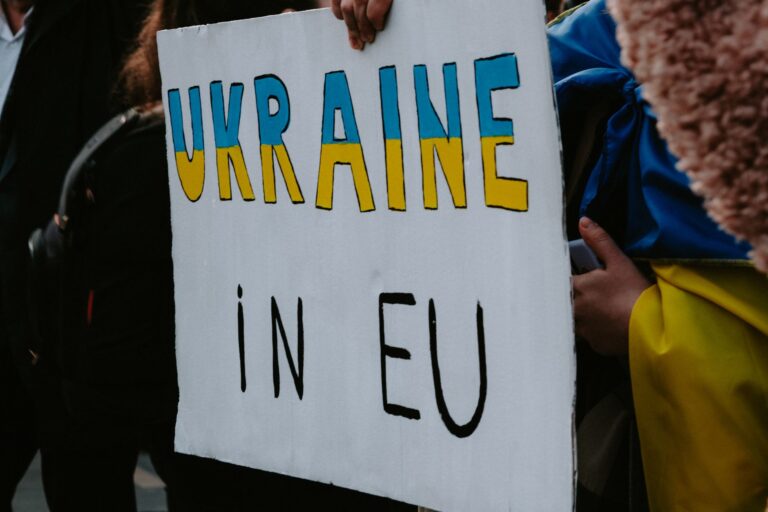
While the Competitiveness Council’s formal agenda is industrial, the 16 June Ukraine accession proposal will inevitably feature in side conversations. Several member state delegations have requested informal margins discussions, and the Polish, Lithuanian and Estonian foreign ministries are jointly circulating a non-paper arguing for swift institutional follow-through. The Hungarian delegation, by contrast, is expected to use the margins to consolidate its veto threat.
What else to watch
Beyond the official agenda, three items deserve close attention. First, the EU’s response to the Iran-US framework — if confirmed — will require rapid coordination, with the Foreign Affairs Council in informal “Gymnich” format scheduled for 30-31 May in Cyprus. Second, the APPF recommendation against Europe of Sovereign Nations will move into formal Council consultation procedures. Third, market participants will closely monitor any ECB pre-positioning ahead of the 11 June Governing Council, particularly in light of the dramatic oil price moves on 27 May.