
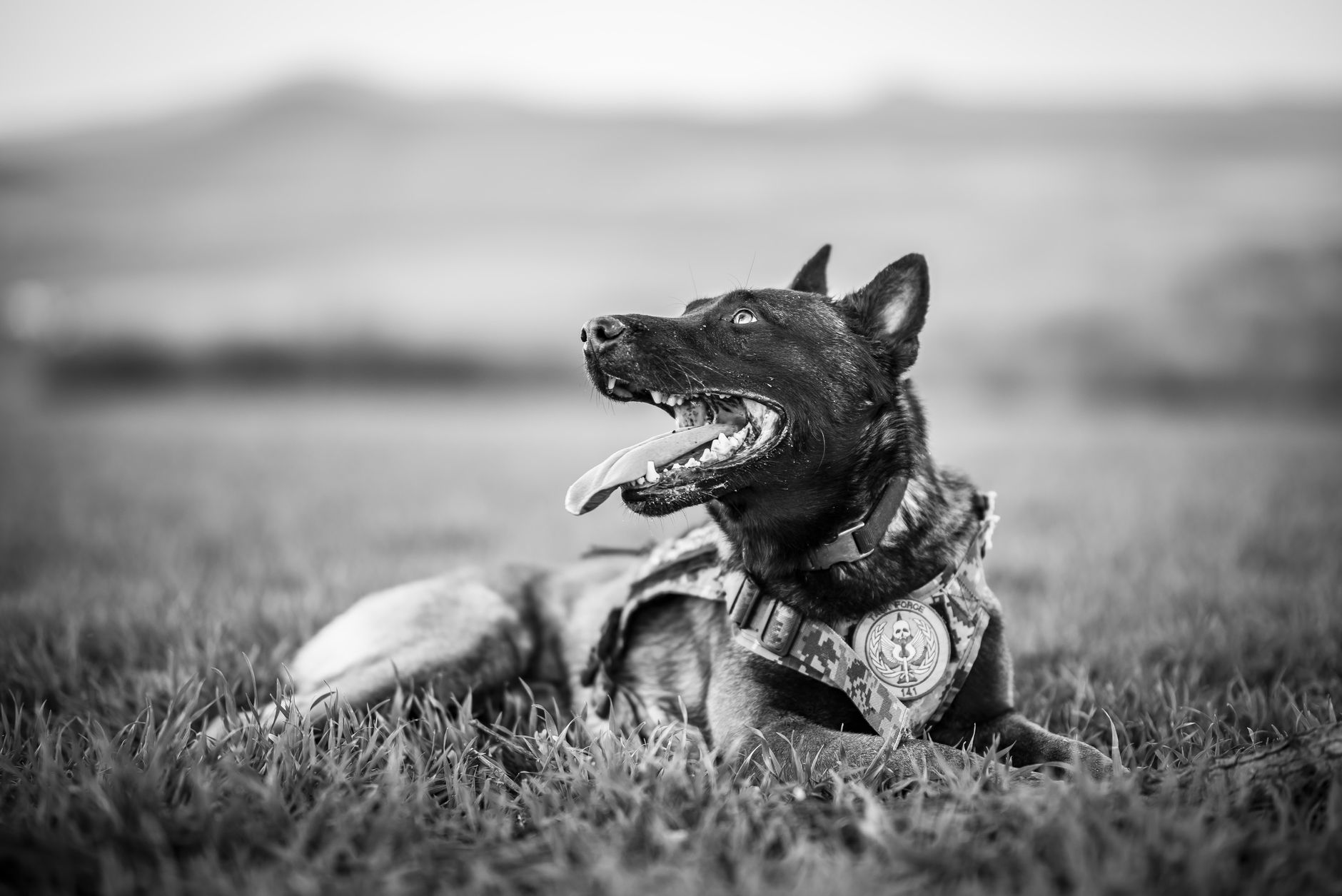
Belgian shepherd dogs become go-to breed for global security forces
The Belgian shepherd has quietly overtaken the German shepherd as the preferred working dog for police units and military forces across Europe and beyond, driven by the breed’s extraordinary agility, intelligence, and raw drive. Nicknamed the ‘fur missile’ by handlers who’ve watched one lock onto a target at full sprint, the Malinois — as the most common variant is known — is now deployed in dozens of countries, from NATO special operations units to urban SWAT teams.
A breed built differently
The Malinois isn’t just fast. It’s relentless. Where a German shepherd might assess a situation, a Malinois has already committed. Handlers describe the breed as operating at a different intensity level entirely — higher prey drive, faster reaction time, and a physical frame that’s leaner and built for sustained pursuit. They typically weigh between 25 and 30 kilograms, compared to the German shepherd’s 30 to 40, making them easier to deploy from helicopters or transport in compact vehicles. And they recover faster between tasks, which matters enormously on extended operations.
Belgium’s own federal police have been using the breed for decades, but demand has surged internationally since the late 2000s. U.S. Special Operations Command expanded its Malinois program significantly after the breed gained public attention when a dog named Cairo assisted in the 2011 raid that killed Osama bin Laden.
Training programs struggling to keep up
Supply is becoming a genuine problem. Certified working-line Belgian shepherds can sell for €10,000 to €25,000, and top-tier trained dogs from established European kennels routinely fetch more. Waiting lists at accredited training facilities in the Netherlands, Belgium, and the Czech Republic now stretch 18 months or longer.
Demand isn’t slowing down.
“We’ve seen a 40 percent increase in procurement requests from partner nations over the past three years,” said a spokesperson for a European police training consortium. “The Malinois has simply become the operational standard.”
Not without controversy
But the breed’s intensity cuts both ways. Animal welfare advocates have raised concerns about what they describe as a pipeline that produces dogs psychologically unsuited for civilian life once their service ends. Rehoming a retired military Malinois isn’t easy. The same drive that makes them exceptional in the field can make them dangerous in domestic environments without rigorous ongoing stimulation and structure.
Several European countries are now funding post-service programs specifically designed to transition working dogs into carefully vetted adoptive homes, with Germany and the Netherlands leading those efforts.
What comes next
Researchers in robotics have taken note, too. Some defense agencies are studying Malinois movement patterns to improve agility algorithms in quadruped robots — a strange tribute to how effective the animal genuinely is. Still, handlers are quick to point out that no machine yet replicates the dog’s ability to read human behavior, adapt in real time, or make judgment calls mid-pursuit. For now, the fur missile isn’t going anywhere.