Can Andy Burnham sustain the ‘hope vibe’ as PM?
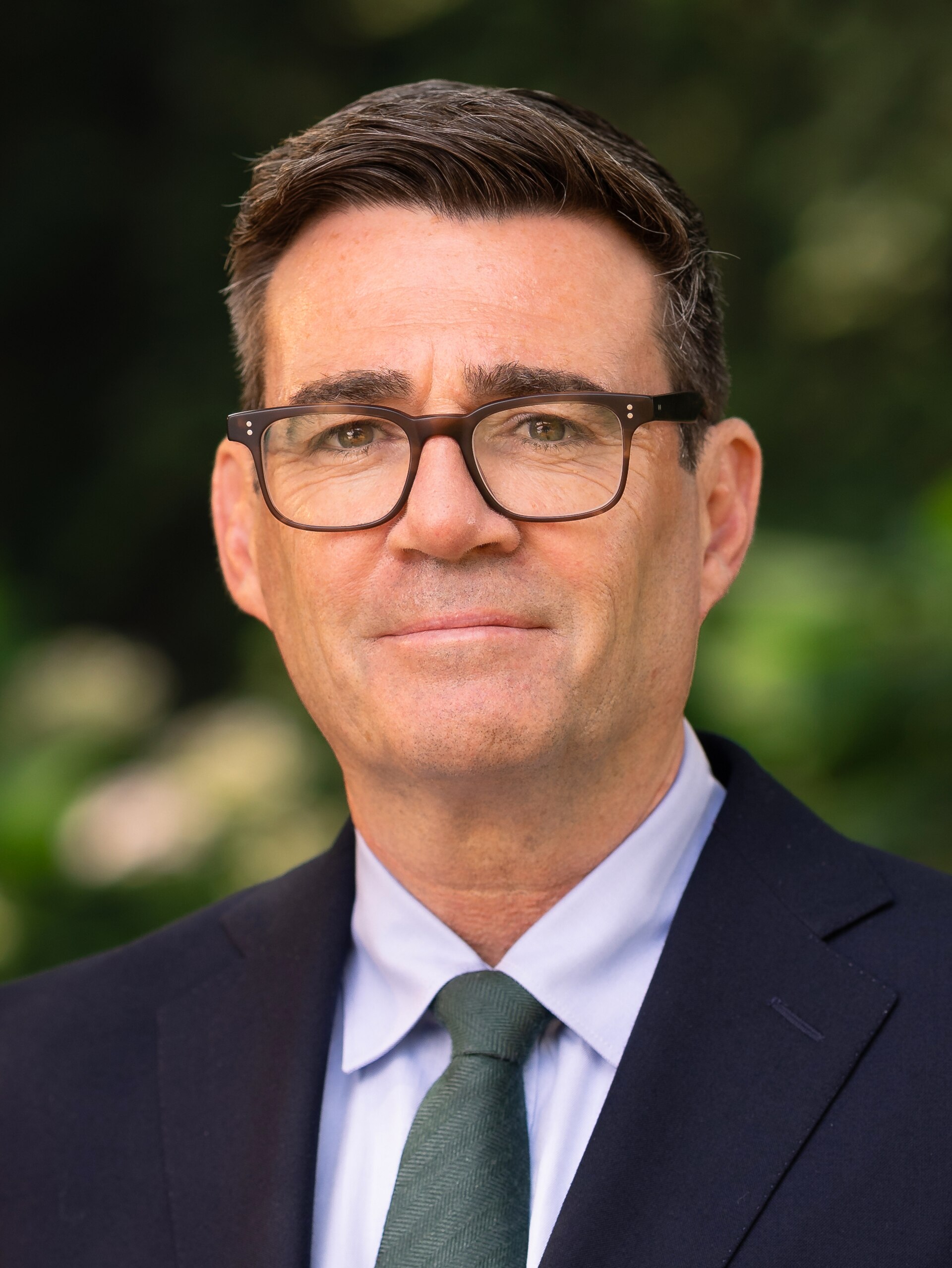
Three months into his premiership, Andy Burnham has achieved something his predecessor never could: he’s the most popular politician in the UK. Polls show Labour retook the top spot shortly after Burnham took office and has held it since. An Ipsos survey from late September found Burnham was the only politician with a positive net favourability rating. That’s a dramatic shift from Keir Starmer, who was widely seen as wooden and robotic in front of cameras.
But popularity can be fleeting. Burnham is the seventh prime minister in ten years, and the next general election isn’t until 2029 unless he calls one early — which he has ruled out. Political analyst Sam Freedman summed up the mood in Westminster: “So many in Westminster keep coming back to an early election, despite Burnham ruling it out … No one can quite figure out how Burnham keeps the hope vibe going for three more years with relatively little visible progress.”
From conference cheers to Port Talbot doubts
At his party conference in Liverpool, Burnham drew a 20-second standing ovation when he paused during a passage about his father, who died a couple of weeks earlier. “Come on, lad!” someone shouted. “Come on, Andy!”
Yet in Port Talbot, a Welsh town beside the UK’s largest steelworks, Labour’s support has crumbled. The party had won the seat for a century until May’s Senedd elections, when it fell to an unprecedented third place behind Plaid Cymru and Reform UK. Myles Lewis, who organises social walks for the town’s elderly, said Labour had not convinced people on immigration and Starmer’s communication wasn’t good enough. But he sees a change: “[But now], it’s kind of going back to what Labour was in the 50s and 60s, where they actually looked after the working-class people. I do believe Andy Burnham can get there because I think he has the interests of the working-class people.”
Big promises, big price tags
Burnham’s first weeks brought capped bus fares, a VAT cut on electricity bills, and lower business rates for pubs. He has pledged to end street homelessness, reindustrialise the country, take services back into public control, and build social housing on a scale not seen since World War II. As mayor of Greater Manchester for nine years, he has long championed devolution. In July he announced mayors could keep a share of business rates from April 2027 and income tax from 2028.
But the biggest promises — reindustrialisation, public control of services, a new social care system — are expensive. Burnham’s first budget is due at the end of this month, and a full spending review comes next year. Whether the “hope vibe” can survive the hard choices of government remains to be seen.