Denmark stands alone as only EU member state without agriculture minister
Denmark has distinguished itself within the European Union by becoming the sole member state operating without a dedicated minister for agriculture, according to site:euractiv.com – Google News.
The Scandinavian nation’s decision to eliminate the standalone agriculture ministry portfolio represents a significant departure from the governmental structure maintained by all other 26 EU member states, each of which continues to assign specific ministerial responsibility for farming and agricultural policy.
This unusual administrative arrangement comes at a time when agricultural policy remains a central concern across the European Union, with farmers facing mounting challenges ranging from climate change adaptation to evolving trade requirements and environmental regulations. The Common Agricultural Policy continues to represent one of the largest components of the EU budget, making agricultural governance a priority for most member states.
The restructuring of Denmark’s ministerial positions reflects a broader reorganization of governmental responsibilities, though the specific reasoning behind consolidating or eliminating the dedicated agriculture portfolio has not been fully detailed in available reports. It remains unclear whether agricultural matters have been absorbed into another ministry or distributed across multiple governmental departments.
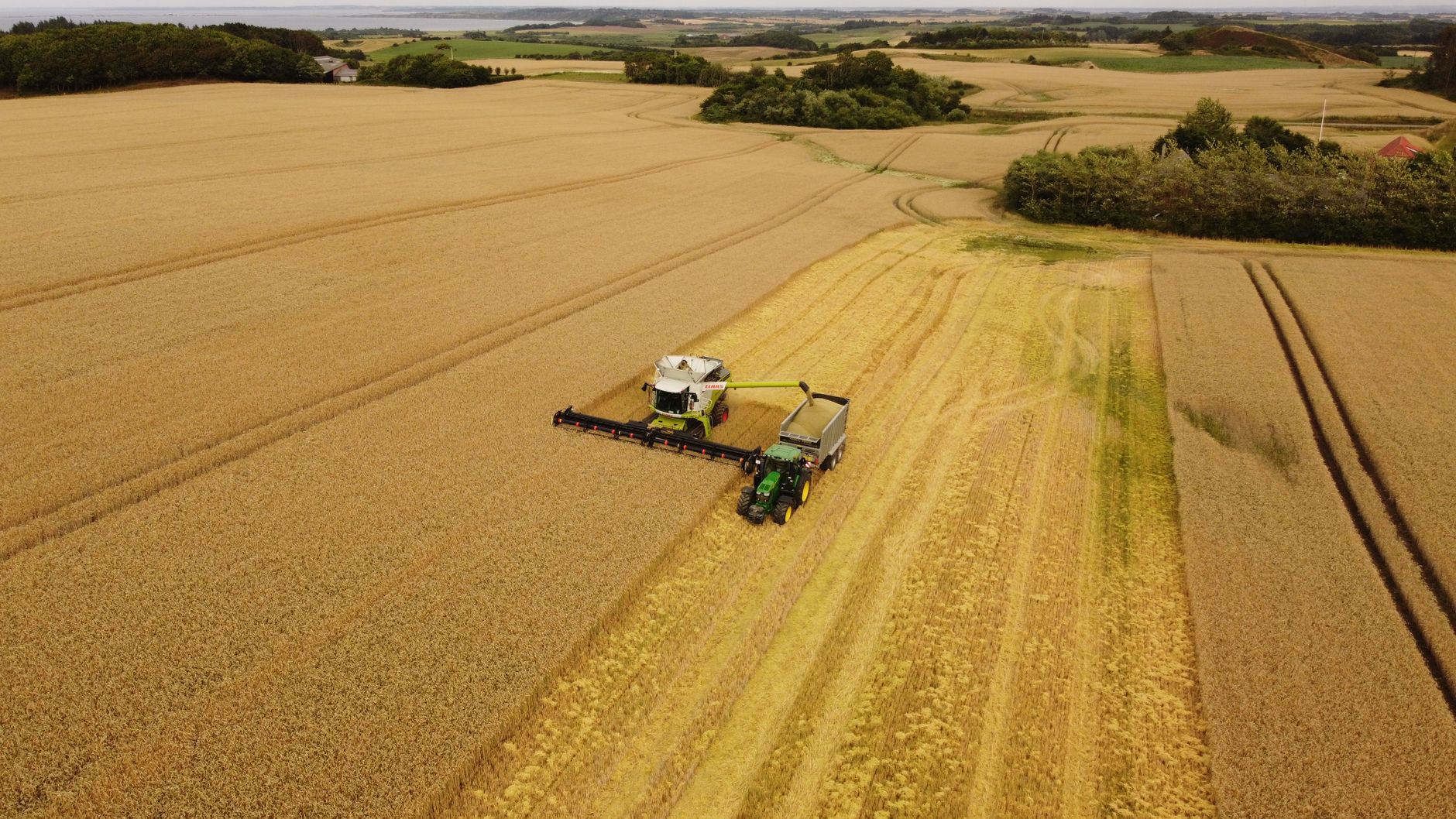
Denmark’s agricultural sector, while smaller than those of major farming nations like France, Germany, or Poland, remains economically significant for the country. Danish agriculture is particularly known for its pork production and dairy industry, with substantial export markets both within and beyond the European Union. The sector also plays an important role in Denmark’s rural economy and land management.
The decision raises questions about how Denmark will represent agricultural interests in EU-level discussions and negotiations, where agriculture ministers from member states regularly convene to address policy matters affecting farmers across the bloc. These ministerial meetings are crucial for shaping European agricultural policy, discussing subsidy allocations, and responding to sector-specific challenges.
Other EU member states have maintained traditional agriculture ministries or have combined them with related portfolios such as food, fisheries, or rural development, but none have completely eliminated the dedicated ministerial position until now.
Observers will be watching closely to see whether Denmark’s unique approach affects its influence in European agricultural policy discussions or serves as a potential model for other nations considering governmental restructuring. The long-term implications for Danish farmers and the country’s agricultural sector remain to be seen as this new administrative structure takes effect.