Ebola response must outpace spread in DRC, UN relief chief warns
The global response to Ebola must move faster than the virus itself, the UN’s Emergency Relief Coordinator said Tuesday, as a rapidly worsening outbreak in the Democratic Republic of the Congo shows no signs of slowing down.
A crisis growing by the day
The outbreak, centered in DRC’s North Kivu province, has been expanding at an alarming pace. Officials recorded more than 2,000 confirmed and probable cases in recent weeks, with the death toll climbing past 1,400. That’s not a slow burn. That’s exponential growth, and aid workers on the ground say the numbers are almost certainly an undercount given how difficult it is to reach remote communities.
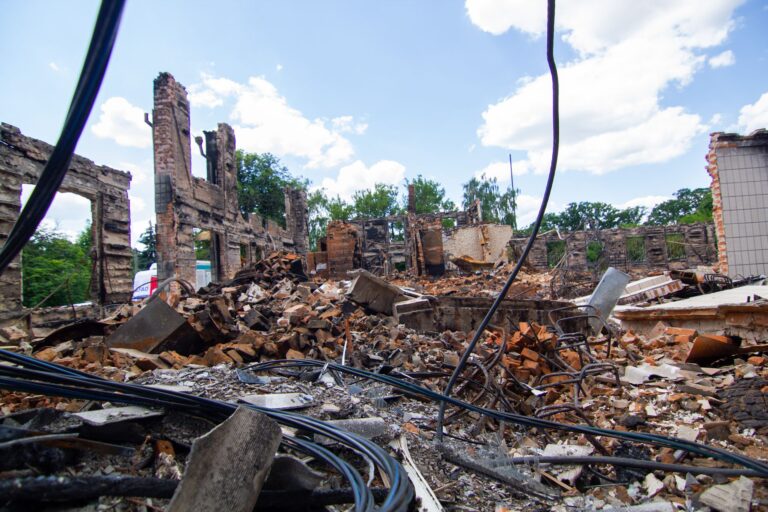
Armed conflict in the region has made containment efforts extraordinarily difficult. Health teams have repeatedly been forced to suspend operations after attacks on treatment centers, and dozens of workers have been threatened or assaulted.
UN sounds the alarm
The Emergency Relief Coordinator didn’t mince words at Tuesday’s briefing in Geneva. “The response has to outpace the epidemic,” a senior UN official told reporters. “Right now, we’re not there yet.”
The UN’s Office for the Coordination of Humanitarian Affairs is pushing member states to release additional funding and logistical support. So far, the international response has fallen roughly $54 million short of what responders say they need just to cover the next three months of operations.
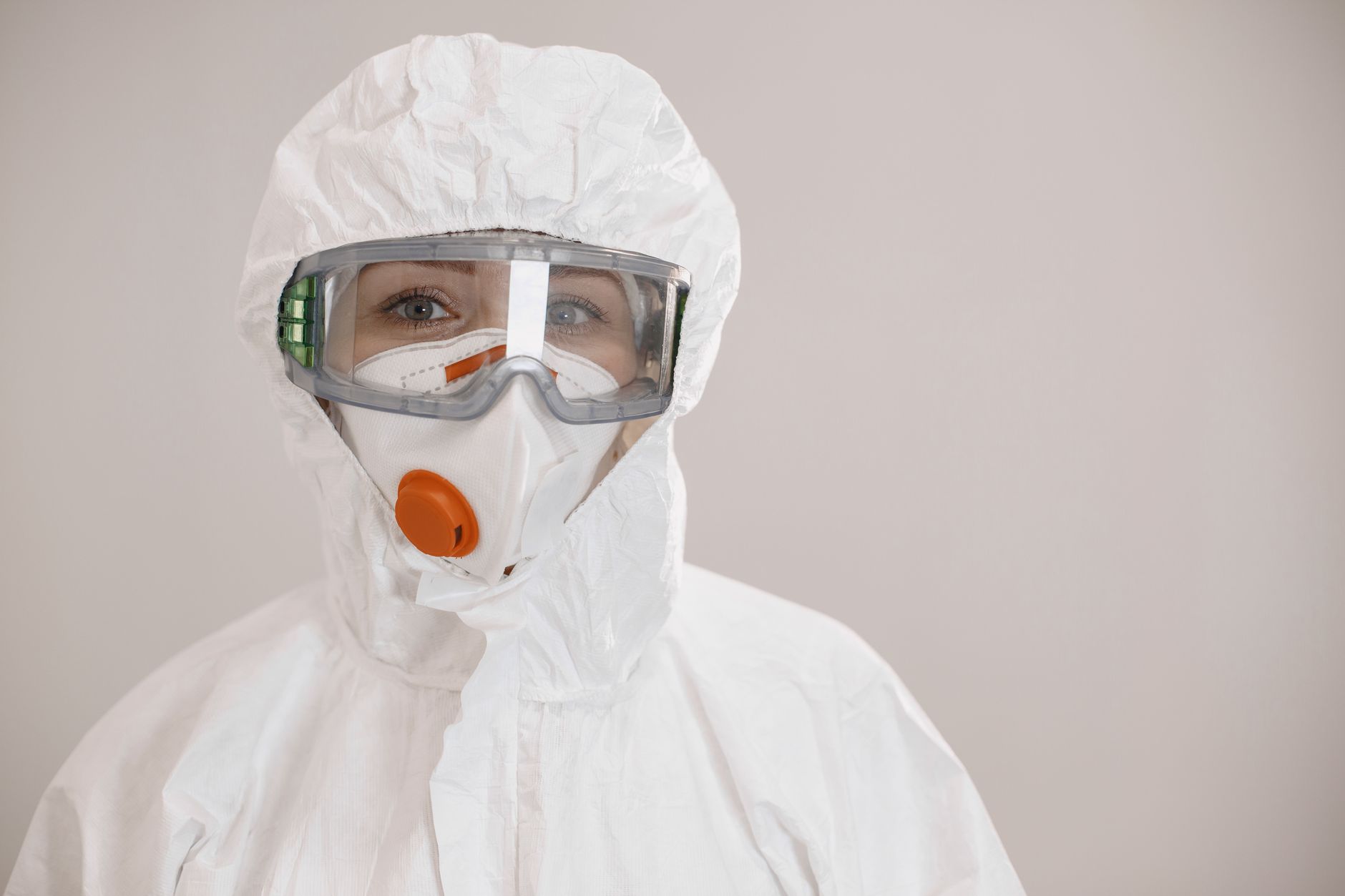
Still, some progress is being made. Experimental vaccines have been administered to more than 130,000 people using a ring vaccination strategy — meaning health workers inoculate those who came into contact with confirmed cases and then those contacts’ contacts. It’s shown real promise. But it can’t work if teams can’t safely reach patients.
Security remains the biggest obstacle
The DRC government and international partners have struggled to build trust in affected communities, some of which remain deeply suspicious of outside medical intervention. That skepticism has historical roots, and it won’t be fixed overnight.
There have been at least 42 attacks on Ebola response teams since the outbreak was declared in August 2018, according to UN figures. Six health workers have been killed.
This is not just a health crisis. It’s a security crisis, a political crisis, and a funding crisis all at once.
What comes next
International health authorities are now pushing for a more coordinated command structure, one that brings together the World Health Organization, DRC’s Ministry of Health, and military peacekeepers already deployed in the region under MONUSCO, the UN’s stabilization mission.
A high-level meeting is expected later this month to assess whether the outbreak warrants being reclassified as a Public Health Emergency of International Concern — a designation that would unlock additional resources and global attention.
And time, officials warn, is not on anyone’s side. Every day the response lags behind the spread of the virus, more lives are lost and more communities fall out of reach. The window to contain this outbreak is still open. But it won’t stay open forever.