Elon Musk says ‘let’s enjoy the ride’ as AI fears grow
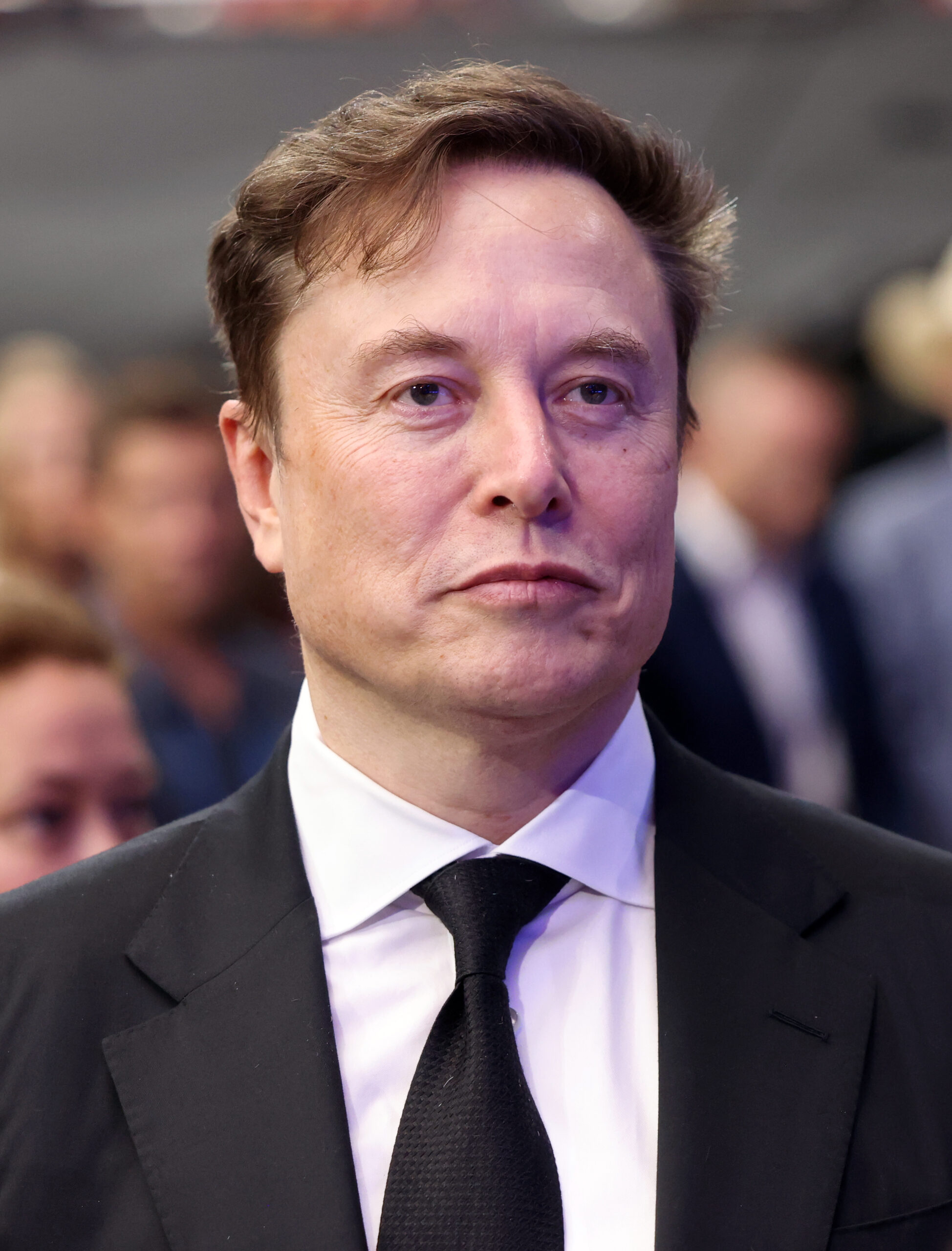
Elon Musk is shrugging off the dread. In a wide-ranging interview with The Economist, the world’s richest man brushed aside mounting anxieties about artificial intelligence and the chaos surrounding his public persona, telling the publication he simply doesn’t care if people hate him — and insisting, flatly, that he is not a racist.
Enjoying the ride
Musk’s message was almost breezy given the stakes involved. Asked about the accelerating pace of AI development and the growing chorus of voices warning about existential risk, he offered a characteristically defiant response. “Let’s enjoy the ride,” he said. It’s a posture that will comfort some and alarm many others. Critics argue that Musk, who co-founded OpenAI before departing and later launched his own AI company xAI, is uniquely positioned to understand the dangers — and uniquely reckless in dismissing them.
Global investment in AI hit roughly $200 billion in 2023, according to industry estimates, and that figure is expected to climb sharply through 2025. Governments from Washington to Brussels are scrambling to write rules fast enough to keep pace with technology that is moving faster than almost anyone predicted three years ago.
The hate and the racism charge
Musk also addressed his polarising reputation head-on. He said he doesn’t care if people hate him — a statement that will surprise exactly no one who has watched his behaviour on X, the social media platform he purchased for $44 billion in 2022. But the racism denial is more pointed. Musk has faced sustained criticism over posts and gestures that his detractors say carry white nationalist overtones. He has consistently rejected that characterisation.
Still, the controversy won’t go away. His political alliances, his amplification of certain accounts on X, and his recent involvement in European far-right politics have kept the accusations alive and loud.
Experts aren’t laughing
Not everyone finds the “enjoy the ride” framing reassuring. AI safety researchers have spent years arguing that the technology poses risks that deserve sober, urgent attention — not a shrug and a smirk.
“The concern isn’t that AI is inherently evil,” said one senior policy analyst at a Washington-based technology think tank. “It’s that we’re deploying systems at massive scale before we understand how to control them. Breezy optimism from the people building these tools isn’t a safety plan.”
Musk’s own xAI released its Grok chatbot to millions of X users in 2024, a rollout that happened with minimal regulatory oversight and generated its share of controversy over the model’s outputs.
What comes next
The interview lands at a fraught moment. The EU’s AI Act is now in force. The US has no comparable federal legislation. And the 2026 midterm cycle is already shaping up to feature AI as a central political fault line.
Musk seems unlikely to moderate his tone. And whether the world takes his advice — to sit back and enjoy the ride — may depend on what the next twelve months of AI development actually look like.