EU industrial production falls 0.8% in March: Eurostat confirms manufacturing slowdown
Industrial production across the eurozone fell by 0.8 per cent in March compared with the previous month, according to figures published by Eurostat on 22 May, marking a deepening contraction in the bloc’s manufacturing sector as energy-intensive industries grapple with surging costs triggered by geopolitical instability in the Middle East.
The European statistics office confirmed that output declined by 1.4 per cent on a year-on-year basis, with sectors dependent on natural gas and electricity bearing the brunt of price volatility following the escalation of conflict involving Iran. The data compounds concerns about the eurozone’s economic trajectory and is likely to reinforce the European Central Bank’s cautious monetary policy stance ahead of its 5 June meeting.
Energy-Intensive Sectors Drive Decline
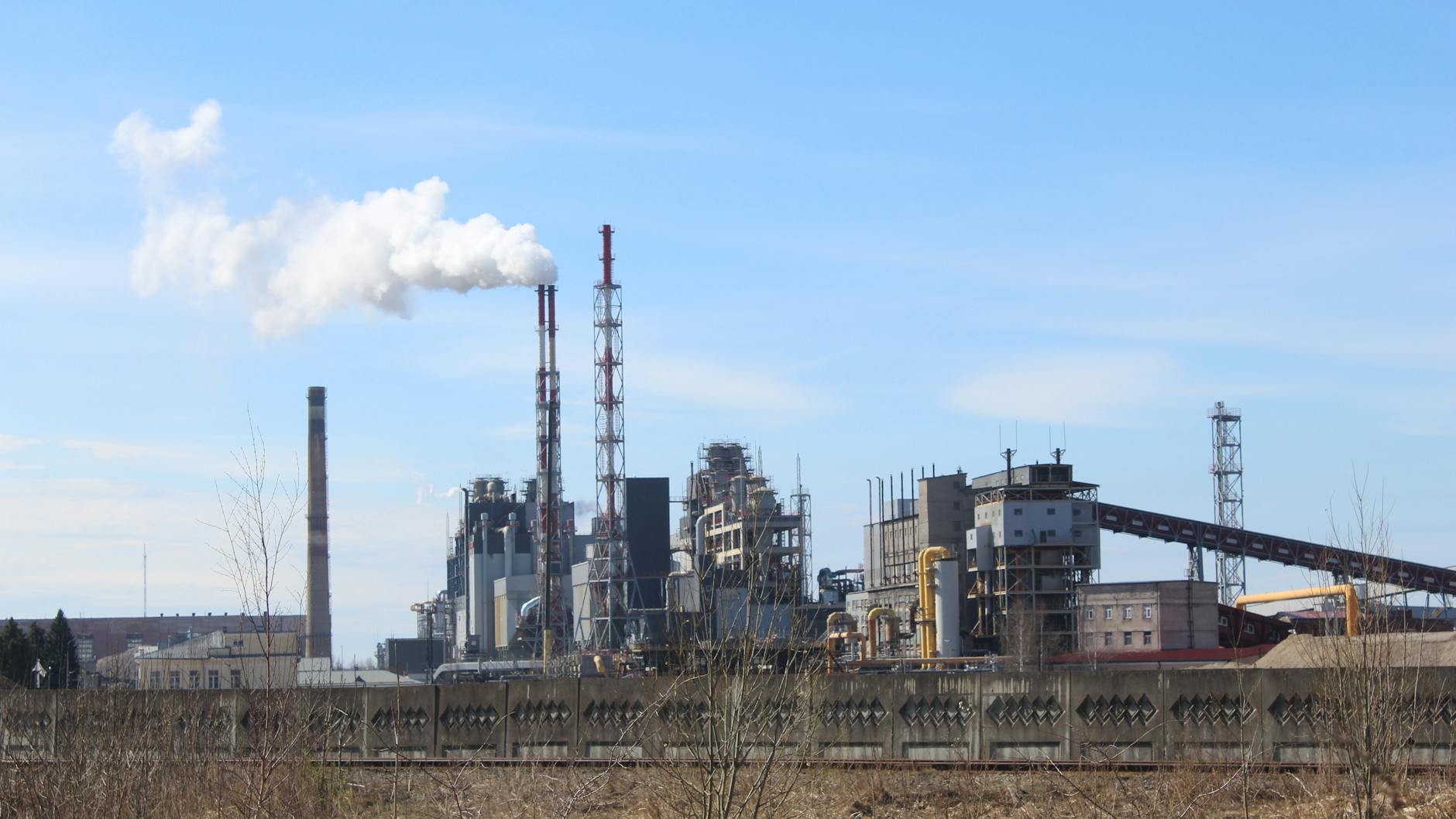
The sharpest contractions were recorded in industries with high energy consumption, particularly chemicals, metals, and paper production. These sectors have faced mounting pressures since gas and electricity prices spiked in response to heightened tensions in the Middle East, reviving memories of the energy crisis that followed Russia’s invasion of Ukraine in 2022.
Chemical manufacturers, which rely heavily on natural gas both as a feedstock and energy source, have been particularly vulnerable to the latest price surge. The metals industry has similarly struggled with elevated electricity costs, whilst paper production—already facing structural challenges from digitalisation—has been hit by the twin pressures of energy expenses and weakening demand.
Energy costs have emerged once again as a critical competitiveness issue for European industry, with manufacturers warning that sustained high prices could accelerate the relocation of production to regions with more stable and affordable energy supplies.
Divergent Performance Across Major Economies
The March figures revealed significant variation among the eurozone’s largest economies. Germany, the bloc’s industrial powerhouse, registered a concerning 1.7 per cent month-on-month decline, reflecting the country’s particular exposure to energy-intensive manufacturing and its sensitivity to global supply chain disruptions.
France recorded a more modest contraction of 0.4 per cent, whilst Italy bucked the trend entirely with a 0.2 per cent increase in industrial output. Italy’s positive performance, though marginal, suggests some resilience in sectors less dependent on energy inputs or benefiting from other competitive advantages.
The divergence underscores the varying industrial structures across member states and their differing vulnerabilities to external shocks. Germany’s heavy concentration in automotive, chemicals, and machinery production leaves it particularly exposed to energy price fluctuations and global demand patterns.
Implications for ECB Monetary Policy
The disappointing production figures add another layer of complexity to the European Central Bank’s policy deliberations. With inflation pressures persisting but growth momentum weakening, the ECB faces a delicate balancing act at its upcoming meeting on 5 June.
A senior ECB official, speaking on background, indicated that the Governing Council would “carefully assess all incoming data, including industrial production trends, alongside inflation dynamics” when considering the appropriate policy stance. The official added that “maintaining stability whilst supporting the real economy remains our primary objective”.
Market expectations have increasingly coalesced around the view that the ECB will maintain its current pause in policy adjustments, having previously raised rates aggressively to combat inflation. The weak industrial data strengthens the case for holding rates steady rather than implementing further tightening measures that could exacerbate the manufacturing slowdown.
Energy Security Concerns Resurface
The impact of the Iran conflict on European industrial production has reignited debates about the continent’s energy security and the pace of its transition to renewable sources. Whilst the EU has made significant strides in diversifying its energy supplies since 2022, the latest crisis demonstrates ongoing vulnerability to geopolitical disruptions affecting fossil fuel markets.
Commission officials have emphasised the importance of accelerating investments in renewable energy infrastructure and grid connectivity. “Recent events underscore why the green transition is not merely an environmental imperative but an economic and security necessity,” a spokesperson stated during a regular briefing in Brussels.
Industry groups have called for more immediate support measures to help manufacturers weather the current spike in energy costs, including temporary subsidies and enhanced financing facilities for energy efficiency improvements.
Outlook Remains Uncertain
Looking ahead, the trajectory of eurozone industrial production will depend heavily on developments in energy markets and the broader geopolitical landscape. Analysts caution that sustained high energy prices could prolong the manufacturing downturn, with potential knock-on effects for employment and investment decisions.
The coming months will prove critical in determining whether March’s contraction represents a temporary setback or the beginning of a more prolonged industrial recession. Much will hinge on whether energy prices stabilise and whether global demand—particularly from China and the United States—provides sufficient support for European exports. The ECB’s policy stance, informed by evolving data on both production and inflation, will play a crucial role in shaping the economic environment for the continent’s beleaguered industrial sector.