Europe midday news bulletin: Key stories for July 27, 2026
It’s midday on July 27th, 2026, and Europe’s news cycle hasn’t slowed down for a second. Conflicts, market shifts, diplomatic rows, and a few stories that are harder to categorise — today’s bulletin has it all.
Politics: Brussels faces new coalition crisis
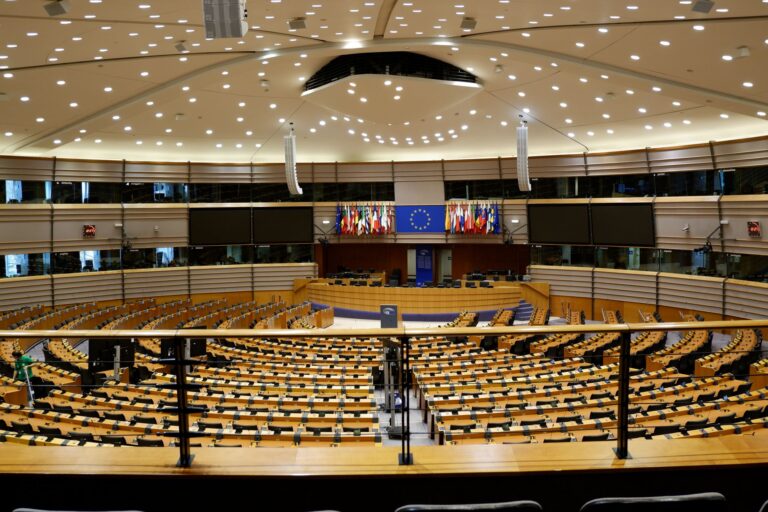
The European Commission is scrambling to hold together a fragile agreement after three member states — Hungary, Slovakia, and Austria — announced they’d block the proposed Digital Sovereignty Directive in a joint statement released early this morning. The directive, which would require major tech platforms to store at least 60% of EU citizen data on European soil by 2029, has been two years in the making. But this morning’s coordinated pushback puts the whole framework at serious risk.
A senior Commission spokesperson said the institution remained “fully committed to finding a workable compromise before the September plenary session,” though no new talks have been scheduled yet.
Still, analysts in Brussels are treating the announcement as a significant blow. It’s the third major legislative setback the Commission has absorbed since spring.
Economy: Spain and Portugal surprise with Q2 growth
Good news from the Iberian Peninsula. Spain posted GDP growth of 2.3% in the second quarter of 2026, beating forecasts of 1.7%, while Portugal came in at 2.1%. Both figures are the strongest either country has recorded since 2022. Tourism is part of the story — international arrivals into Spain hit 47 million in the first half of the year alone — but domestic consumption has also held up far better than expected given the inflation pressures of the past 18 months.
Not everyone is celebrating. Wage growth in both countries still lags behind headline inflation, meaning millions of workers aren’t feeling the recovery yet.
World: Ceasefire in eastern Ukraine under strain
The fragile ceasefire agreement brokered in Vienna last month is looking increasingly shaky. Ukrainian officials reported 14 ceasefire violations overnight along the Zaporizhzhia contact line, including two incidents involving armoured vehicles crossing agreed buffer zones. Russia has denied involvement. International monitors deployed by the OSCE confirmed they were “investigating multiple reports” but stopped short of attributing blame.
The next 72 hours will be critical.
Diplomatic sources in Kyiv told reporters this morning that President Zelenskyy had held an emergency call with the leaders of France and Germany, pressing for a stronger international response if violations continue.
Culture and travel: Venice introduces new tourist cap
Venice has officially made its day-tripper entry fee permanent and expanded it. From August 1st, visitors entering the historic centre on peak days will pay €15, up from the previous €5 trial rate. The city recorded 29 million day visitors in 2025. Mayor Luigi Brugnaro has described the measure as “the only serious tool we have left.” And so far, reaction from the travel industry is mixed — some tour operators support it, others say it discriminates against lower-income tourists.
Whether it actually reduces overcrowding remains to be seen. Watch this space through the August peak season.