
European leaders rally around Ukraine as Russia intensifies strikes
European leaders have closed ranks around Ukraine this week, pledging fresh military and financial support as Russian forces launched some of their heaviest aerial bombardments of the year across Ukrainian cities and energy infrastructure.
A unified front in Brussels
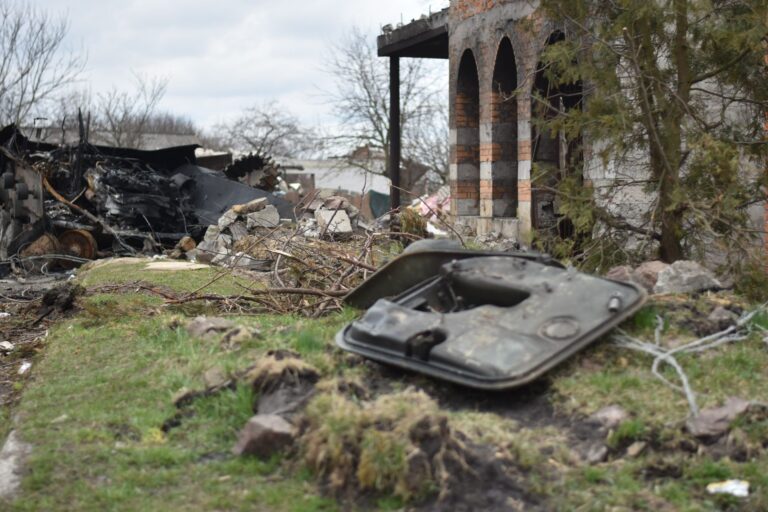
Senior officials from more than a dozen EU member states gathered in Brussels on Tuesday, where they reaffirmed commitments to sustain arms deliveries and long-term reconstruction funding. The meeting came just 48 hours after Russia fired over 90 missiles and drones at Ukrainian targets in a single overnight attack, killing at least 12 civilians and knocking out power to hundreds of thousands of homes.
A senior EU diplomat described the mood in the room as resolute. “There is no appetite here for stepping back,” the official said. “Ukraine’s survival is Europe’s security.”
But the gathering wasn’t only symbolic. Member states confirmed an additional €1.4 billion in military assistance drawn from the European Peace Facility, the bloc’s off-budget mechanism for funding lethal aid. Germany separately announced it would fast-track delivery of additional air defense systems, including two more IRIS-T batteries, before the end of the quarter.
Pressure on the US to hold firm
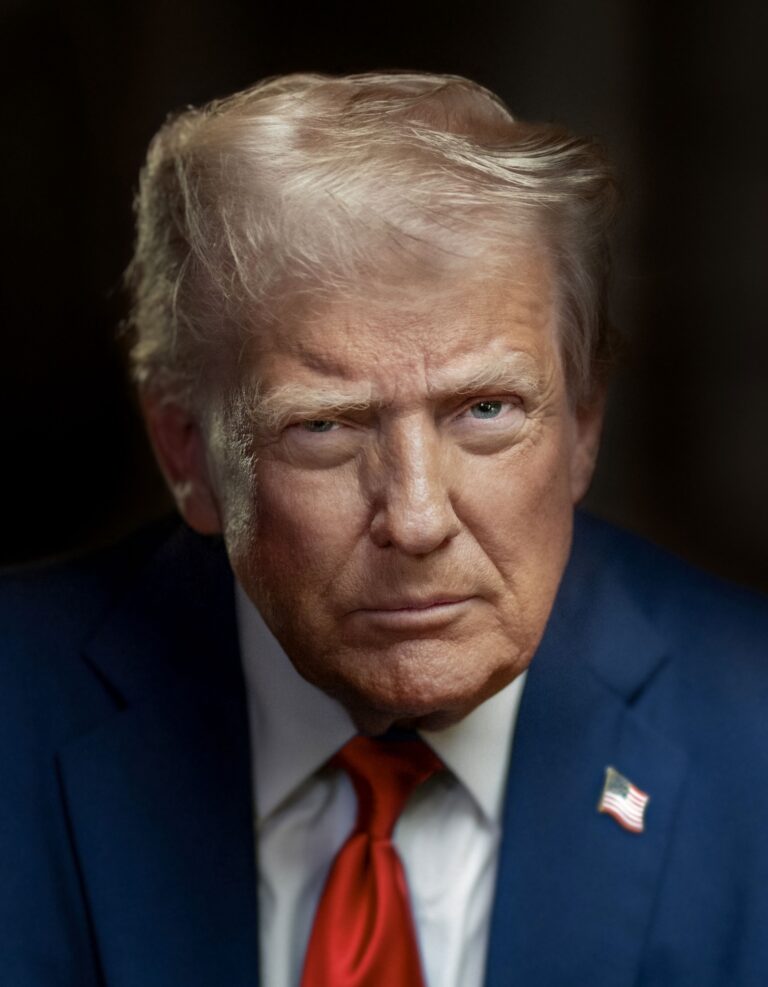
European capitals are increasingly nervous about the reliability of American support, particularly with Washington’s political landscape shifting unpredictably. So European leaders have been quietly working to reduce the continent’s dependence on US-supplied ammunition and hardware.
France and Poland have reportedly accelerated talks on joint artillery shell production, aiming to hit a combined output of 400,000 rounds annually by late 2025. That’s roughly double what Europe produced at the start of 2023.
Still, gaps remain. Air defense is the most acute problem. Ukraine has repeatedly asked for more Patriot batteries, and European stocks are limited. NATO officials have been blunt about this constraint for months, and Tuesday’s meeting didn’t produce a breakthrough on that front.
Ukraine’s situation on the ground
The renewed European solidarity comes at a difficult moment for Kyiv. Ukrainian forces have been under sustained pressure along the eastern front, particularly near Pokrovsk and in the Zaporizhzhia region. Russian advances have been slow but grinding, with Moscow relying heavily on glide bombs dropped from aircraft that stay well behind the front line.
It’s a strategy that’s proved costly to counter.
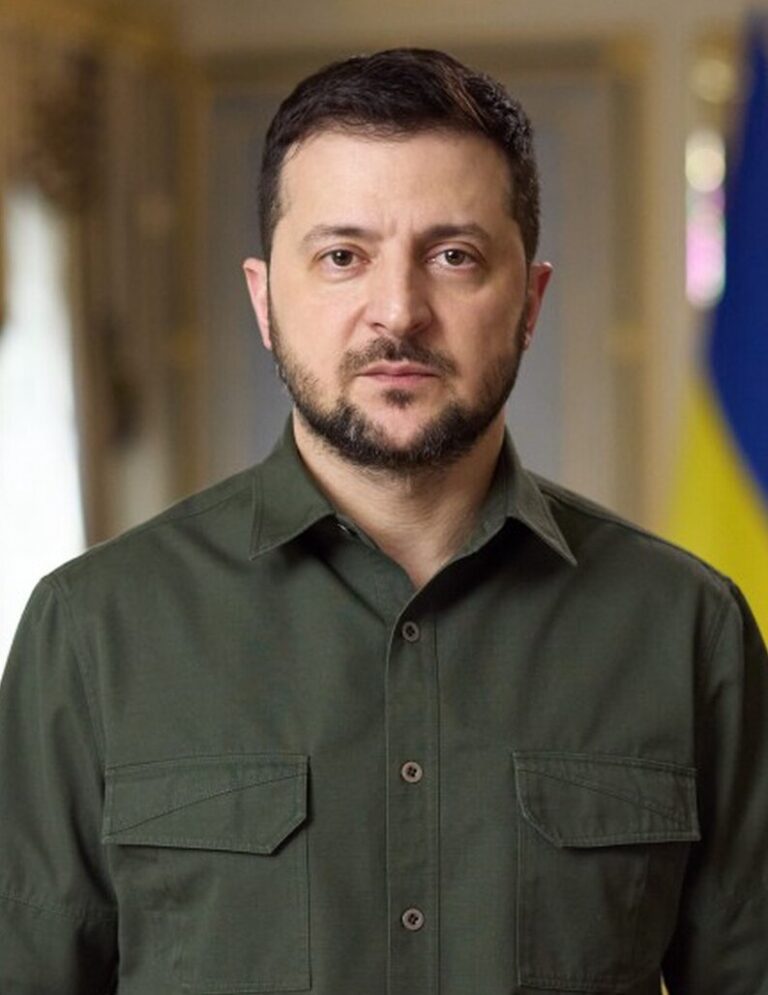
Ukrainian President Volodymyr Zelensky addressed the Brussels gathering via video link, thanking European partners but pressing hard for longer-range weapons and greater permission to strike targets inside Russian territory. He’s made that case repeatedly over the past six months, with mixed results.
What comes next
European leaders are expected to meet again at an extraordinary summit in the coming weeks, where reconstruction financing and a potential ceasefire framework are both on the agenda. Few officials are optimistic about near-term peace talks, but there’s growing consensus that Europe needs a clear strategy for the long game — one that doesn’t depend on who’s sitting in the White House.