FIFA World Cup 2026 repackaged football as a luxury product
The 2026 FIFA World Cup has done something no previous tournament managed to pull off — it turned the world’s game into a luxury event. And according to sports culture analyst David Webber, that shift didn’t happen by accident.
Speaking on France 24’s F24Debate, Webber was blunt: “I don’t think there’s been a tournament quite like this.” He argued that a relentless celebrity presence, corporate packaging, and demand-driven pricing have fundamentally altered what attending a World Cup actually means in 2026. “It’s repackaged football as a luxury product,” he said.
Tickets priced out of reach for ordinary fans
The numbers back him up. Premium category tickets for knockout stage matches across host cities — the United States, Canada, and Mexico — were reselling on secondary markets for anywhere between $2,000 and $8,500 per seat. Official FIFA hospitality packages for the final in New York’s MetLife Stadium were listed above $25,000. That’s not a football match. That’s a gala dinner with a pitch attached.
And it’s not just the resale market. Base-tier tickets that FIFA originally priced at $290 for group stage games were nearly impossible to acquire through official channels within hours of going on sale. Fans from traditional football nations — Argentina, Senegal, Morocco — reported being locked out entirely due to payment system barriers and regional allocation limits.
Celebrity culture took center stage
The tournament’s profile was amplified — some would say hijacked — by a flood of celebrity attendance. Courtside-style moments at matches became social media content before the final whistle had blown. Pre-match events in Miami, Los Angeles, and Dallas resembled award show red carpets. Still, FIFA made no attempt to dial it back. If anything, the organisation leaned in hard.
A FIFA spokesperson described the 2026 edition as “the most watched and most engaged World Cup in history,” citing over 6 billion cumulative viewers across broadcast and streaming platforms. But reach and accessibility aren’t the same thing.
A tournament for the cameras, not the terraces
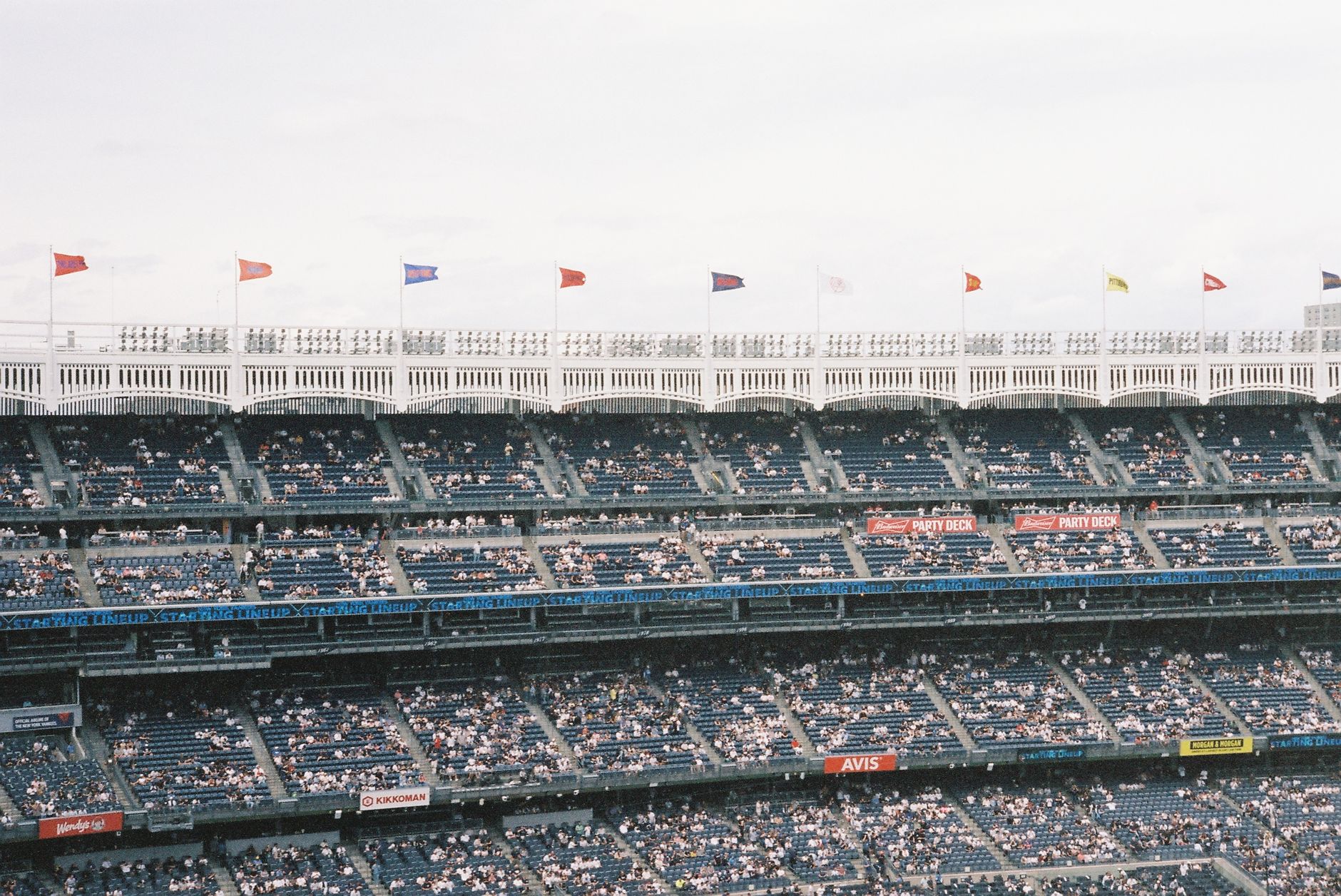
Webber’s broader point is that this World Cup reflected a wider trend in elite sport — the prioritisation of media spectacle over matchday atmosphere. Stadiums were full, yes. But the people inside them weren’t always football supporters in any traditional sense. Corporate boxes. Influencer invites. Hospitality tiers.
It’s a tension that won’t resolve itself quietly.
What comes next for football’s soul
FIFA will collect record revenues from 2026 — projected at over $11 billion, up from $7.5 billion in Qatar. The money is real. So is the concern from supporter groups, who warn that if the 2030 centenary World Cup follows the same model, the working-class roots of football will exist only in nostalgia.
Whether the sport’s governing body sees that as a problem — or a selling point — remains the real question going forward.