Gaza displacement site visited virtually by diplomats from 12 nations
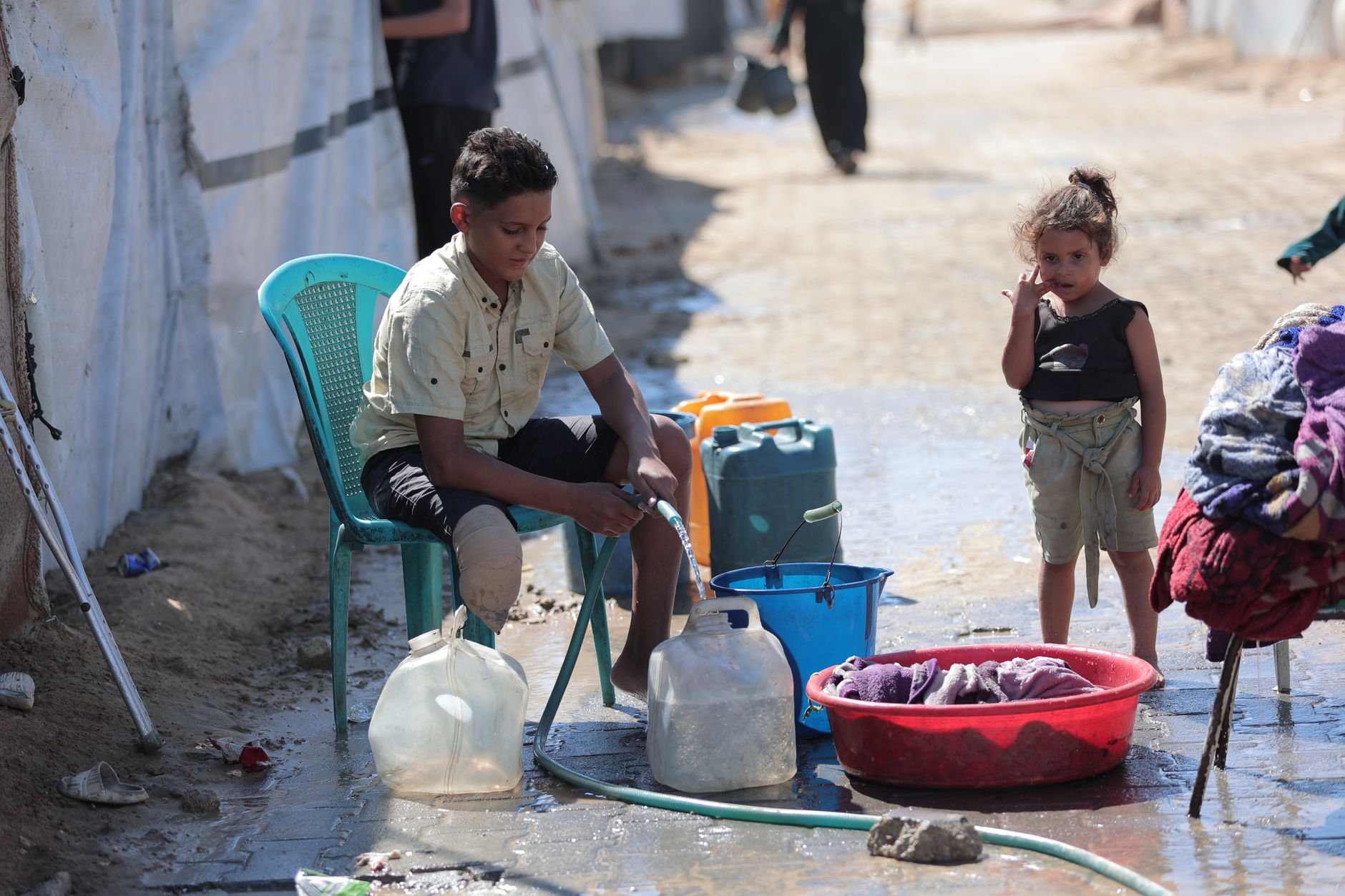
Diplomats from a dozen countries got an unusually close look at life inside a Gaza displacement site this week — without setting foot in the territory. The United Nations facilitated what it called a “virtual diplomatic field visit,” connecting representatives directly with displaced residents who described their most urgent needs on the ground.
What the virtual visit involved
The UN confirmed on Thursday that diplomats from 12 countries took part in the exercise, which was designed to give foreign representatives a ground-level view of conditions inside Gaza that they’d otherwise struggle to access. Residents at the displacement site spoke directly with the diplomats, describing shortages of food, clean water, and medical supplies. It’s the kind of firsthand testimony that rarely reaches diplomatic circles through official channels. Still, the format raised immediate questions about whether a screen-mediated experience can truly convey the scale of the crisis.
Why diplomats went virtual
Access to Gaza has remained extraordinarily difficult for international observers since the conflict escalated following the Hamas attacks of October 7, 2023. Humanitarian organizations, journalists, and diplomatic personnel have all faced severe restrictions on movement into and within the territory. So the UN turned to technology. The virtual format allowed diplomats to engage with people on the ground without the security risks and logistical barriers that have blocked in-person visits for months. It’s not a perfect solution. But for many of these representatives, it was the closest they’d come to the reality inside Gaza.
Conditions at the site
The displacement site visited virtually is home to thousands of Palestinians who fled fighting in other parts of the strip. Residents told diplomats they were struggling with overcrowding, inadequate sanitation, and near-constant uncertainty about what comes next. One UN official described the session as “sobering” and said participants were visibly affected by what they heard. Medical needs were flagged as particularly acute, with residents reporting limited access to basic healthcare even for children and elderly residents. And food insecurity, already severe across Gaza, was described as worsening week by week at the site.
The UN said more than 1.7 million people remain displaced across Gaza, many of them living in makeshift shelters or overcrowded facilities.
What happens next
The UN hasn’t confirmed which 12 countries sent representatives to the virtual visit, citing diplomatic sensitivities. But the agency signaled it plans to hold additional sessions and is exploring ways to expand the format to reach more diplomatic missions. Whether that translates into concrete policy action or increased humanitarian funding remains to be seen. Advocacy groups have long argued that physical access for diplomats and journalists is essential — that virtual formats, however well-intentioned, won’t replace eyes on the ground. The UN, for its part, says it’s using every tool available while pushing for broader humanitarian access to continue.