Greece helicopter collision kills two near Athens wildfire
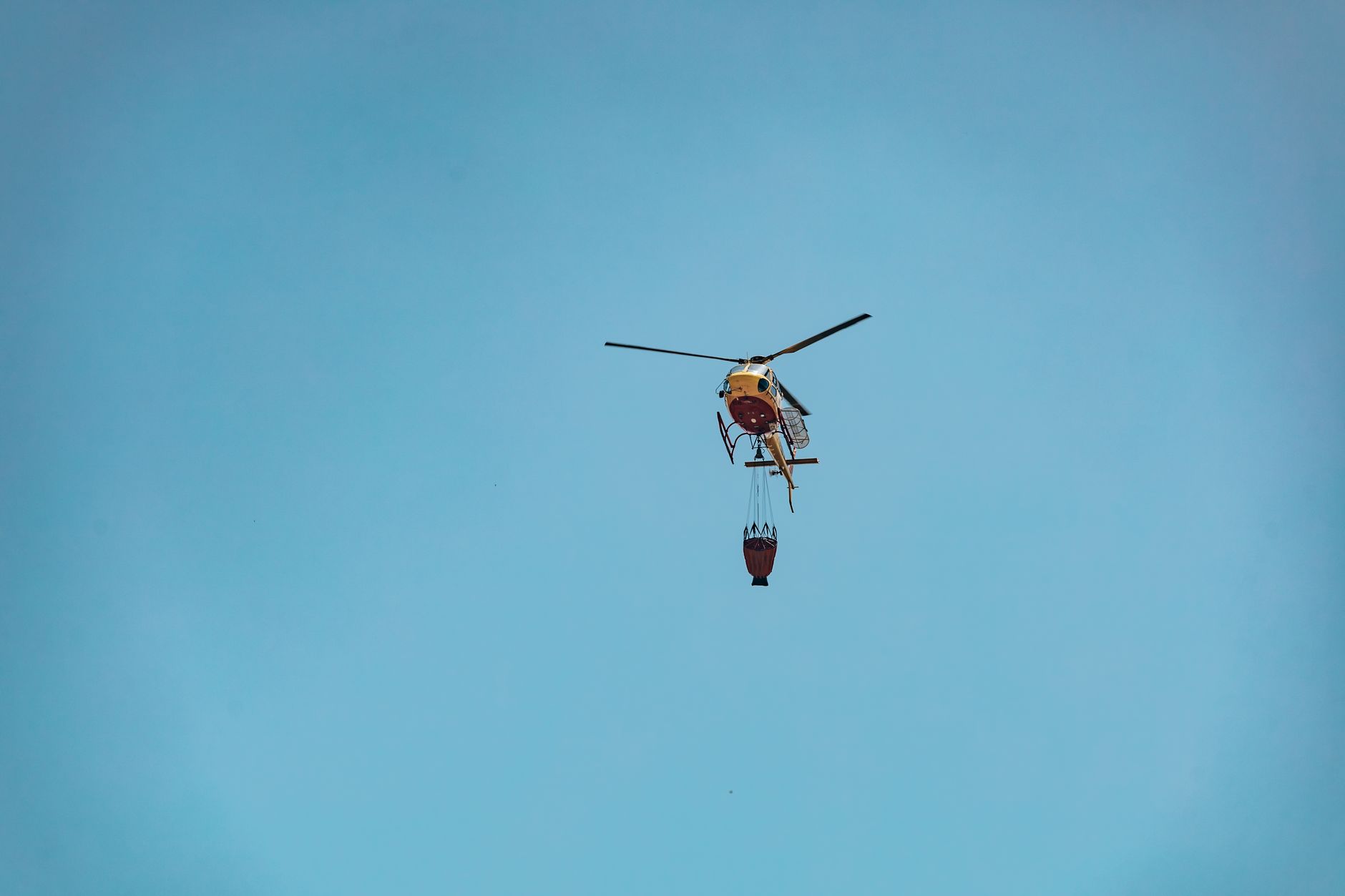
Two firefighting helicopters collided in midair over Greece on Sunday, killing two crew members as they battled a fast-moving wildfire west of Athens. The crash, which sent one aircraft spinning to the ground in flames, claimed the lives of a Greek national and a Danish pilot working as part of the aerial firefighting operation.
What happened over the fire zone
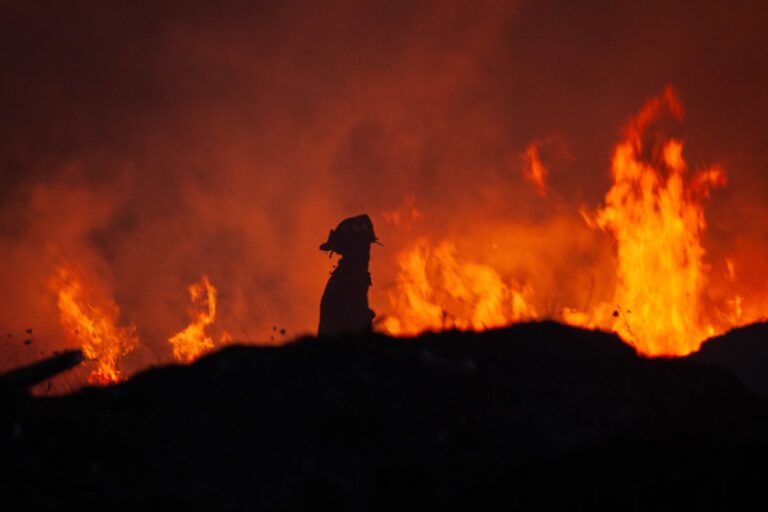
The collision occurred in the early afternoon as both helicopters were making water drops over the blaze near the town of Megara, roughly 50 kilometers west of the Greek capital. Strong, shifting winds had complicated the firefighting effort throughout the day, pushing the fire across dry scrubland at an unpredictable pace. Authorities believe the difficult conditions reduced visibility and made coordination between the two aircraft far harder than normal. One helicopter went down immediately. The second managed a damaged but controlled landing nearby.
Ground crews and emergency responders reached the crash site within minutes. But it was already too late for the two men aboard the downed aircraft.
The victims
Greek officials confirmed Sunday evening that both victims were experienced aviation professionals. The Danish national was identified as a contracted pilot, part of a broader European arrangement that sees multiple countries contribute aerial resources to Greece’s fire season each summer. His Greek colleague served as a co-pilot or technical crew member, though authorities didn’t immediately release full details about their roles.
Two crew members were killed. That’s the stark, painful reality at the center of an operation meant to save homes and lives.
Reaction from authorities
Greece’s Civil Protection Ministry expressed condolences to the families of both men and said a full investigation into the cause of the collision would be launched immediately. “We are deeply saddened by this tragic loss,” a ministry spokesperson said in a statement Sunday night. “These men gave their lives in service of protecting communities and we owe them our full respect and a thorough accounting of what happened.”
The Danish foreign ministry also confirmed it was aware of the incident and said it was in contact with Greek authorities. So far, neither government has released the victims’ names pending notification of next of kin.
What comes next
Investigators from Greece’s Air Accident Investigation and Aviation Safety Board are expected to begin their work at the crash site as early as Monday. The probe will likely focus on flight coordination protocols, radio communication between the two aircraft, and whether the wind conditions played a direct role in the disaster.
The wildfire itself was still burning Sunday night, with more than 300 firefighters on the ground supported by remaining aerial units. And while authorities said the blaze had not yet reached residential areas, several villages in the region were placed on alert. Greece has suffered some of its worst fire seasons on record in recent years, and Sunday’s tragedy is almost certain to renew pressure on the government to review how its aerial fleet is managed during complex, multi-aircraft operations.