
Guterres calls for urgent action as hate speech spreads online
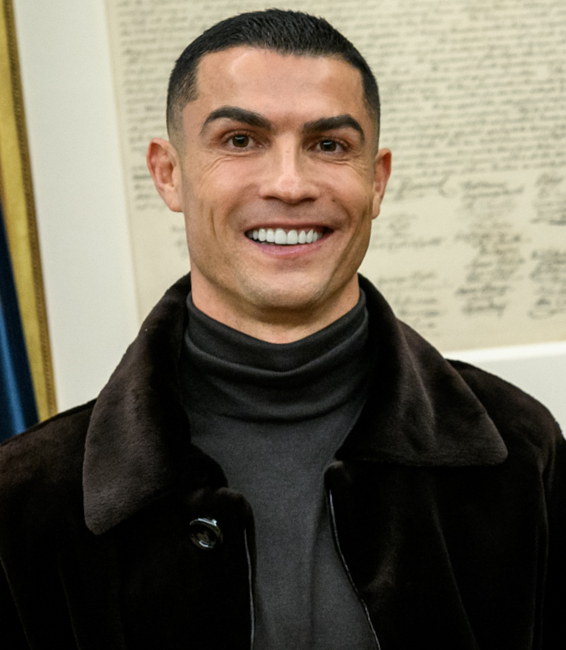
UN Secretary-General António Guterres issued a stark warning this week, urging governments, tech companies and civil society to take immediate, coordinated action against the rising tide of hate speech online. Speaking ahead of the UN’s annual observance on countering hate speech, Guterres said the problem has moved well beyond the familiar terrain of major social media platforms and is now embedding itself into newer, faster-growing corners of the internet — gaming networks, encrypted messaging apps and AI-generated content channels among them.
“Its toxic message is spreading fast and striking deep,” Guterres said, adding that no single actor can tackle the problem alone.
A problem that’s outpacing the response
The numbers tell a troubling story. Research cited by the UN found that hate speech incidents online increased by more than 40 percent in the 18 months following the global rollout of several short-video platforms. Researchers tracking extremist rhetoric say content that would have taken weeks to circulate a decade ago now reaches millions of users within hours. And it’s not just speed — it’s scale.
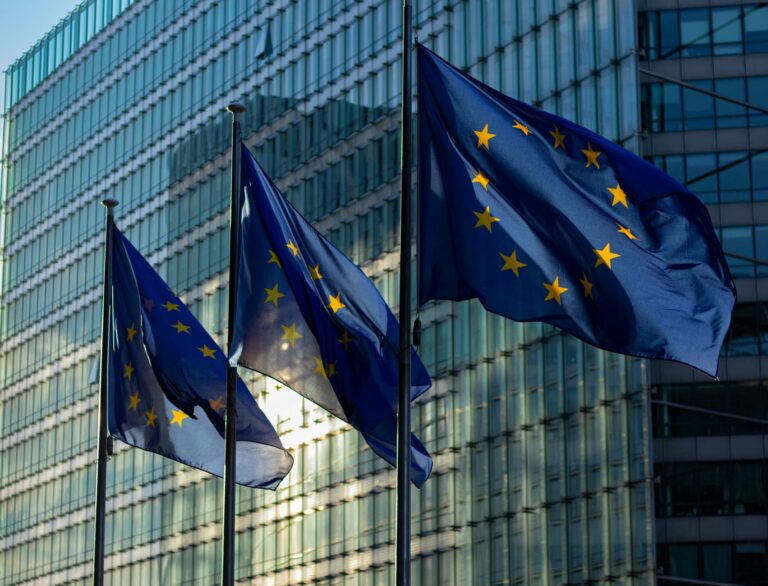
Governments in the European Union have moved to enforce stricter moderation rules under the Digital Services Act, which took effect for large platforms in August 2023. But enforcement remains uneven, and smaller platforms with fewer than 45 million monthly users in the EU face far lighter obligations. Critics say that gap is exactly where the most dangerous content tends to migrate.
Still, progress exists in pockets. Germany’s NetzDG law has led to the removal of hundreds of thousands of pieces of illegal content annually since its introduction. Yet civil liberties groups warn that heavy-handed takedown rules risk silencing legitimate speech, particularly from minority communities who use bold or confrontational language to push back against discrimination.
Tech companies under pressure to act — again
The Secretary-General’s appeal puts renewed pressure on technology firms that have repeatedly faced accusations of doing too little, too slowly. Several major platforms reduced their trust and safety teams significantly in 2022 and 2023, with one company cutting its content moderation staff by nearly 30 percent following a high-profile ownership change.
A senior UN official familiar with the discussions told reporters that the organization is working on a new voluntary framework that would set clearer benchmarks for how quickly platforms must respond to verified hate speech reports — potentially within 24 hours for content flagged as incitement to violence.
The road ahead won’t be simple. Defining hate speech consistently across languages, cultures and legal systems remains one of the most genuinely hard problems in global governance. But Guterres appears unwilling to let complexity become an excuse for inaction.
With UN member states scheduled to revisit the Global Plan of Action to Combat Hate Speech later this year, the coming months may determine whether this latest call produces real commitments — or simply more words.