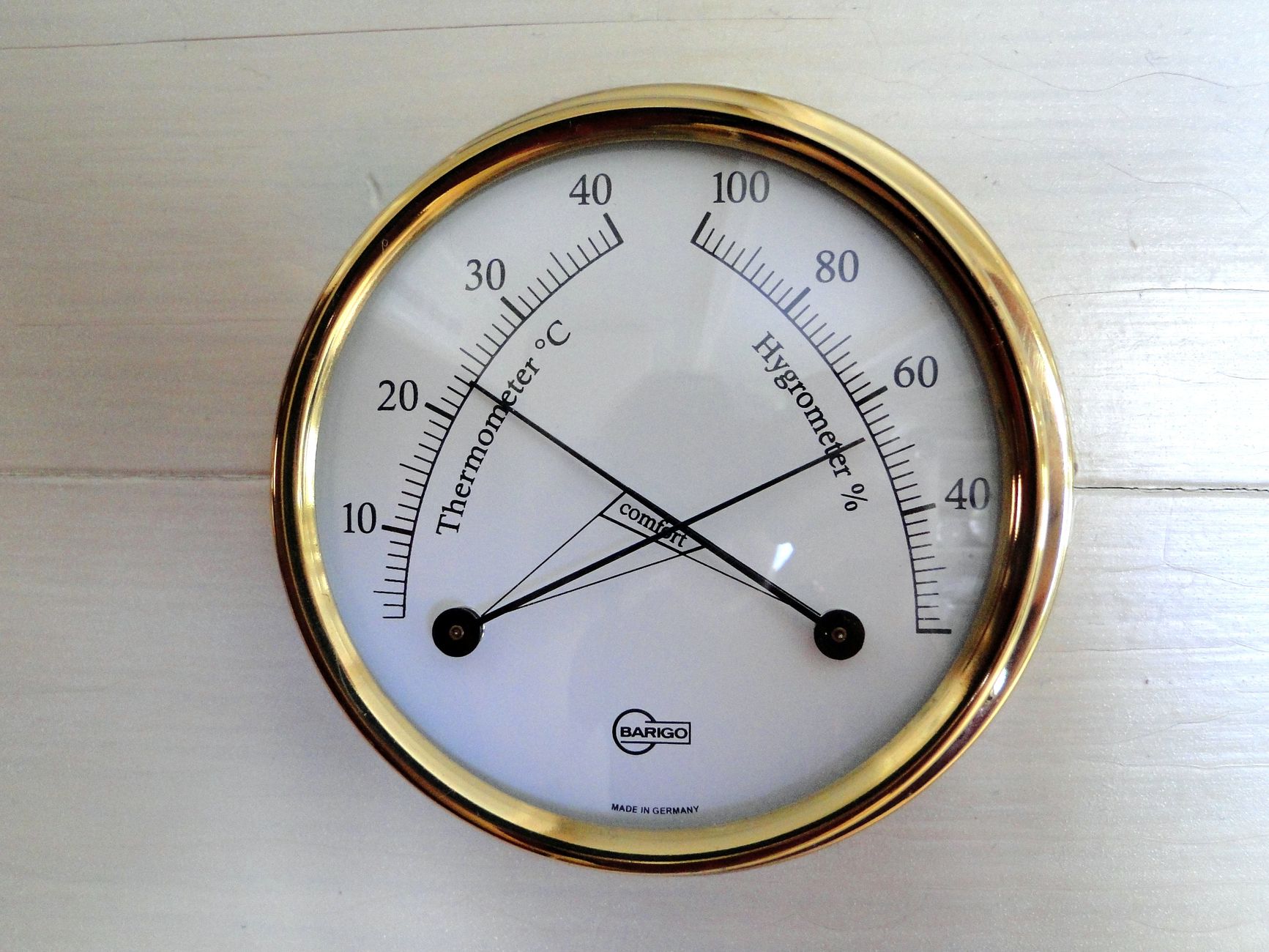
Heat deaths in Europe are preventable, WHO says in new guidance
Europe’s hospitals are dangerously unprepared for extreme heat, and that needs to change now. That was the stark message from the World Health Organization on Thursday, as the agency released new guidance urging countries to urgently retrofit health facilities and protect vulnerable patients from temperatures that are breaking records across the continent.
A deadly summer backdrop
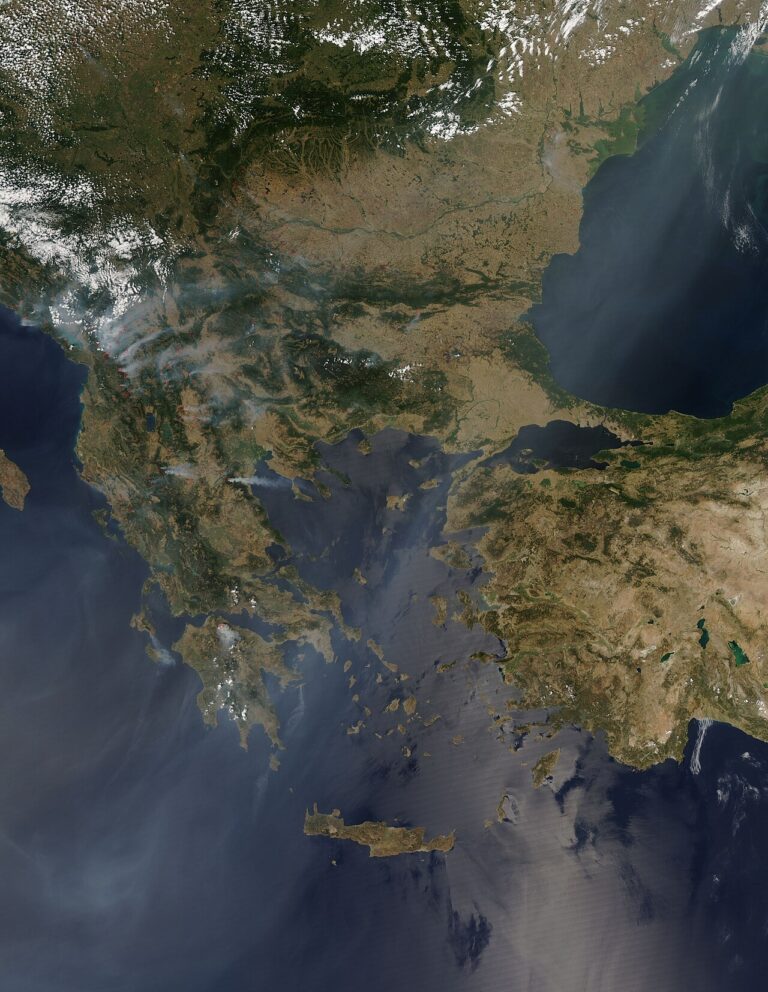
The guidance didn’t arrive in a vacuum. Temperatures have soared above 45°C in parts of southern Europe this week, with Spain, Greece, and Italy all recording heat-related deaths. Emergency services in Seville reported responding to dozens of heat-related calls in a single day. It’s the kind of crisis that health officials have been warning about for years — and one that’s no longer a distant forecast.
The WHO estimates that extreme heat kills more than 175,000 people in Europe every year. That number is expected to climb sharply as climate change accelerates. But the agency was pointed in its message: this doesn’t have to be the outcome.
“Heat deaths are not inevitable,” said a WHO regional official for Europe. “With the right policies and investments, we can protect people — including the most vulnerable in our care facilities.”
What the new guidance actually says
The recommendations cover a wide range of interventions, from the structural to the operational. Hospitals and long-term care facilities are urged to install reflective roofing, improve ventilation systems, and designate cooled spaces specifically for heat-vulnerable patients. Staff training on recognising heat exhaustion and heatstroke is also flagged as a critical gap.
Beyond buildings, the WHO wants countries to develop real-time heat-health alert systems that directly trigger responses inside clinical settings — not just public advisories. So when temperatures cross a dangerous threshold, hospitals should already be activating cooling protocols, reviewing medications that impair heat tolerance, and increasing monitoring of at-risk patients.
Older adults, infants, people with chronic conditions, and those on certain medications are considered the most at-risk groups. Many of them are already inside healthcare systems.
A backlog of unprepared infrastructure
The challenge is enormous. Much of Europe’s hospital infrastructure was built decades ago, long before climate adaptation was part of the conversation. Retrofitting existing buildings is expensive and slow. And with heatwaves arriving earlier and lasting longer each year, the window to act is shrinking.
Still, some countries are moving faster than others. France, which overhauled its national heat action plan after the catastrophic 2003 heatwave that killed an estimated 15,000 people, is often cited as a model. But even France has gaps when it comes to rural care facilities and underfunded public hospitals.
What comes next
The WHO guidance is advisory, not binding. That’s a limitation health advocates are quick to point out. Whether governments translate these recommendations into funded, actionable plans will depend heavily on political will — and on how much pressure the public puts on leaders as Europe’s summers get hotter. The science is clear. The deaths are preventable. The question now is whether policymakers are willing to act before the next heatwave arrives.