ICE raids in Minneapolis left scars that six months couldn’t heal
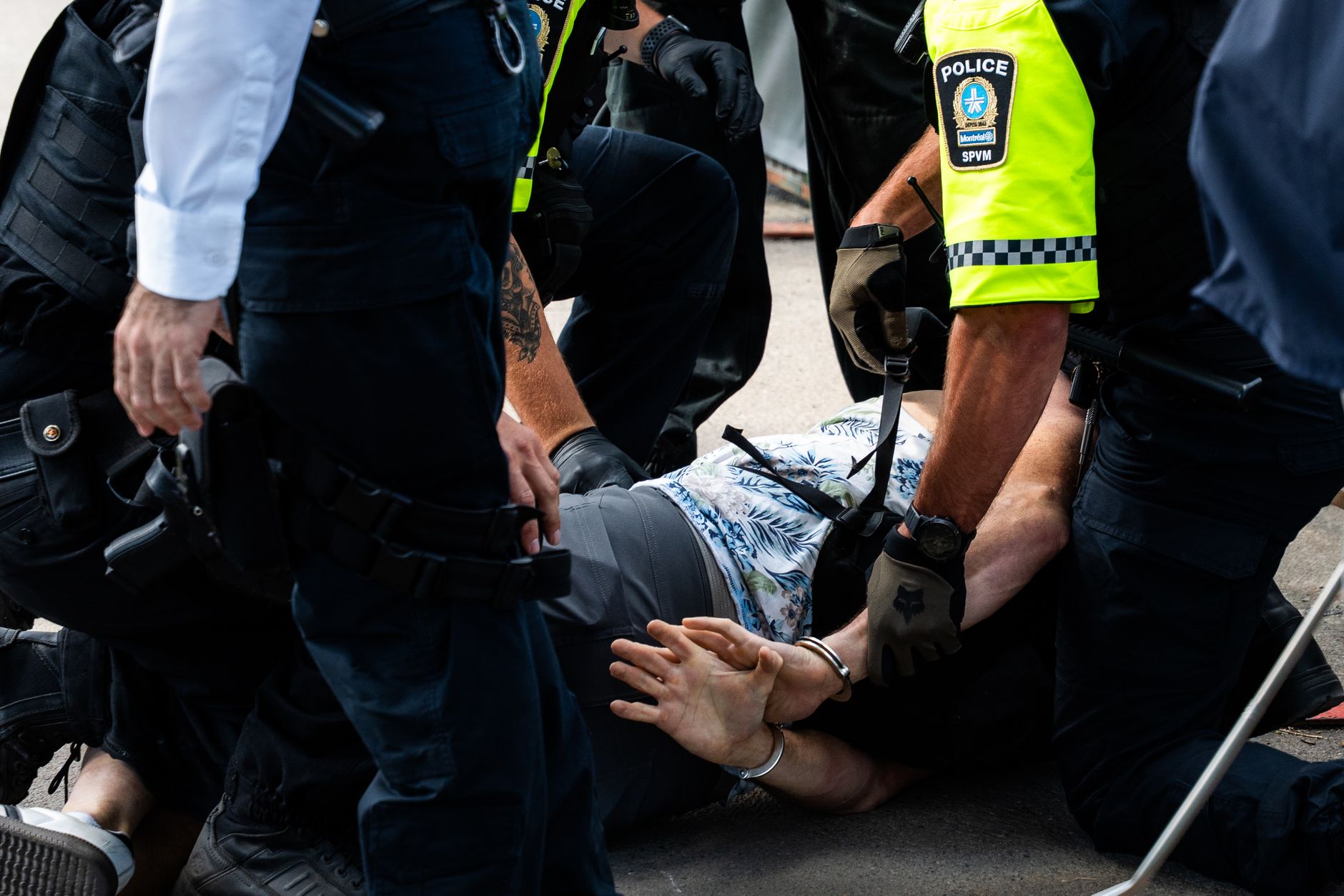
The federal vans are gone. The checkpoints have disappeared. But for thousands of immigrants living in Minneapolis, the fear that took root during the Trump administration’s sweeping ICE raids hasn’t gone anywhere.
Six months after the crackdown formally wound down, Minnesota’s largest city is still reckoning with what happened — and what it cost.
A neighborhood changed overnight
In the Whittier and Powderhorn neighborhoods, where Latino and Somali communities are densely concentrated, residents describe a kind of low-grade anxiety that never fully lifted. Families stopped going to church. Kids missed school. Businesses that once buzzed on Saturday mornings went quiet.
Maria Guadalupe Reyes, 41, ran a small tamale cart near Lake Street for nine years. She stopped showing up during the raids and never really came back. “I know it’s over,” she said. “But I don’t feel like it’s over.”
That distinction — between the official end of something and the lived experience of it — is exactly what community advocates say policymakers keep getting wrong.
The numbers behind the fear
During the peak enforcement period, ICE made at least 340 arrests in the seven-county metro area, according to figures compiled by the Minnesota Department of Human Services. Roughly 60 percent of those detained had no prior criminal record. Forty-three children in Hennepin County alone were placed in emergency foster care after a parent was detained.
Enrollment at several Minneapolis public schools dropped noticeably. Washburn High School saw attendance fall by nearly 11 percent in a two-week stretch in February. Teachers noticed. Counselors were overwhelmed.
Still, the official response was measured. “Our job is to support families and make sure children are safe, whatever their circumstances,” said a spokesperson for Minneapolis Public Schools, who declined to speak on the record about the federal operations specifically.
Trust is hard to rebuild
That’s the problem. Government institutions are asking immigrant communities to trust them again, but trust doesn’t work on a schedule.
Local nonprofits like Centro de Trabajadores Unidos en la Lucha, known as CTUL, report that calls to their legal aid hotline are still running about 30 percent above pre-raid levels. People want to know their rights. They want to understand what happens if it starts again.
And it might. That’s not paranoia — it’s pattern recognition.
What comes next
Minneapolis city council members passed a resolution in March reaffirming the city’s sanctuary status, but advocates say resolutions don’t stop federal agents. What they’re pushing for now is a formal rapid-response network: legal observers, know-your-rights training, and a dedicated emergency fund for families who lose a primary earner to detention.
The city hasn’t committed to funding it yet.
Six months is both a long time and nothing at all. For families who watched a neighbor get pulled into a van on a Tuesday morning, normalcy isn’t a switch you flip back on. It’s something you rebuild, slowly, if you rebuild it at all.