IMO shipping alert, Nicaragua crackdown, and political denialism fears
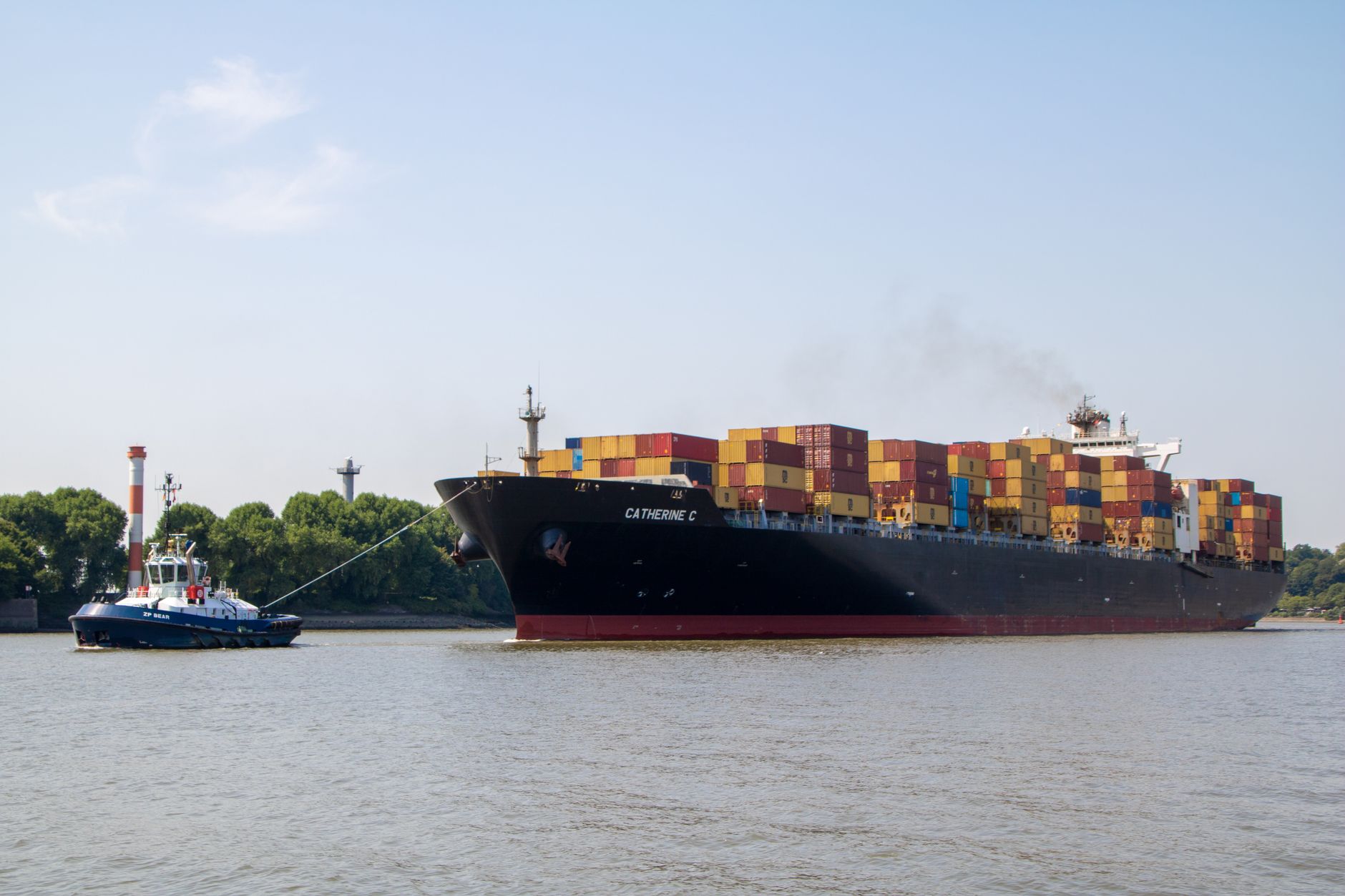
The head of the International Maritime Organization has issued a stark warning against using geopolitical conflict as cover for attacks on civilian shipping, as violence in key Middle Eastern waterways continues to climb. Mr. Arsenio Dominguez, the IMO’s Secretary-General, made the remarks this week following a string of incidents targeting commercial vessels in the Red Sea and the Gulf of Aden — zones that handle roughly 12% of global trade annually.
IMO chief: seafarers are not targets
Dominguez was unambiguous. Tensions between the United States and Iran, he said, must not become a “pretext” to go after “innocent seafarers” who are simply doing their jobs. Over the past several months, more than 40 attacks on commercial ships have been recorded across the region, according to maritime security trackers. Cargo crews, many of them from the Philippines, India, and Sri Lanka, have reported being held at gunpoint, with some vessels seized for days at a time.
It’s a crisis that’s increasingly difficult to ignore. And yet the international response has been fragmented at best.
“The sea belongs to everyone,” a senior IMO official told reporters on the sidelines of this week’s briefing. “Civilian mariners cannot be made to pay the price for disputes they have no part in.”
The IMO is now pushing member states to accelerate coordination on naval escorts and to share real-time intelligence on threat corridors. Whether that happens quickly enough is another question entirely.
Nicaragua tightens its grip
Some 9,000 kilometres away, democracy in Nicaragua is looking increasingly like a relic. President Daniel Ortega’s government has now stripped citizenship from more than 300 political opponents, journalists, and activists since 2023 — a figure confirmed by human rights monitors at the end of last month. At least 17 Catholic clergy members are among those expelled or imprisoned. The Catholic Church, once a moderating force in the country, has been effectively silenced.
Still, few governments in the region have been willing to go beyond strongly worded statements. That silence has its own meaning.
Warning over political ‘denialism’
Separately, a new report published Tuesday by a coalition of European think tanks is sounding the alarm over what it calls a coordinated rise in political “denialism” — the deliberate rejection of verified facts on issues ranging from election results to climate data. The report tracked nearly 1,400 documented instances across 22 countries over an 18-month period.
The authors stop well short of naming specific leaders. But the data paints a troubling picture of how disinformation is being normalised inside mainstream political discourse, not just on the fringes.
With IMO negotiations, Nicaraguan repression, and a global information crisis all accelerating simultaneously, international institutions face a defining test of their authority in the months ahead.