India’s ‘cockroach’ protest returns despite brutal police crackdown
Demonstrators flooded back into the streets of New Delhi on Tuesday, one day after a police crackdown left at least 60 protesters wounded and 118 officers injured in some of the worst street violence the Indian capital has seen in years. The so-called ‘cockroach’ protest — named after a slur critics say officials used to describe the movement’s participants — is growing, not shrinking.
What happened on Monday
The violence on Monday was overwhelming. Police deployed water cannons and batons across at least four major protest sites, and footage circulating on social media showed officers charging into crowds near Connaught Place shortly after 3 p.m. local time. Medical teams at Ram Manohar Lohia Hospital confirmed they treated 34 people for head injuries alone. Fifteen demonstrators were briefly detained and later released without charge.
It’s the kind of response that usually breaks a movement. It didn’t.
Protesters refuse to back down
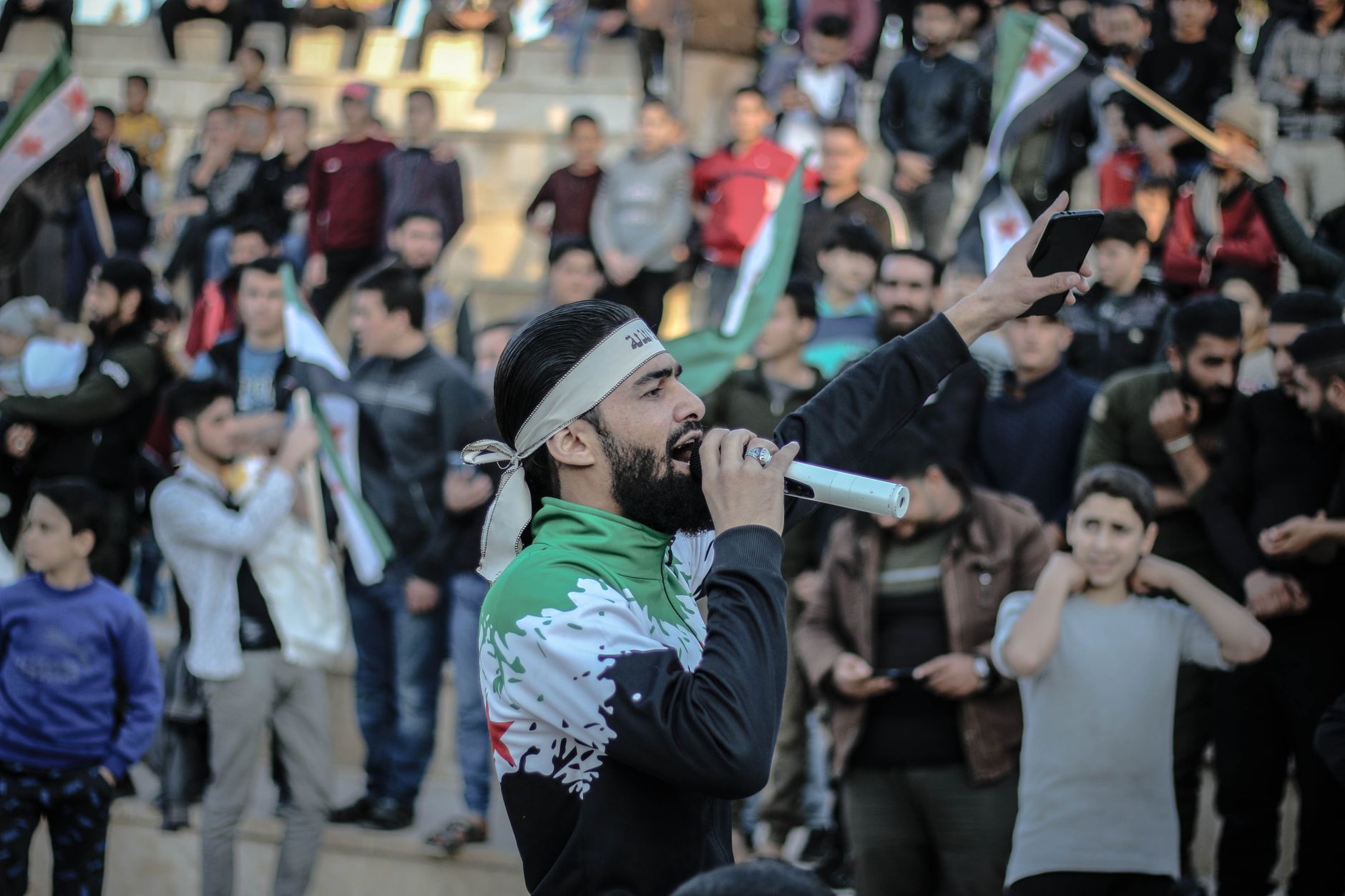
By Tuesday morning, crowds had reassembled at Jantar Mantar, the protest’s original gathering point, with organizers estimating somewhere between 4,000 and 6,000 people present by mid-afternoon. Many wore bandages. Some held handmade signs reading “We don’t die, we multiply” — a direct reference to the cockroach label they’ve now reclaimed as their own.
A senior Delhi Police spokesperson said Tuesday that authorities are “monitoring the situation closely and will take all necessary steps to maintain public order,” adding that yesterday’s injuries to 118 officers prove that police were not the only ones acting aggressively. But protesters dispute that account entirely, and video evidence reviewed by this reporter shows officers initiating contact in at least two separate incidents.
The deeper grievance
So what exactly are they protesting? The demonstrations began eleven days ago over a proposed amendment to a national employment policy that critics say would effectively disqualify large sections of contract workers from accessing federal labor protections. Supporters of the bill argue it streamlines hiring. Opponents call it a quiet gutting of worker rights that affects an estimated 93 million informal laborers across the country.
And the cockroach insult — reportedly uttered by a regional official at a closed-door briefing last week and later leaked to journalists — gave the movement something it didn’t have before: a rallying symbol.
What comes next
Protest organizers said Tuesday they plan to march toward Parliament Street on Wednesday morning, a move that would represent a significant escalation. Whether authorities allow it remains unclear. The central government hasn’t commented publicly since Sunday, when a ministry spokesperson called for “calm and constructive dialogue.”
Still, with injuries mounting on both sides and crowds showing no signs of thinning, the window for that kind of dialogue feels like it’s closing fast. Wednesday’s march could define where this goes.