Kallas Question Time: EU strategy on the Middle East comes under scrutiny
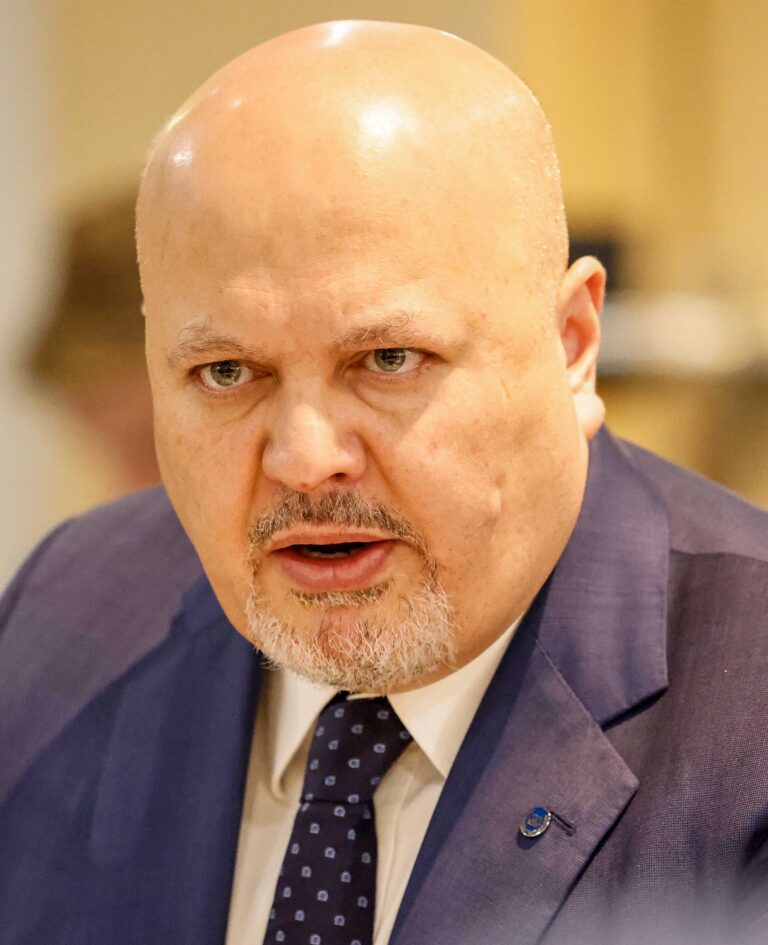
The European Union’s High Representative for Foreign Affairs and Security Policy, Kaja Kallas, faces Members of the European Parliament in Strasbourg this week for the institution’s first Question Time after a long pause, with the Union’s strategy on the cascade of crises in the Middle East at the centre of the exchange. The situations in Iran, Israel and Syria – each at a different point of the geopolitical map but each carrying first-order implications for European security and trade – are all on the agenda.
The return of Question Time
Question Time is the institutional moment when the High Representative comes to the hemicycle for direct, on-the-record exchanges with MEPs across political groups. The format has been used unevenly over the years, sometimes producing genuinely informative debates and sometimes degenerating into set-piece speeches. Its restoration after a pause is welcome to MEPs who have long argued that the Common Foreign and Security Policy needs more, not less, parliamentary scrutiny.
For Kaja Kallas, who took up the post in December 2024, the moment matters. As Estonia’s former Prime Minister and a politician whose foreign-policy instincts have been shaped by proximity to the Russian border, she has brought a distinctive tone to the Union’s external action: clearer on threats, more decisive on sanctions, more inclined to identify the geopolitical reality before negotiating with it.
Iran: the central file
The Iran file dominates the European foreign-policy agenda. The ongoing conflict in the region, the disruption of maritime traffic through the Strait of Hormuz that began affecting global shipping last year, and the implications for energy markets all sit at the intersection of European interests. The Union’s traditional position – a preference for diplomacy supported by economic pressure – has been tested by events to a degree that requires reassessment.
MEPs are expected to press Kallas on the EU’s leverage. Sanctions regimes, the future of any nuclear-related framework, the management of European citizens and dual nationals caught in the conflict, and the trade implications for industries dependent on Gulf energy flows – all sit in the same conversation.
Israel: the difficult conversation
The EU’s relationship with Israel is the most politically charged file in the Union’s external action. Member State positions diverge substantially, and any coherent EU posture requires patient construction across capitals. Kaja Kallas has had to navigate a debate that splits along multiple lines: those who argue the Union must use the leverage it has, those who emphasise the structural importance of the EU-Israel relationship, and those who focus primarily on the humanitarian and legal dimensions of the conflict.
Parliament has, on multiple occasions over recent months, taken positions that have pushed the Council to clarify its own line. The Question Time gives MEPs the opportunity to ask, directly, what the Union’s policy is, and where it is heading.
Syria: the file that does not go away
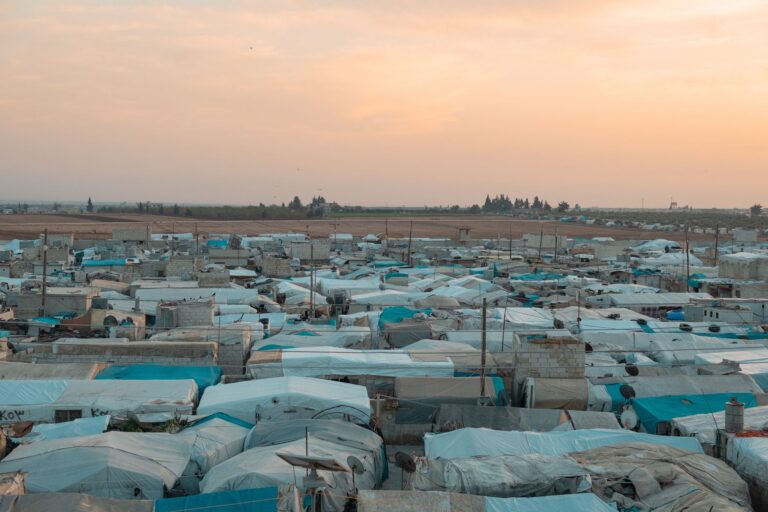
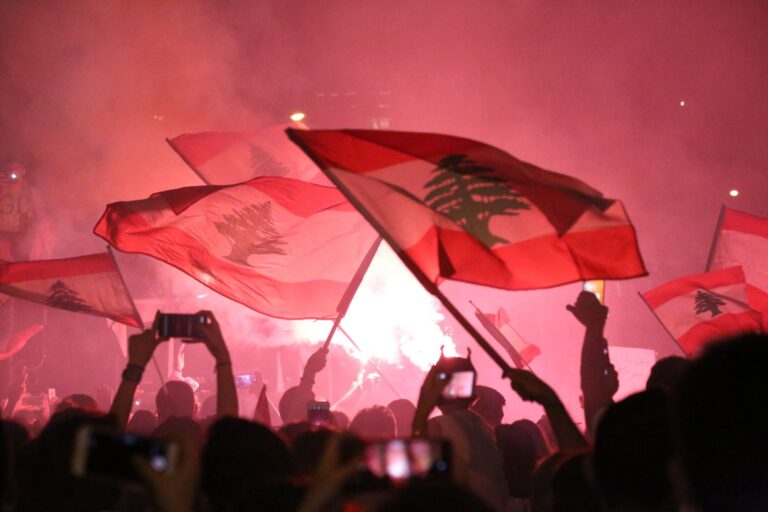
The Syrian file has receded from headlines but remains a structural concern. The post-Assad transition, the management of refugee flows, the question of whether and when return becomes a realistic option for displaced populations, and the security implications of the country’s continued instability all remain on the EU’s plate. The financial commitments the Union has made to neighbouring countries – Jordan, Lebanon, Turkey – sit alongside the long-term geopolitical question of what role the EU plays in the eastern Mediterranean.
The Trade Council in parallel
Kaja Kallas’s Question Time runs in parallel with the meeting of EU trade ministers, whose agenda also includes the impact of the Middle East conflict on trade flows. The two debates sit on the same geopolitical map: foreign policy and trade policy have, in the present moment, become difficult to separate.
That convergence is itself a sign of the times. The classical division between economics and security, which defined EU external action for much of its history, has eroded under the pressure of events. Trade sanctions, investment screening, critical raw materials, export controls and humanitarian aid have all become instruments of the same geopolitical project.
What MEPs will be watching
The Question Time format does not, by design, produce policy decisions. It produces clarity, or its absence. What MEPs will be watching for is the High Representative’s reading of the strategic moment: how she frames the Iranian challenge, how she manages the Israel file, how she sees the trajectory in Syria. The answers will not necessarily make policy. But they will reveal where the policy is heading.
Strasbourg this week, alongside the Cybersec Europe gathering in Brussels and the meeting of trade ministers, captures a Union confronting external challenges across multiple dimensions simultaneously. The Question Time, in that sense, is not just about the Middle East. It is about whether the EU is capable, in 2026, of articulating a coherent strategy in a world where its older assumptions no longer hold.